
Winter and Summer EV Battery Challenges
Ever noticed how your electric vehicle’s range seems to drop sharply when the weather turns freezing cold or sweltering hot? If you own an EV, understanding how extreme temperatures affect your battery and knowing what you can do to protect it are essential. Batteries don’t just power your car—they’re the heart of it, and extreme weather can seriously degrade their performance and lifespan.
Understanding the Impact of Extreme Temperatures on EV Batteries
EV batteries operate best within a moderate temperature range, typically between 20°C and 25°C (68°F to 77°F). When temperatures stray far from this comfort zone, battery chemistry slows down or speeds up in ways that reduce efficiency and durability.
In cold weather, the chemical reactions inside lithium-ion batteries slow, which means the battery can’t deliver energy as effectively. This results in reduced driving range and longer charging times. Cold also increases internal resistance, which stresses the battery and may accelerate degradation over time.
In hot weather, batteries face a different threat: overheating. High temperatures increase chemical reactions, which can cause the battery to degrade faster, reduce its overall capacity, and in extreme cases, lead to thermal runaway—a dangerous condition that EV makers work hard to prevent.
Practical Tips for Protecting Your EV in Winter and Summer
It’s not all doom and gloom. EV owners can take concrete steps to help their batteries handle temperature extremes better and keep the car running smoothly.
Winter Tips
- Preheat your vehicle: Use your car’s remote start or preconditioning feature to warm the battery and cabin before you drive. This uses grid power instead of battery power, preserving range.
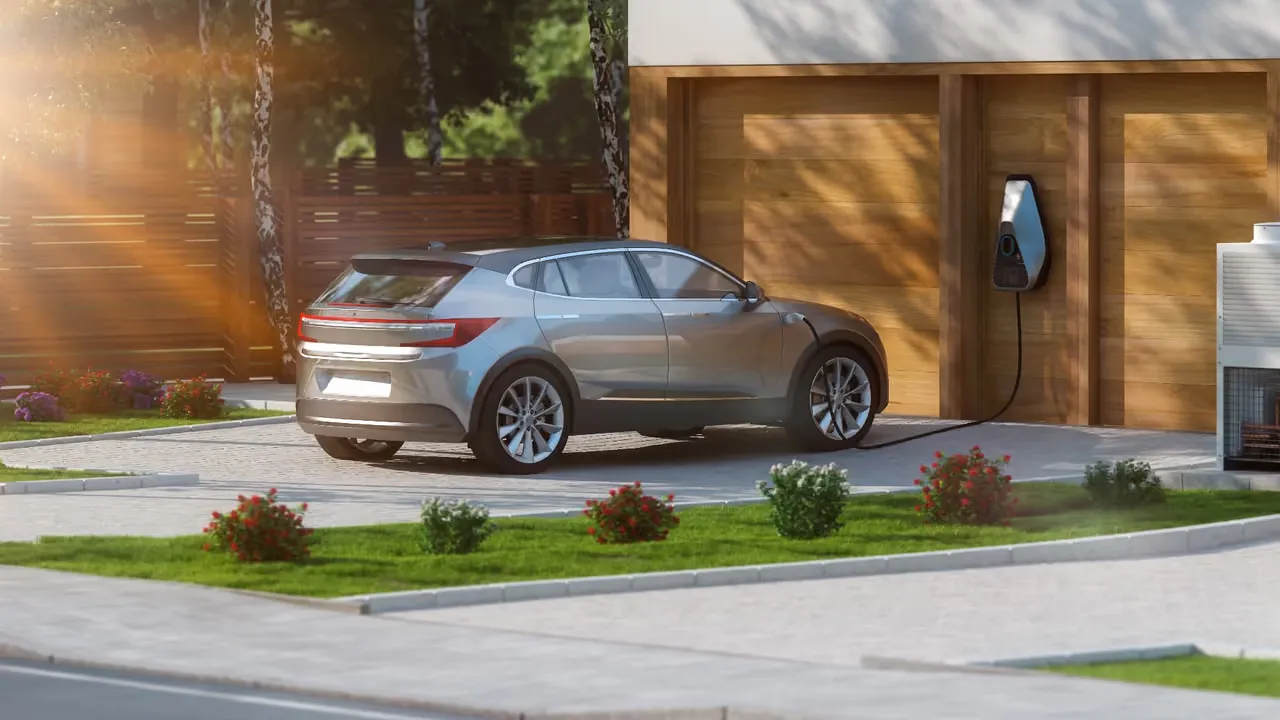
- Park in a garage: Whenever possible, park your EV indoors to shield it from freezing temperatures overnight.
- Limit fast charging: Cold batteries can be damaged by high-speed charging, so opt for slower charging when temperatures drop below freezing.
- Use seat heaters: Heating your seat consumes less power than heating the entire cabin, helping to conserve battery life.
- Keep tires properly inflated: Cold air reduces tire pressure, which increases rolling resistance and energy consumption.
Summer Tips
- Park in the shade: Direct sunlight can quickly raise your car’s internal temperature, putting extra strain on the battery cooling system.
- Pre-cool the cabin: Like preheating in winter, pre-cooling your EV while it’s still plugged in saves battery power.
- Monitor charging times: Avoid charging during the hottest parts of the day to reduce heat buildup.
- Check coolant levels: Some EVs have liquid-cooled battery packs; regular maintenance helps prevent overheating.
- Turn off energy-draining features: Disable unnecessary accessories like heated seats or defrosters when they’re not needed to reduce battery load.
Choosing the Right Accessories to Enhance Battery Life
Investing in a few well-chosen accessories can make a tangible difference in how your EV handles temperature extremes.
- Battery thermal blankets: These insulating wraps help maintain a stable battery temperature, especially in very cold climates.
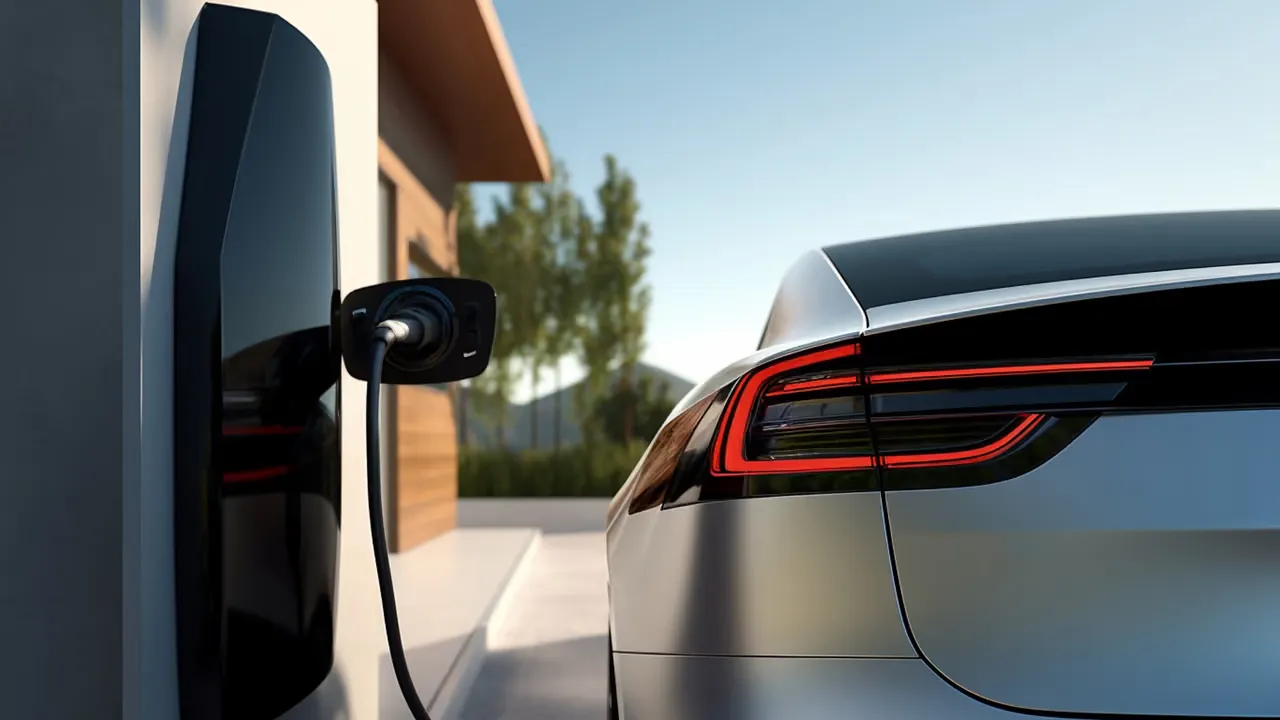
- Smart charging stations: Chargers with temperature sensors can adjust their output to match battery conditions, reducing stress during extreme weather.
- Portable EV heaters: Some owners use low-power heating devices to keep the battery warm when the car is parked, but always check manufacturer recommendations first.
- Windshield sunshades: Simple and effective, sunshades keep the cabin cooler and reduce air conditioning demand during summer.
Planning Your Trips Considering Weather-Related Range Changes
Extreme weather isn’t just a maintenance issue—it affects your driving strategy. EV range can drop by up to 40% in freezing conditions and by 10-20% in very hot weather, so planning is crucial.
- Check weather forecasts: Before heading out, see if you’ll face extreme temperatures and plan accordingly.
- Account for reduced range: Always leave extra buffer in your battery charge to avoid range anxiety.
- Identify charging stops: Map out fast chargers along your route, but remember to consider slower charging options in cold weather.
- Adjust driving style: Use gentle acceleration and maintain steady speeds to maximize range, especially when the battery is cold or hot.
- Use regenerative braking wisely: In winter, regenerative braking may be less effective or behave differently—practice smooth braking to maintain control.