
Smart Charging Makes Cities Greener
What if your electric vehicle could do more than just get you from point A to point B? Imagine it helping to balance the electricity demands of an entire city while maximizing the use of renewable energy. This is the promise of integrating electric vehicles (EVs) with smart grid technology, an innovation rapidly transforming urban power systems.
Understanding Smart Grids and EV Integration
Smart grids are electricity networks that use digital communication technology to monitor and manage the transport of electricity from all generation sources to meet the varying electricity demands of end users. Unlike traditional power grids, smart grids can respond in real-time to changes in electricity supply and demand, improving efficiency and reliability.
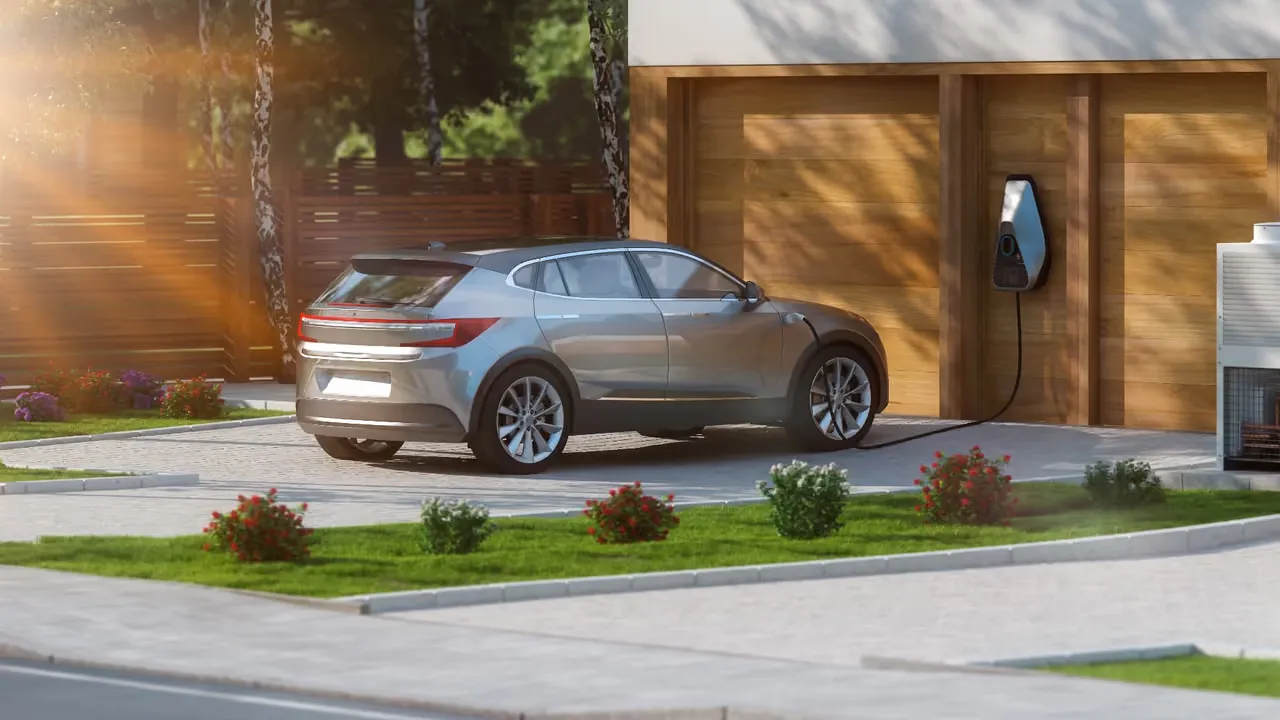
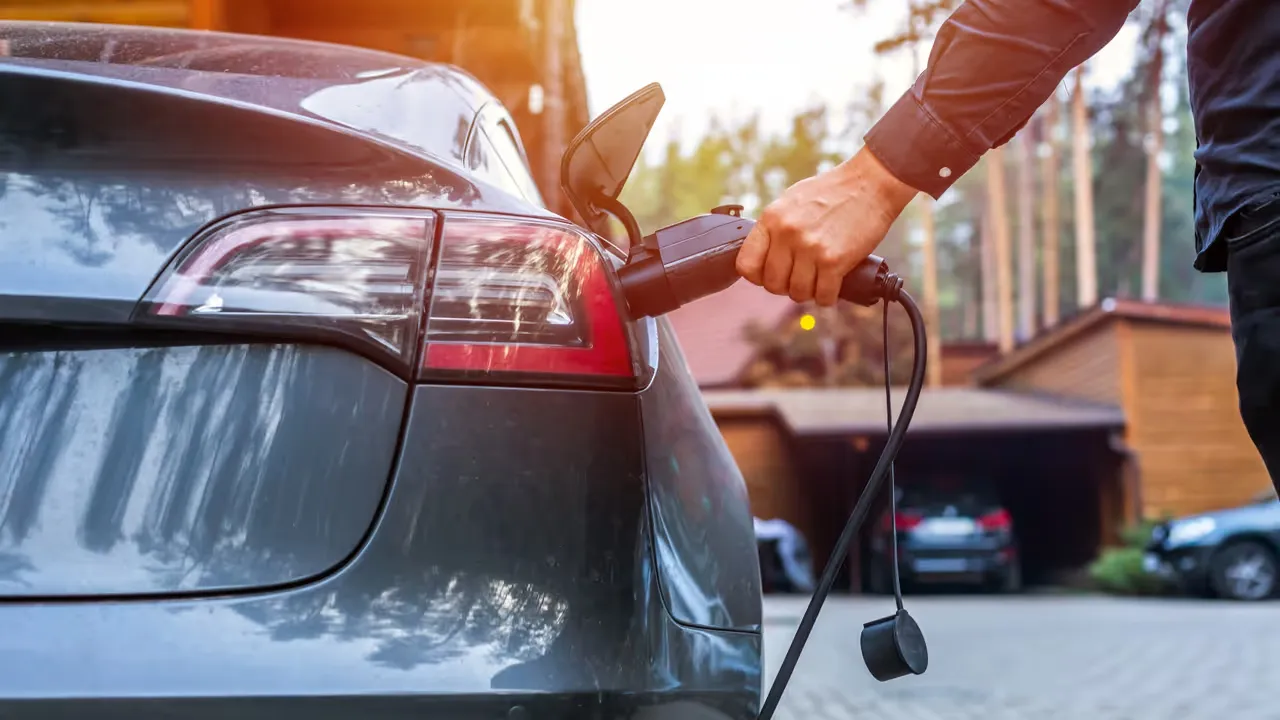
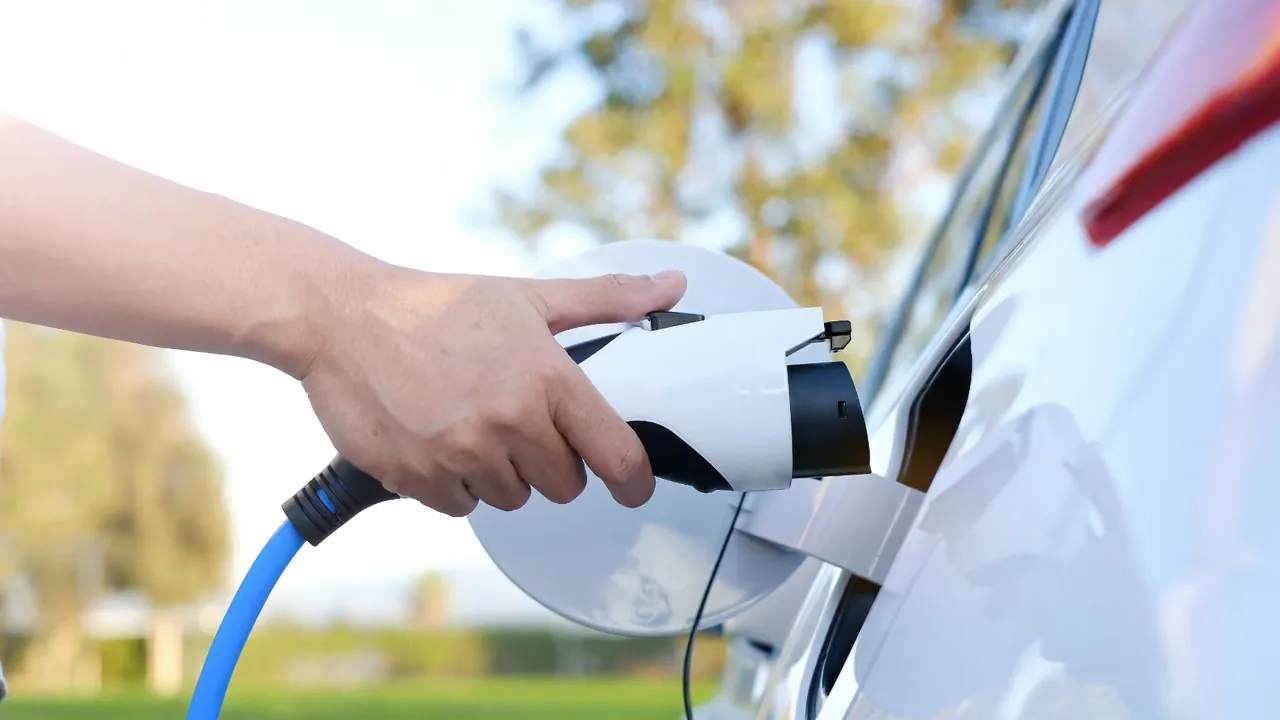
Electric vehicles, when connected to these smart grids, don't just consume electricity—they can also act as flexible energy assets. By coordinating EV charging times and even feeding power back into the grid, EVs become dynamic participants in energy management. This two-way communication between EVs and the grid is often referred to as vehicle-to-grid (V2G) technology.
The Role of EVs in Balancing Renewable Energy Supply
Renewable energy sources like solar and wind are inherently variable; the sun doesn’t always shine and the wind doesn’t always blow. This intermittency poses a challenge for grid stability. Traditional grids rely heavily on fossil fuel-based plants that can ramp production up or down quickly to fill gaps. However, the integration of EVs with smart grids offers a new way to balance supply and demand.
- Load Shifting: EVs can delay charging until renewable energy is abundant. For example, during a sunny afternoon when solar generation peaks, smart grids can signal EVs to start charging, soaking up excess energy that might otherwise go to waste.
- Energy Storage: EV batteries collectively represent a significant amount of stored energy. When demand spikes or renewable output drops, smart grids can draw power from these batteries, discharging electricity back into the grid.
- Grid Frequency Regulation: By responding almost instantaneously to grid signals, EVs can help maintain the delicate balance of grid frequency, a critical factor for preventing blackouts.
These capabilities turn EV fleets into a decentralized energy resource, smoothing out the peaks and troughs of renewable energy production and consumption.
Case Studies Urban Areas Leveraging EV-Grid Synergy
Several cities have moved beyond theory and are actively demonstrating the benefits of EV-smart grid integration.
- Oslo, Norway: Often hailed as the EV capital of the world, Oslo has integrated smart charging infrastructure that prioritizes renewable energy use. The city’s grid operators coordinate with EV owners to schedule charging during periods of high hydropower availability, reducing reliance on fossil fuels.
- Los Angeles, USA: Los Angeles is piloting V2G projects where electric buses and private EVs feed stored energy back into the grid during peak demand times. This reduces strain on the grid and helps incorporate a larger share of solar and wind power.
- Tokyo, Japan: Tokyo Electric Power Company has launched programs encouraging EV owners to participate in demand response. By integrating smart meters and EV chargers, the city manages energy loads more effectively, particularly during the summer months when air conditioning spikes electricity use.
Challenges and Future Outlook for EVs in Smart Grid Ecosystems
Despite the clear benefits, integrating EVs with smart grids faces several hurdles.
- Infrastructure Investment: Upgrading grids to support two-way communication with EVs requires significant investment in hardware and software. Charging stations must be equipped with smart meters and communication capabilities, which is still unevenly rolled out.
- Battery Degradation Concerns: Frequent charging and discharging cycles necessary for V2G can accelerate battery wear. Consumers worry about the impact on their EV’s lifespan, which affects willingness to participate.
- Regulatory and Market Barriers: Energy markets and regulations are still catching up. Policies need to incentivize EV owners and utilities to invest in and participate in smart grid programs.
- Data Privacy and Security: The digital communication between EVs and grids must be secure to prevent hacking and misuse of data.
Looking ahead, advances in battery technology, increased renewable energy adoption, and evolving regulatory frameworks will likely accelerate the integration of EVs with smart grids. More sophisticated algorithms and AI-driven energy management systems will enhance the coordination between EVs and urban power systems. As cities continue to electrify transportation and decarbonize their grids, the synergy between EVs and smart grids will play a critical role in creating resilient, sustainable energy futures.