
When Blackouts Strike EVs Save the Day
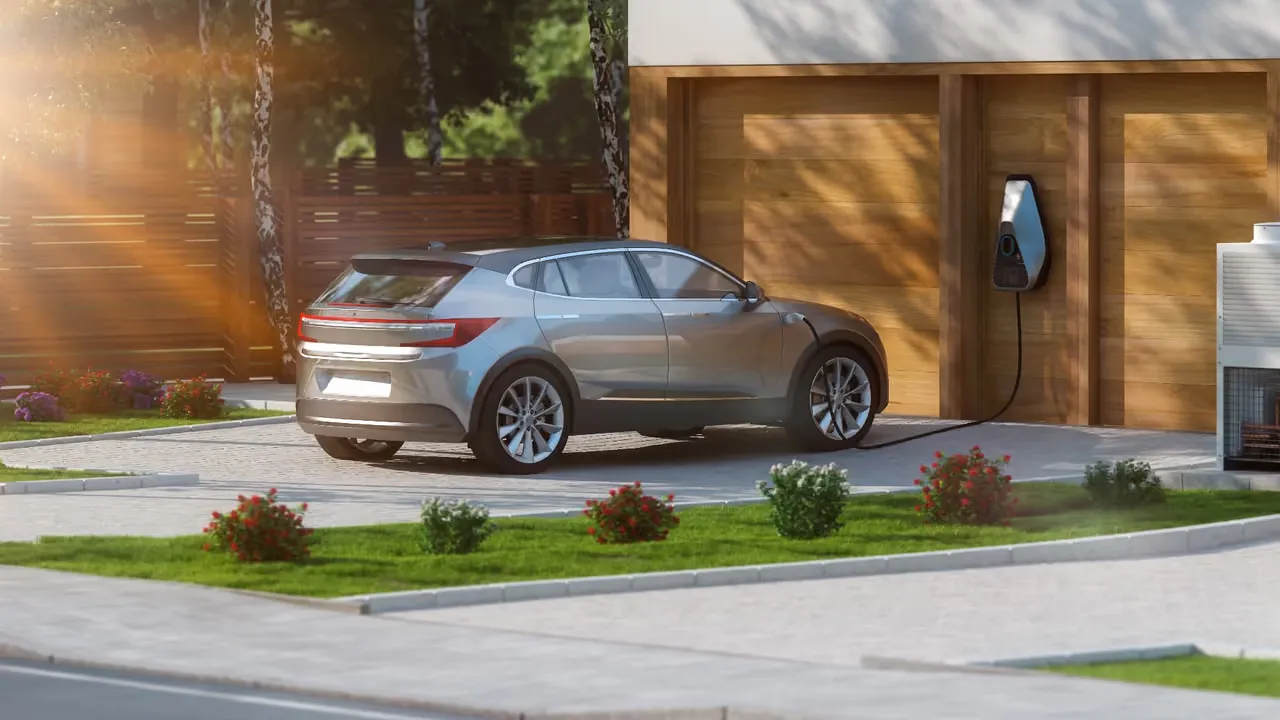
Imagine a fierce storm has knocked out power for miles around. Darkness settles over neighborhoods, communication lines falter, and refrigerators stop humming. In the heart of this blackout, a quiet revolution is humming to life—cars parked in driveways become lifelines, not just transport. Electric vehicles (EVs), often celebrated for their eco-friendly credentials, are quietly proving themselves as mobile power plants, ready to fuel homes and emergency shelters when the grid fails.
Electric Vehicles as Backup Power Sources
EVs come equipped with large batteries designed to power the vehicle for hundreds of miles. But these batteries hold more potential than just driving range—they can double as emergency power banks. When disaster strikes, the stored electricity in an EV’s battery can be redirected to run essential appliances, charge devices, or even power an entire home for a limited time.
This concept, known as vehicle-to-home (V2H) power, flips the script on traditional emergency preparedness. Instead of relying solely on generators or the uncertain grid, homeowners with EVs can tap into a reliable, rechargeable energy source parked right outside their door.
How V2H Works
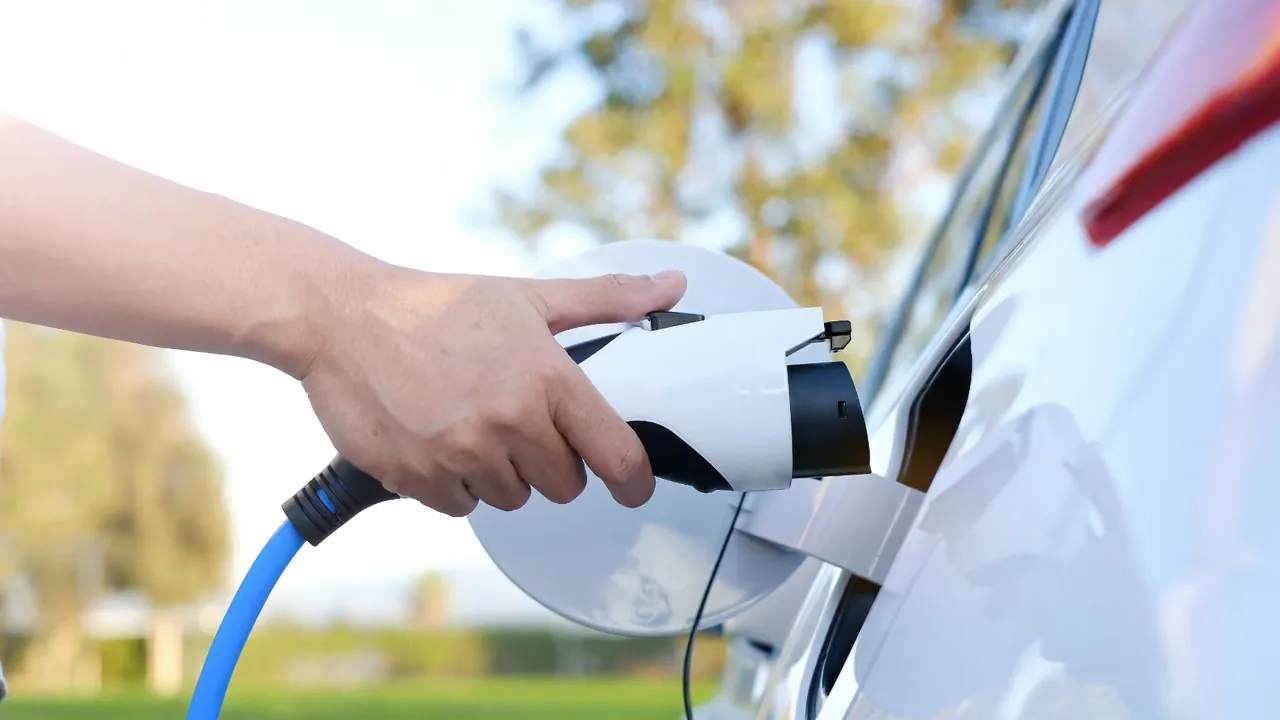
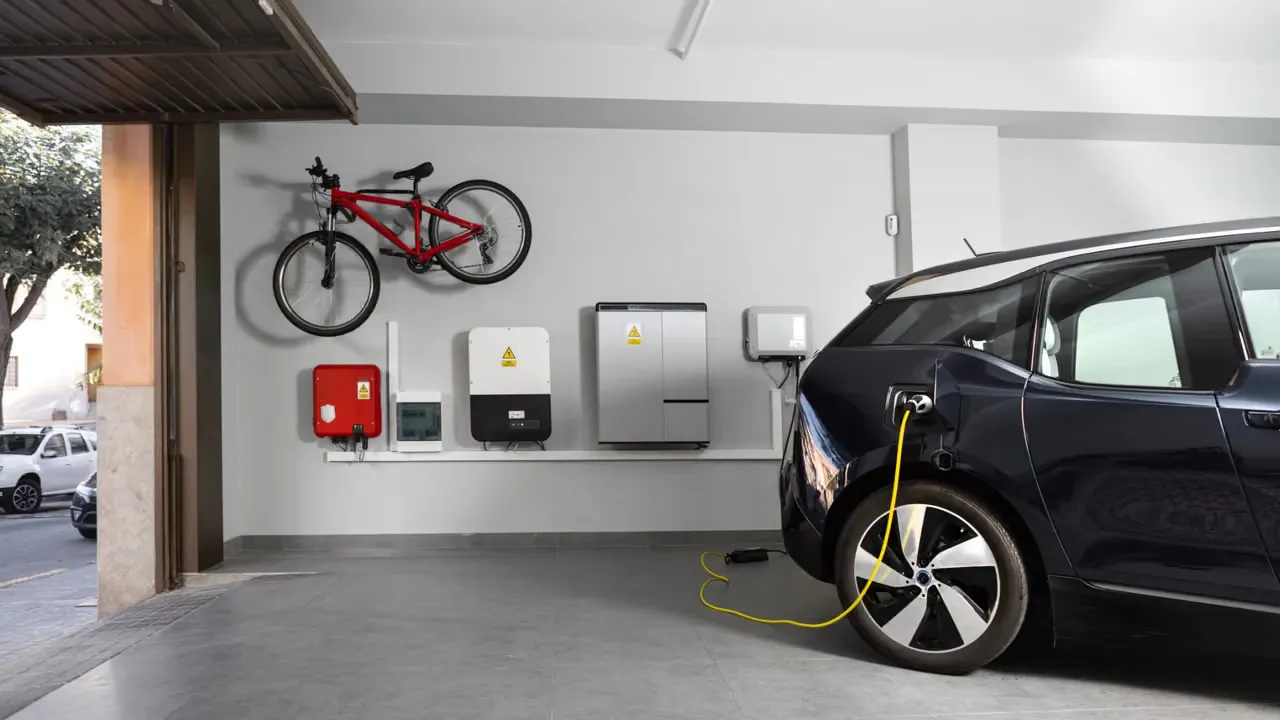
- Bidirectional Charging: EVs must have bidirectional chargers that allow electricity to flow both into the battery and back out to the home.
- Inverter Systems: To convert the DC electricity stored in the EV’s battery to usable AC power for household devices, an inverter is necessary.
- Smart Energy Management: Systems that prioritize essential loads and manage battery capacity help maximize the time and utility of the backup power.
Real-World Examples Powering Homes and Shelters
This isn’t just a futuristic idea. Several real-world instances demonstrate EVs stepping up when the lights go out.
Japan’s 2011 Tsunami Aftermath
Following the devastating earthquake and tsunami in 2011, Nissan made headlines when its Leaf EVs powered local shelters. The Leaf’s battery was used to provide electricity for lighting, communication devices, and medical equipment, underscoring how EVs can be vital in disaster scenarios.
California Wildfires and Power Outages
As wildfires prompted rolling blackouts, some Californians with EVs found relief in their vehicles’ batteries. Tesla’s bidirectional charging capabilities allowed owners to run essential household appliances during outages, offering a glimpse into how EVs can buffer against increasingly frequent climate disasters.
Emergency Shelters Embracing EV Power
In certain regions prone to hurricanes or ice storms, emergency shelters are beginning to integrate EV charging stations with V2H setups. This not only keeps the vehicles charged but also ensures that, in case of a grid failure, the stored energy can keep the shelter operational for critical hours.
Technical Challenges and Requirements
Despite the promise, the technology isn’t without its hurdles.
- Hardware Compatibility: Not all EVs or charging stations support bidirectional energy flow. Retrofitting existing infrastructure can be costly and complex.
- Battery Degradation Concerns: Frequent cycling of the battery for home power can accelerate wear, potentially shortening the EV’s lifespan.
- Power Capacity Limits: The amount of energy an EV can provide is finite, and heavy home loads or extended outages may exceed available backup power.
- Regulatory and Safety Standards: Standards for vehicle-to-grid (V2G) and V2H systems vary widely, complicating widespread adoption.
Despite these challenges, manufacturers and tech companies are actively working to overcome barriers. Tesla’s Powerwall and similar home battery systems are already popular, but integrating EVs directly into home energy networks could offer more flexible and mobile solutions.
Future Possibilities for Disaster Resilience
Looking ahead, the role of EVs in disaster preparedness could expand dramatically.
- Community Microgrids: EVs could collectively feed energy into local microgrids, stabilizing neighborhood power during outages.
- Emergency Response Fleets: Municipalities might deploy EVs not just for transport but as mobile power stations for field hospitals, communication hubs, and relief centers.
- Integrated Renewable Systems: Coupling EV batteries with solar panels and wind turbines could create self-sustaining energy ecosystems for homes and shelters.
- Policy Incentives: Governments could incentivize V2H-compatible EVs and infrastructure, accelerating adoption and disaster readiness.
The idea of a car as more than just a vehicle is transforming. In a world where climate disasters and grid failures seem increasingly common, the EV in your driveway might just be your next emergency generator, ready to light up a darkened home or power a critical device when it matters most.