
Vehicle to Grid Turns Cars Into Power Banks
What if your electric vehicle could do more than just get you from point A to point B? What if it could also help stabilize the power grid and put some money back in your pocket? Vehicle-to-grid (V2G) technology is turning that idea into reality, transforming electric vehicles (EVs) from simple consumers of electricity into active participants in energy management.
Understanding Vehicle-to-Grid (V2G) Technology What It Is and How It Works
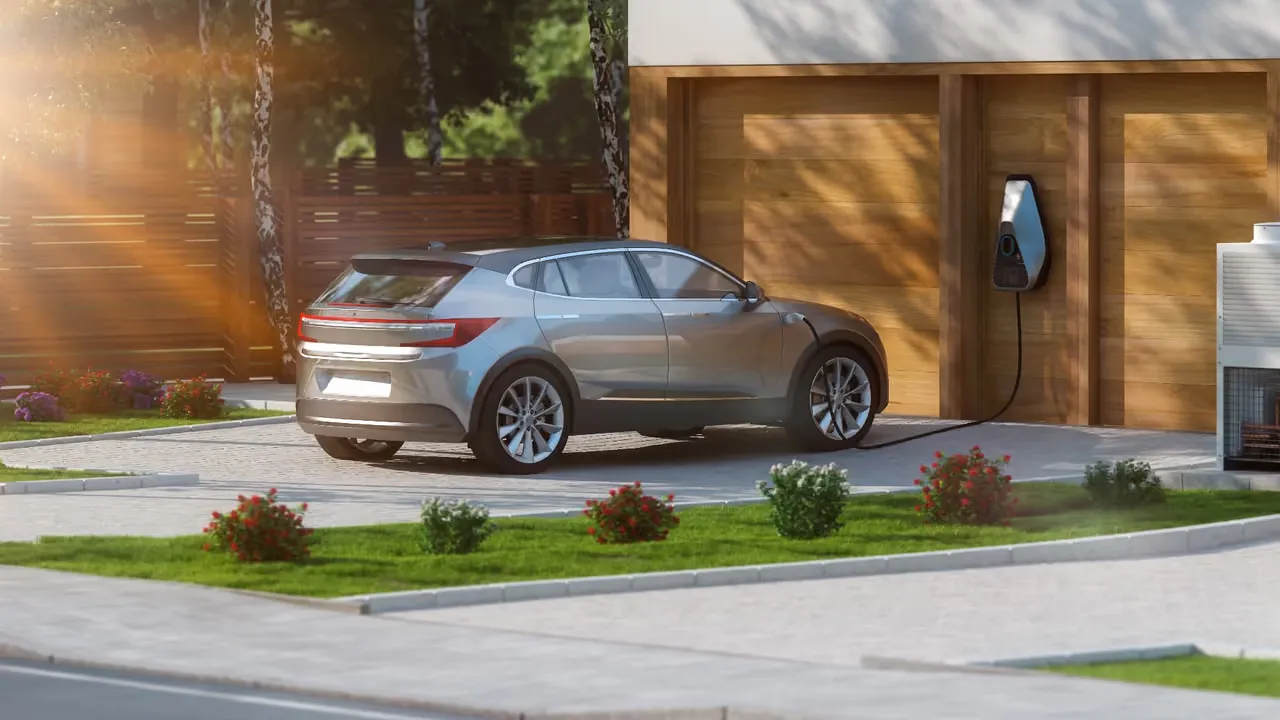
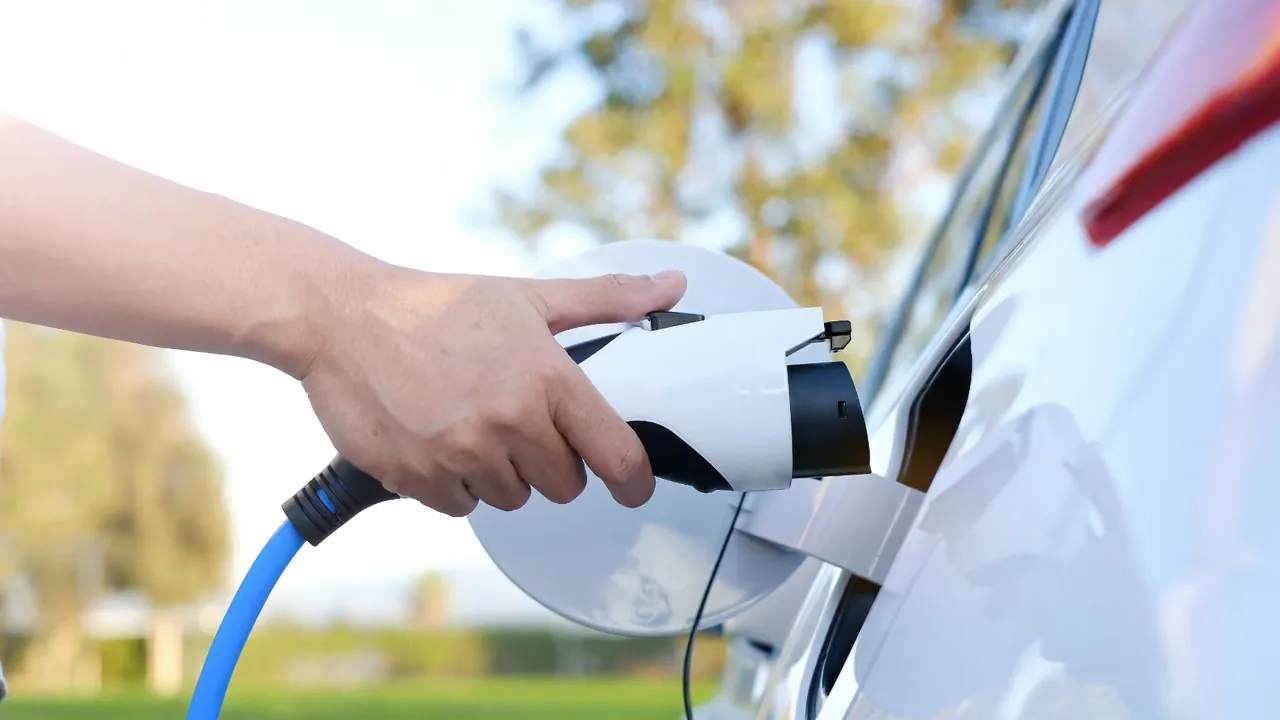
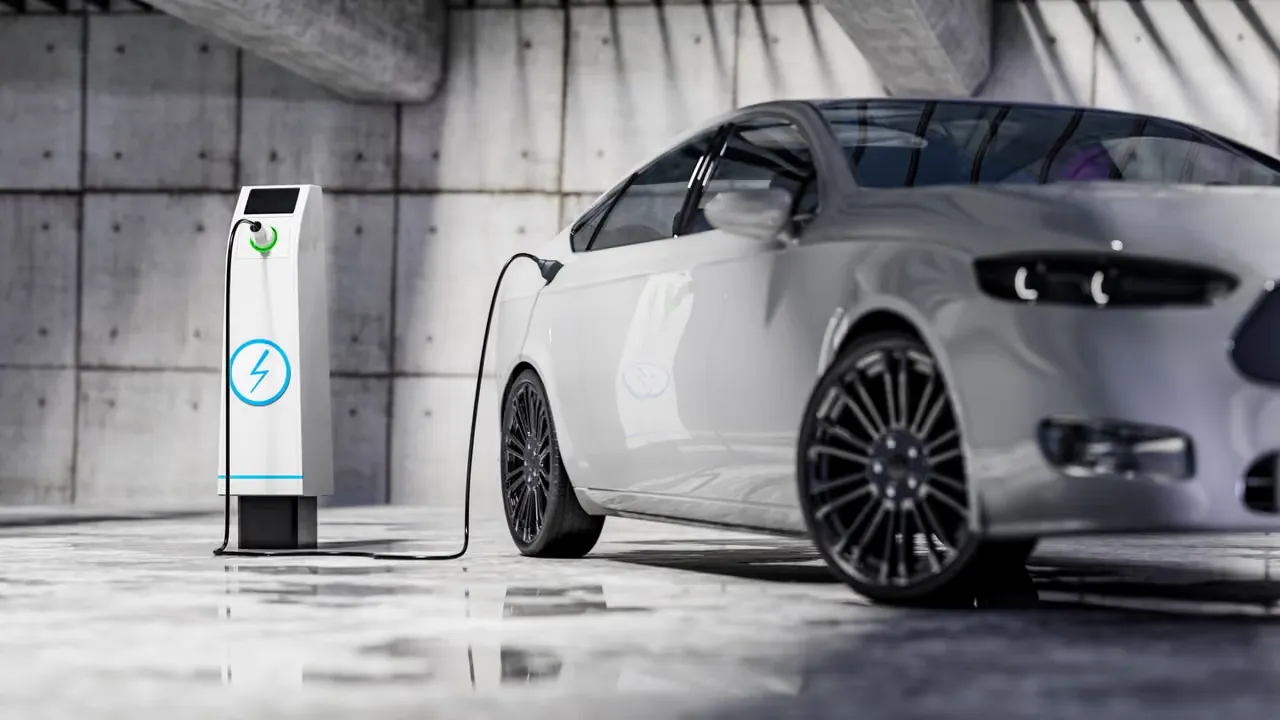
At its core, V2G technology enables two-way electricity flow between an electric vehicle and the power grid. Instead of just drawing power to charge the battery, a V2G-capable EV can send electricity back to the grid when needed. This requires special hardware and software integration, including bidirectional chargers that allow energy to flow both ways.
Imagine your EV’s battery as a mobile energy storage unit. When the grid experiences high demand or instability, your car can discharge some of its stored energy to help balance supply and demand. Conversely, when there’s excess renewable energy, such as solar or wind, your EV can absorb that surplus by charging up. This constant dialogue between vehicle and grid is managed by smart systems that optimize when and how much energy moves, based on real-time grid conditions, electricity prices, and your driving needs.
Benefits for EV Owners Earning Potential and Energy Control
For drivers, the appeal of V2G goes beyond just being eco-friendly. It offers tangible financial incentives. Utilities and grid operators often pay for services that help maintain grid stability, including demand response and frequency regulation. By participating in V2G programs, EV owners can tap into these revenue streams.
- Income from Energy Services: When your vehicle feeds electricity back to the grid during peak hours, you can earn payments or credits on your electricity bill. The rates vary depending on the local energy market and participation programs but can be a meaningful supplement over time.
- Enhanced Energy Management: V2G systems often come with apps or dashboards that allow you to control charging schedules, set minimum battery levels for driving, and monitor earnings. This control means your vehicle's battery won’t be depleted unexpectedly.
- Backup Power Capability: Some V2G-enabled vehicles can act as backup power sources during outages, powering your home or essential devices. This feature adds a layer of resilience, especially in areas prone to blackouts or natural disasters.
In short, V2G transforms the EV from a passive appliance into an active energy asset.
Impact on the Power Grid Enhancing Stability and Renewable Energy Use
The power grid faces growing challenges as more renewable energy sources come online. Solar and wind power are intermittent by nature, creating fluctuations that traditional grids struggle to handle. V2G technology offers a flexible, decentralized solution.
- Grid Stability: By injecting stored energy during peak demand or absorbing excess supply, EVs help smooth out the peaks and troughs that can destabilize the grid. This reduces the need for fossil-fueled peaker plants, which are expensive and polluting.
- Facilitating Renewable Integration: With thousands of EVs acting as distributed energy resources, the grid can better accommodate variable renewable generation. V2G enables a dynamic energy balance, promoting cleaner energy use and reducing waste.
- Reduced Infrastructure Costs: Instead of investing heavily in stationary battery storage systems, utilities can leverage the existing fleet of EVs to meet demand fluctuations. This approach spreads costs and enhances grid resilience.
The broader adoption of V2G could reshape how electricity is consumed and managed, leading to a smarter, greener energy ecosystem.
Challenges and Future Prospects of V2G Adoption
Despite its promise, V2G faces hurdles that slow widespread implementation.
- Technical Barriers: Not all EVs and charging stations support bidirectional energy flow. Upgrading existing infrastructure requires investment and standardization across manufacturers and utilities.
- Battery Degradation Concerns: Frequent cycling of the battery to send power back to the grid could potentially shorten battery life. However, ongoing research suggests that controlled V2G use might have minimal impact or even extend battery health by keeping charge levels balanced.
- Regulatory and Market Frameworks: Effective V2G programs require clear policies, fair compensation models, and coordinated grid management. Many regions are still developing these frameworks.
- Consumer Awareness and Participation: Drivers need to understand how V2G works and trust the technology to participate actively. Education and user-friendly tools are essential for adoption.
Looking ahead, automakers and energy companies are investing heavily in V2G research and pilot projects. Advances in smart grid technology, vehicle software, and charging infrastructure will gradually remove barriers. As EV adoption grows, so will the opportunities for drivers to leverage their vehicles as valuable energy partners.