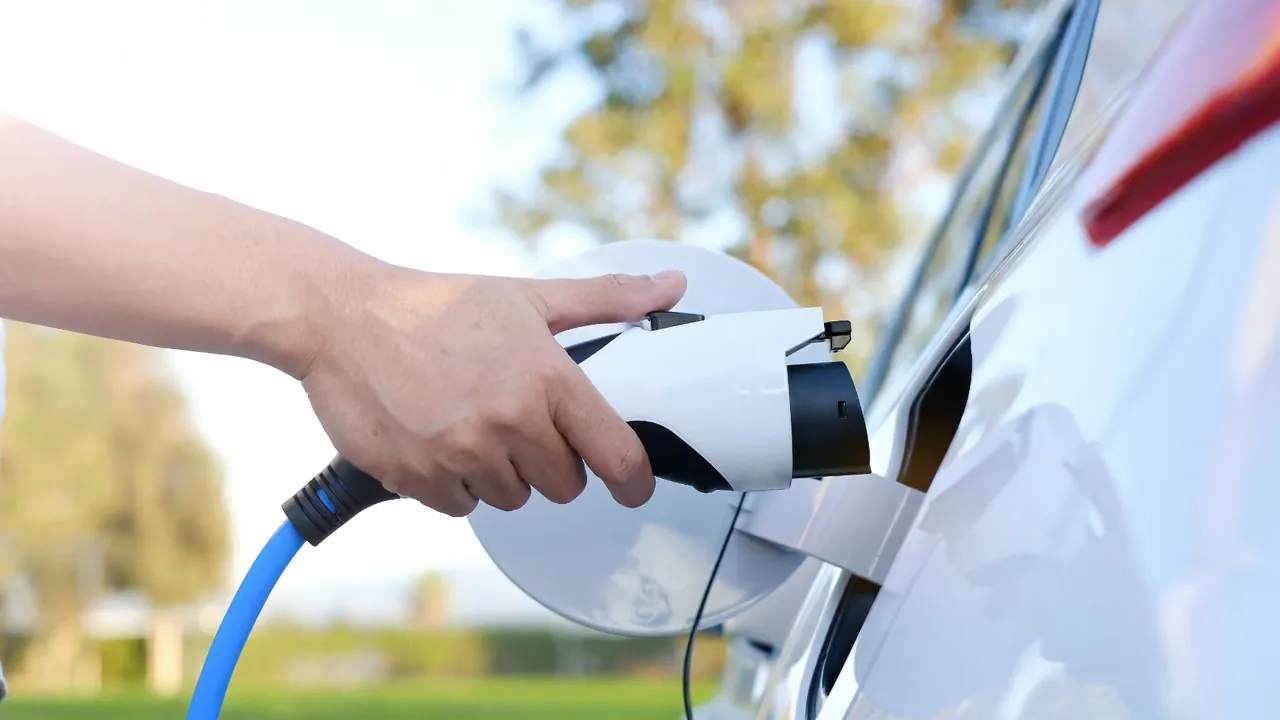


Unlocking the Potential of Energy Storage Systems
Energy Storage Systems: Unlocking the Potential of Flow Batteries, Enhancing Energy Storage Efficiency, and Harnessing the Power of Hydrogen Storage
As the demand for renewable energy sources continues to grow, the need for efficient and reliable energy storage systems becomes increasingly crucial. Energy storage systems play a vital role in balancing the intermittent nature of renewable energy generation, enabling a more stable and resilient power grid. In this article, we will explore the potential of flow batteries, the importance of energy storage efficiency, and the promising advancements in hydrogen storage.
Flow Batteries: The Future of Energy Storage
Flow batteries are emerging as a promising solution for large-scale energy storage. Unlike traditional batteries, flow batteries store energy in liquid electrolytes contained in external tanks. This unique design allows for independent scaling of power and energy capacity, making flow batteries highly flexible and suitable for a wide range of applications.
One of the key advantages of flow batteries is their ability to decouple power and energy capacity. By adjusting the size of the electrolyte tanks, flow batteries can be customized to meet specific power or energy requirements. This flexibility makes flow batteries an ideal choice for applications that require long-duration energy storage, such as grid-level integration of renewable energy sources.
Furthermore, flow batteries offer a longer lifespan compared to conventional batteries. Since the energy storage occurs in liquid electrolytes, flow batteries do not suffer from the same degradation issues as solid-state batteries. This extended lifespan reduces the overall cost of ownership and makes flow batteries a cost-effective solution for long-term energy storage needs.
Enhancing Energy Storage Efficiency
Energy storage efficiency is a critical factor in evaluating the performance and economic viability of energy storage systems. It refers to the ratio of the energy output to the energy input during the charging and discharging processes. Higher energy storage efficiency translates to reduced energy losses and improved overall system performance.
Flow batteries have shown great potential in achieving high energy storage efficiency. Unlike traditional batteries, flow batteries can maintain a constant voltage throughout the discharge process, resulting in a more efficient energy conversion. Additionally, the use of liquid electrolytes allows for better heat management, minimizing energy losses due to thermal dissipation.
Advancements in battery chemistry and system design have also contributed to improving energy storage efficiency. Researchers are continuously exploring new materials and optimizing the flow battery’s internal components to enhance energy conversion rates and reduce internal resistance. These efforts are driving the industry towards more efficient and sustainable energy storage solutions.
Harnessing the Power of Hydrogen Storage
Hydrogen storage is another promising avenue for energy storage systems. Hydrogen, as a clean and abundant energy carrier, has the potential to play a significant role in the transition to a carbon-neutral future. By converting excess renewable energy into hydrogen, we can store and utilize it when renewable sources are not readily available.
Hydrogen storage can be achieved through various methods, including compression, liquefaction, and solid-state storage. Each method has its advantages and challenges, but recent advancements in materials science and engineering have paved the way for more efficient and cost-effective hydrogen storage solutions.
One of the most promising approaches is the use of solid-state hydrogen storage materials, such as metal hydrides and carbon-based materials. These materials can absorb and release hydrogen gas under controlled conditions, providing a safe and compact storage solution. Additionally, advancements in hydrogen fuel cell technology enable the efficient conversion of stored hydrogen back into electricity when needed.
Conclusion
Energy storage systems are essential for the widespread adoption of renewable energy sources and the creation of a more sustainable future. Flow batteries offer a flexible and long-lasting solution for large-scale energy storage, while advancements in energy storage efficiency drive the industry towards more efficient and cost-effective systems. Furthermore, hydrogen storage holds great promise for storing excess renewable energy and enabling its utilization when needed. By harnessing the potential of flow batteries, enhancing energy storage efficiency, and exploring the power of hydrogen storage, we can unlock the full potential of renewable energy and create a more resilient and sustainable energy infrastructure.