
Top Tips to Extend EV Battery Life
Ever wonder why your electric vehicle’s battery seems to lose range faster than you expected? While EVs are famously low-maintenance compared to gas cars, their batteries need some attention if you want them to last. Battery degradation is real, but everyday habits can slow it down significantly. Here’s how you can keep your EV’s battery healthier, longer.
Understanding Battery Degradation What Really Affects Your EV's Battery Life
At the heart of every EV is a lithium-ion battery, and like all batteries, it naturally degrades over time. But not all degradation happens equally or quickly. The main culprits are:
- Charge cycles: Every time you charge and discharge your battery, it goes through a cycle. More cycles mean more wear.
- State of charge extremes: Keeping the battery at very high (close to 100%) or very low (close to 0%) charge levels stresses the cells.
- High temperatures: Heat accelerates chemical aging in the battery.
- Fast charging: Frequent use of rapid DC fast chargers generates more heat and can stress the battery more than slower charging.
Understanding these factors helps in making practical choices for charging and driving your EV.
Smart Charging Practices When and How to Charge Your EV for Longevity
Many EV owners think charging to 100% daily is best, but that’s not the case for battery health. Most EV manufacturers recommend charging up to around 80-90% for everyday use.
- Avoid full charges unless you really need the range. Charging to 100% regularly keeps the battery at a high voltage, which accelerates degradation. Save full charges for long trips.
- Don’t let your battery run flat. Try to plug in before your battery drops below 20%. Deep discharges strain the battery chemistry.
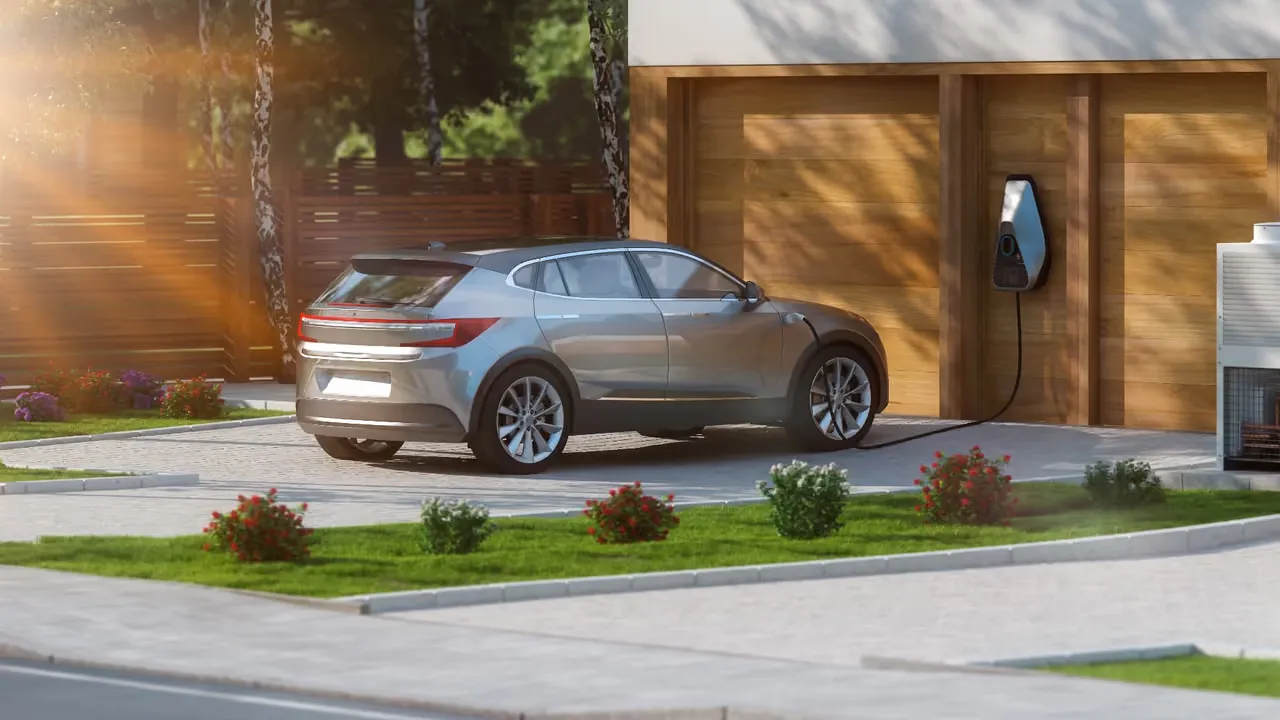
- Prefer overnight charging at home. Charging at a slower rate (Level 2 or lower) reduces heat and stress. Set your EV to delay charging until late at night to take advantage of off-peak electricity rates if available.
- Limit fast charging sessions. DC fast chargers are great for emergencies or long road trips, but frequent use increases battery wear due to rapid heat build-up.
Many EVs let you set charging limits or schedules via their apps—use these features to keep your battery within optimal charge ranges and avoid unnecessary stress.
Driving Habits That Preserve Battery Health Speed Acceleration and Temperature
Your driving style matters more than you might think. Aggressive acceleration and high speeds demand more power, causing your battery to work harder and heat up.
- Accelerate smoothly. Sudden, hard acceleration pulls large currents from the battery, increasing heat and degradation.
- Maintain moderate speeds. High-speed driving consumes more energy and generates heat, both from the battery and the motor.
- Plan routes to avoid extreme temperatures. Batteries dislike extreme cold and heat. Using pre-conditioning features while your EV is still plugged in can help bring the battery to an ideal temperature before you start driving.
Also, regenerative braking is your friend—it recovers energy and reduces brake wear, but try to use it smoothly to avoid unnecessary battery strain.
Maintenance Tips Keeping Your EV and Its Battery in Top Shape
Beyond how you drive and charge, some simple maintenance habits can help your EV’s battery last longer:
- Keep your EV software updated. Manufacturers often release battery management system improvements that optimize charging and longevity.
- Park in shade or a garage. Avoid leaving your EV in direct sunlight or freezing conditions for extended periods.
- Check tire pressures regularly. Properly inflated tires reduce rolling resistance, saving battery power.
- Monitor your battery health. Some EVs provide battery health indicators—keep an eye on them and consult your dealer if you notice unusual drops in capacity.
Stick to your vehicle’s recommended maintenance schedule, even if it seems minimal compared to gasoline cars. Healthy electronics and cooling systems help keep the battery running cool and efficient.