
Three Innovations Boosting Rural EV Use
Can electric vehicles truly transform transportation in rural areas where distances stretch for miles and charging stations are few and far between?
Assessing the Current Barriers to EV Adoption in Rural Areas
Rural drivers face a unique set of challenges that have slowed the adoption of electric vehicles. Unlike city dwellers who can rely on a dense network of chargers and short daily commutes, rural residents often travel longer distances for work, school, and errands. This raises “range anxiety” to a whole new level. The fear of running out of battery power far from a charging point is a real concern.
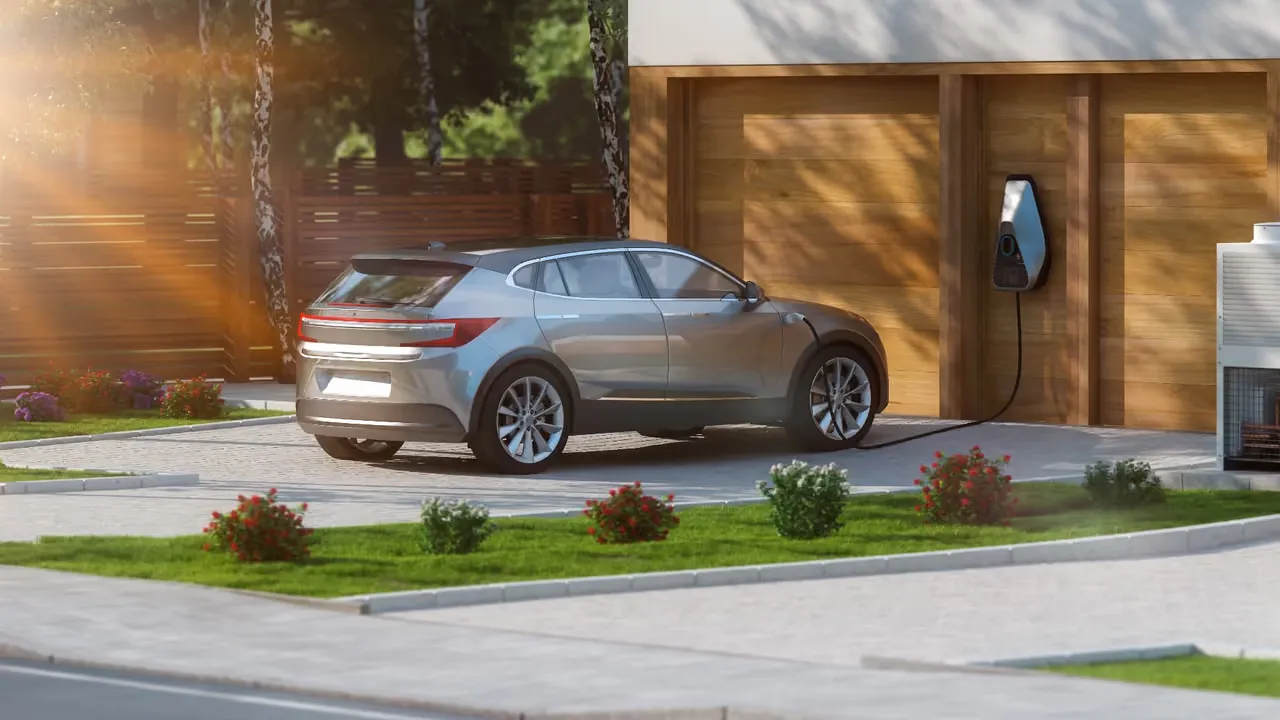
Additionally, the infrastructure simply isn’t there yet. Most public charging stations cluster in urban and suburban locations, leaving vast rural expanses underserved. Home charging is an option for many, but not everyone has access to a garage or even a reliable home electrical system capable of supporting EV chargers.
Then there’s the matter of harsher driving conditions. Rural roads can be rougher, less maintained, and sometimes unpaved. Cold winters and extreme weather can sap battery efficiency, shortening the driving range even further. For farmers, ranchers, and others who rely on trucks and heavy-duty vehicles, the current crop of EVs often doesn’t meet their power and durability needs.
Innovations in Charging Infrastructure Tailored for Rural Communities
Addressing the infrastructure gap is crucial, and recent innovations suggest it’s possible to build a charging network that works for rural drivers. Mobile charging units, for example, can provide on-demand power in remote areas. These units can be transported to community centers, farms, or popular gathering spots during peak usage times.
Another promising development is solar-powered charging stations that can operate off-grid, reducing the need for expensive utility upgrades. These stations can be placed strategically along highways and rural routes to create reliable “charging corridors.”
Companies are also experimenting with ultra-fast chargers that cut charging time down significantly. For rural drivers, this means less waiting and more confidence that they can complete long trips without hassle.
Community-based solutions are gaining traction as well. Local cooperatives and municipalities can pool resources to install shared charging infrastructure, making EV ownership more accessible without the need for every household to have a private charger.
How EVs Can Improve Economic and Environmental Outcomes in Rural Regions
Transitioning to electric vehicles could have a profound impact on rural economies. Fuel costs are a significant expense for many rural households and businesses. EVs, with their lower operating costs, help keep more money local instead of sending it to oil companies.
Electric vehicles also require less maintenance, which means fewer trips to distant repair shops and lower overall expenses for owners. This is especially important in rural areas where automotive services can be scarce and far away.
Beyond economics, EVs offer environmental benefits that resonate deeply in rural communities tied to the land. Reduced emissions mean cleaner air and water, supporting agriculture and outdoor recreation industries. Healthier ecosystems also benefit local wildlife and the quality of life for residents.
Farmers and ranchers can leverage EV technology in new ways, from electric tractors and equipment to solar-powered EV charging. This shift can promote energy independence and resilience, critical factors in rural sustainability.
Policy and Community Initiatives Supporting Rural EV Integration
Government policies play a pivotal role in enabling rural EV adoption. Incentives such as tax credits, rebates, and grants targeted specifically at rural residents and businesses can lower upfront costs that often deter EV purchases.
Infrastructure funding aimed at expanding charging networks in underserved areas is gaining momentum. Federal and state programs are increasingly recognizing that a one-size-fits-all approach won’t work and are adjusting priorities accordingly.
Community engagement is another key factor. Educational campaigns that address misconceptions about EV capabilities in rural contexts help build trust and enthusiasm. Local leaders advocating for EV-friendly zoning, building codes, and public investments can accelerate progress.
Partnerships between utilities, automakers, and rural organizations can foster tailored solutions, from pilot programs to innovative financing models. These collaborations ensure that rural voices are heard and needs met in the transition to cleaner transportation.
- Example: A Midwestern cooperative recently installed a series of solar-powered charging stations along rural highways, drastically improving accessibility.
- Example: Some states offer enhanced rebates for rural EV buyers, acknowledging the unique hurdles they face.