

TheFutureofEVChargingIntegration
The Future of EV Charging: Integrating Vehicle-to-Grid
Electric vehicles (EVs) have been gaining popularity thanks to their eco-friendly nature and cost-effective operation. However, one of the main challenges with EVs has been the availability and efficiency of charging stations. To tackle this issue, the concept of EV charging platform integration has emerged, offering a promising solution for the future of sustainable transportation.
Charging Platform Vehicle-to-Grid Integration
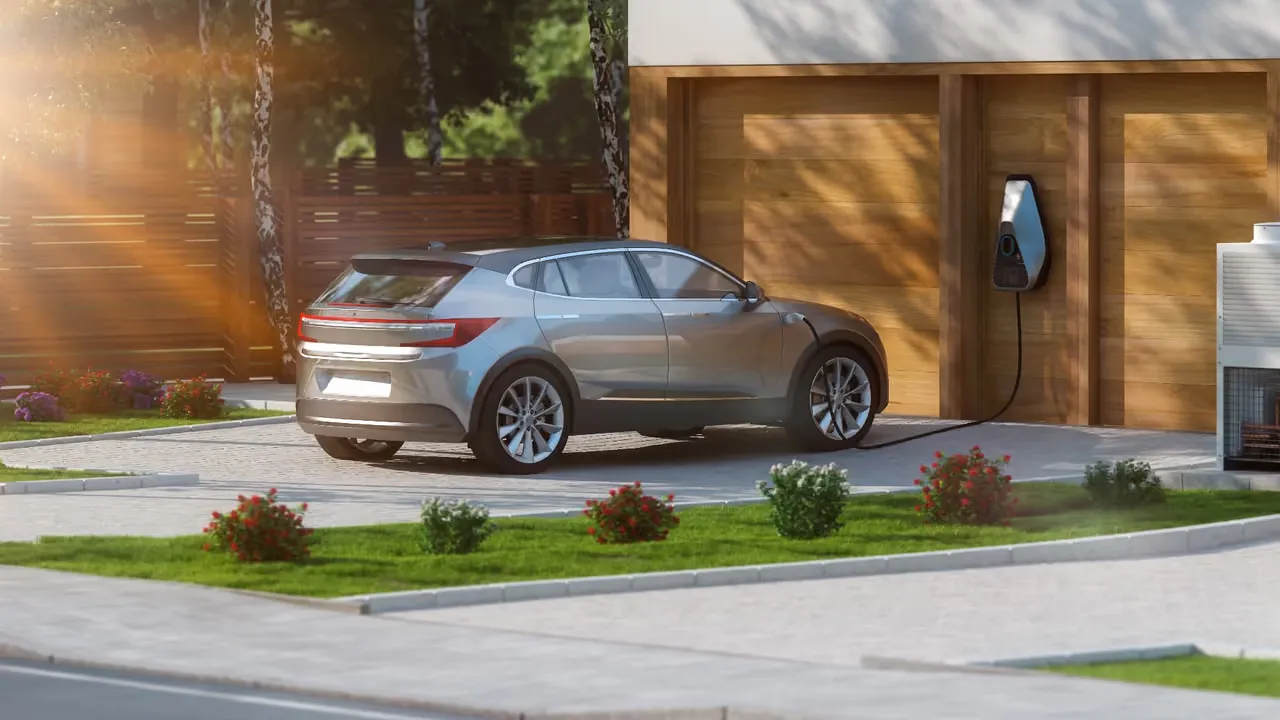
One of the key components of EV charging platform integration is the vehicle-to-grid (V2G) integration. This innovative technology allows EVs to not only draw power from the grid but also to return excess energy back to it. By connecting EVs to the grid in this bidirectional way, V2G integration can help balance the electricity demand and supply, making the grid more efficient and reliable.
Imagine a scenario where your EV not only charges while parked but also feeds electricity back to the grid during peak demand hours, helping reduce the strain on the power system. This two-way flow of energy is not only beneficial for the grid but also for EV owners who can earn money by selling surplus energy back to the grid.
Charging Platform Platform Upgrades
Another aspect of EV charging platform integration is the continuous upgrades and improvements to the charging infrastructure. As technology advances, charging platforms need to evolve to meet the changing needs of EV owners. This includes faster charging speeds, enhanced user experience, and seamless integration with other smart devices.
By investing in platform upgrades, charging providers can ensure that EV users have access to reliable and efficient charging solutions. Whether it’s through the development of new charging technologies or the implementation of user-friendly interfaces, platform upgrades play a crucial role in shaping the future of EV charging.
Charging Platform Hardware Integration
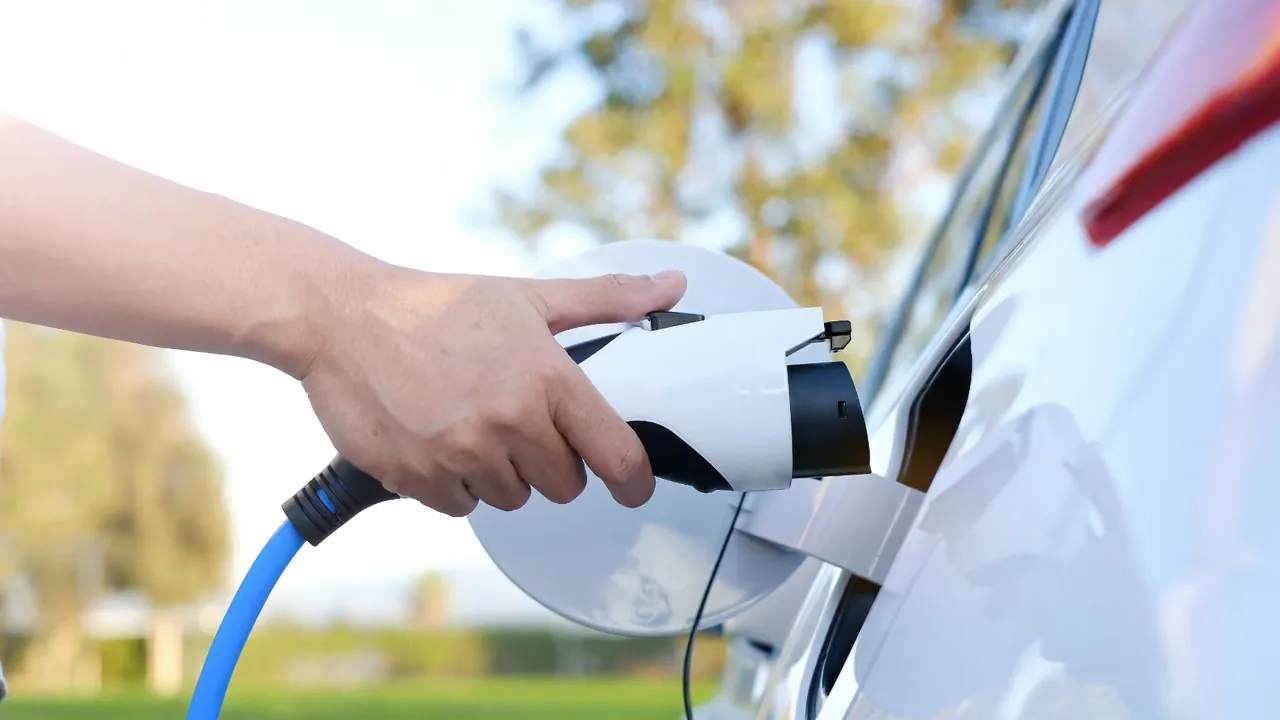
Hardware integration is another critical aspect of EV charging platform integration. This involves the seamless connection between the EV charging hardware and the software platform that manages it. By integrating hardware components such as charging stations, connectors, and meters with the charging platform, EV owners can enjoy a hassle-free charging experience.
Efficient hardware integration not only ensures that EVs are charged safely and effectively but also enables data collection and analysis for better grid management. By monitoring charging patterns and energy consumption, charging platform providers can optimize the use of resources and improve the overall efficiency of the charging network.
Conclusion
In conclusion, the integration of EV charging platforms holds great promise for the future of sustainable transportation. By incorporating vehicle-to-grid integration, platform upgrades, and hardware integration, charging providers can offer EV owners a seamless charging experience while contributing to a more efficient and resilient energy grid. As technology continues to advance, we can expect to see further innovations in EV charging platforms, making electric vehicles an even more attractive and viable option for environmentally conscious consumers.