

The Quiet Shift in Residential Streets
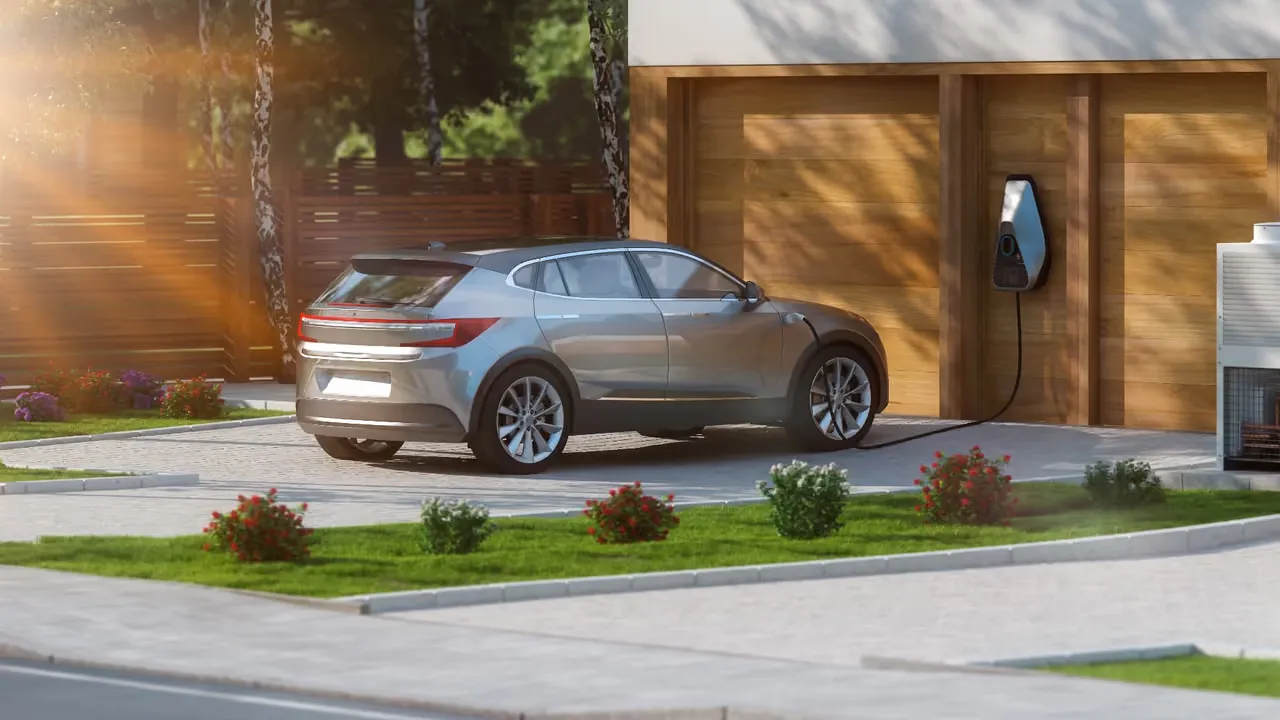
Driving through many neighborhoods today, it’s impossible not to notice a subtle but significant shift. Quiet streets once dominated by gas-guzzlers now sport a growing number of electric vehicles (EVs), quietly charging at driveways or communal hubs. This rise in EV ownership is beginning to reshape more than just transportation habits; it’s influencing how residential neighborhoods are designed and how communities interact.
Reimagining street layouts for EV convenience
Traditional neighborhood designs prioritized street parking and easy access to garages, with little thought about power access or charging infrastructure. But EVs require something different—regular access to electricity, preferably overnight. This necessity is pushing planners and developers to rethink street layouts and residential lot designs.
One of the most noticeable changes is the integration of dedicated EV charging spots in public parking areas. Instead of haphazard curbside parking, more neighborhoods are designating specific spaces equipped with charging stations. These spots encourage residents without private driveways to own EVs without worrying about where and how to charge.
Furthermore, street widths and curb designs are being reconsidered. Wider sidewalks often accommodate embedded charging cables and smart sensors, while narrower lanes encourage slower traffic, making streets safer for pedestrians and cyclists—an added bonus of EV-friendly design.
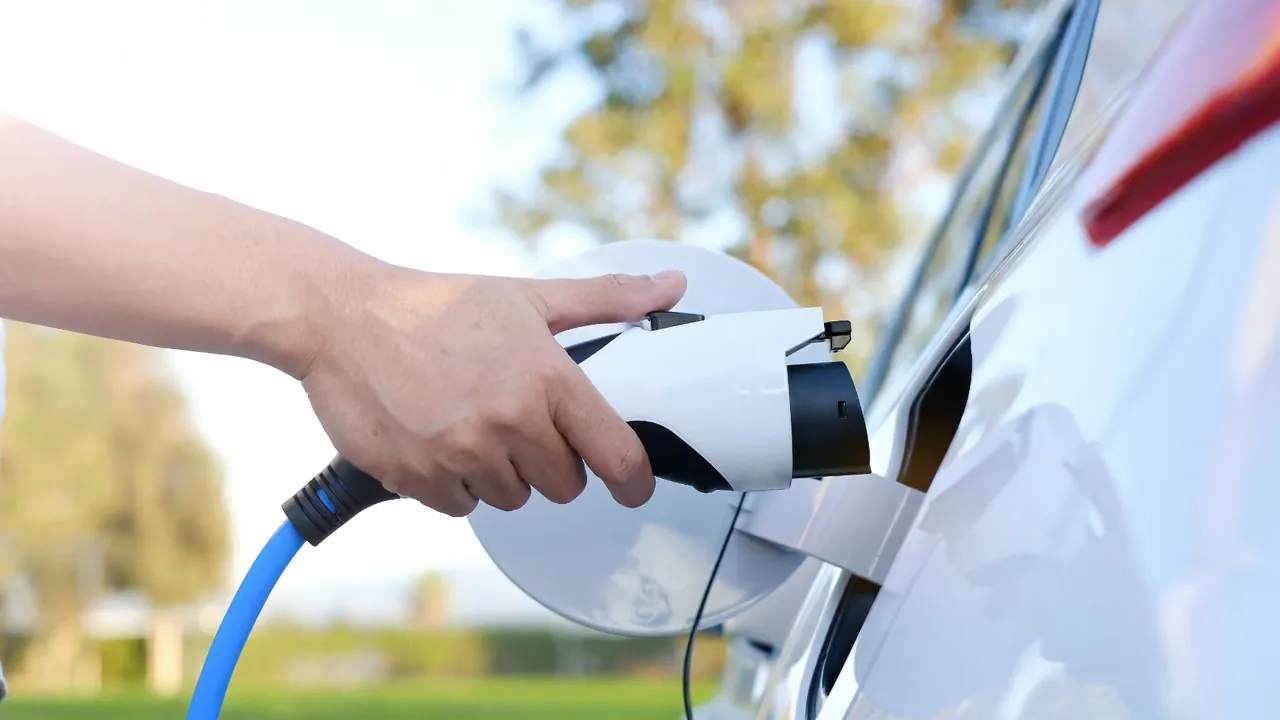
Garages and carports are also evolving. New homes often include built-in EV chargers, with wiring positioned for easy upgrades. In retrofit projects, homeowners are encouraged to install Level 2 chargers, reducing charging time and making EV ownership more practical.
Community charging hubs Beyond just power
Charging stations are no longer just functional necessities; they’re becoming social hubs. Community charging centers are popping up in shared parking lots, near parks, or by shopping areas, serving as more than just places to plug in a car.
These hubs foster interaction among neighbors who might otherwise not cross paths. While waiting for their EVs to charge, residents often chat, exchange tips about EV maintenance, or discuss local issues. Some communities are even organizing EV-focused events and workshops at these hubs, turning them into informal neighborhood gathering spots.
Beyond socializing, these hubs can promote a sense of shared responsibility and environmental awareness. When multiple residents use the same charging infrastructure, it encourages cooperative maintenance and collective investment in clean energy solutions, sometimes paired with solar panels or battery storage systems to reduce grid load.
Neighborhood dynamics shift with EV adoption
The rise of EVs is subtly shifting neighborhood dynamics in several ways. For one, EV ownership tends to correlate with certain demographic and socioeconomic factors, influencing patterns of neighborhood desirability and development.
Residents investing in EV technology often show a heightened environmental consciousness, which can ripple through the community. This shift sometimes leads to increased support for green initiatives such as community gardens, better recycling programs, and local clean energy projects.
Moreover, the presence of EV infrastructure can influence social equity discussions. Neighborhoods with ample charging options often see faster adoption rates, while those lacking infrastructure risk being left behind. This disparity has sparked conversations about equitable access to clean transportation, pushing local governments to subsidize charging stations in underserved areas.
On a more practical level, EVs tend to be quieter and produce no local emissions, subtly changing the sensory experience of a neighborhood. Streets become calmer and air quality improves, which can encourage outdoor activities and foster a stronger sense of community wellbeing.
Future prospects Integrating EV needs in suburban planning
Looking ahead, suburban planning is poised to integrate EV needs from the ground up rather than as an afterthought. New developments are being designed with EV charging infrastructure embedded in the blueprint, not added later as a retrofit.
Urban planners are exploring smart grid technology that can manage the increased electricity demand from EVs without overwhelming local power systems. This includes time-of-use charging incentives and vehicle-to-grid (V2G) systems where parked EVs can feed energy back into the grid during peak times.
Mixed-use developments are also adapting. Imagine neighborhoods where residents can charge their cars while attending community events, shopping, or dining. This integration enhances convenience and encourages a lifestyle less dependent on fossil fuels.
Additionally, autonomous EVs are on the horizon, which could further transform neighborhood design. With self-driving electric cars that can park themselves in centralized locations or even leave to charge, the need for individual garage spaces may decrease, freeing up land for parks, walking paths, or additional housing.
Incorporating these technologies requires a collaborative effort between residents, planners, utility providers, and policymakers. The goal is to create neighborhoods that not only accommodate EVs but also leverage their benefits to build stronger, cleaner, and more connected communities.