

The Environmental Impact of Electric Cars
The Environmental Impact of Electric Cars: Emission-Free and Clean Transportation
As concerns about climate change and air pollution continue to grow, the need for sustainable transportation options has become increasingly important. Electric cars, with their emission-free operation and reduced pollution, have emerged as a promising solution to address these environmental challenges. In this article, we will explore the environmental impact of electric cars and how they contribute to clean transportation.
Emission-Free Operation
One of the key advantages of electric cars is their emission-free operation. Unlike conventional gasoline-powered vehicles, electric cars do not produce tailpipe emissions that contribute to air pollution and greenhouse gas emissions. Instead, they rely on electric motors powered by rechargeable batteries, which produce zero emissions while driving.
This emission-free operation has a significant positive impact on air quality, particularly in urban areas where traffic congestion is high. By reducing the release of harmful pollutants such as nitrogen oxides, particulate matter, and carbon monoxide, electric cars help improve the overall air quality and reduce the risk of respiratory diseases.
Reduced Pollution
Electric cars also contribute to reduced pollution throughout their lifecycle. While it is true that the manufacturing process of electric vehicles may have some environmental impact, particularly in terms of resource extraction and energy consumption, the overall pollution generated is significantly lower compared to conventional cars.
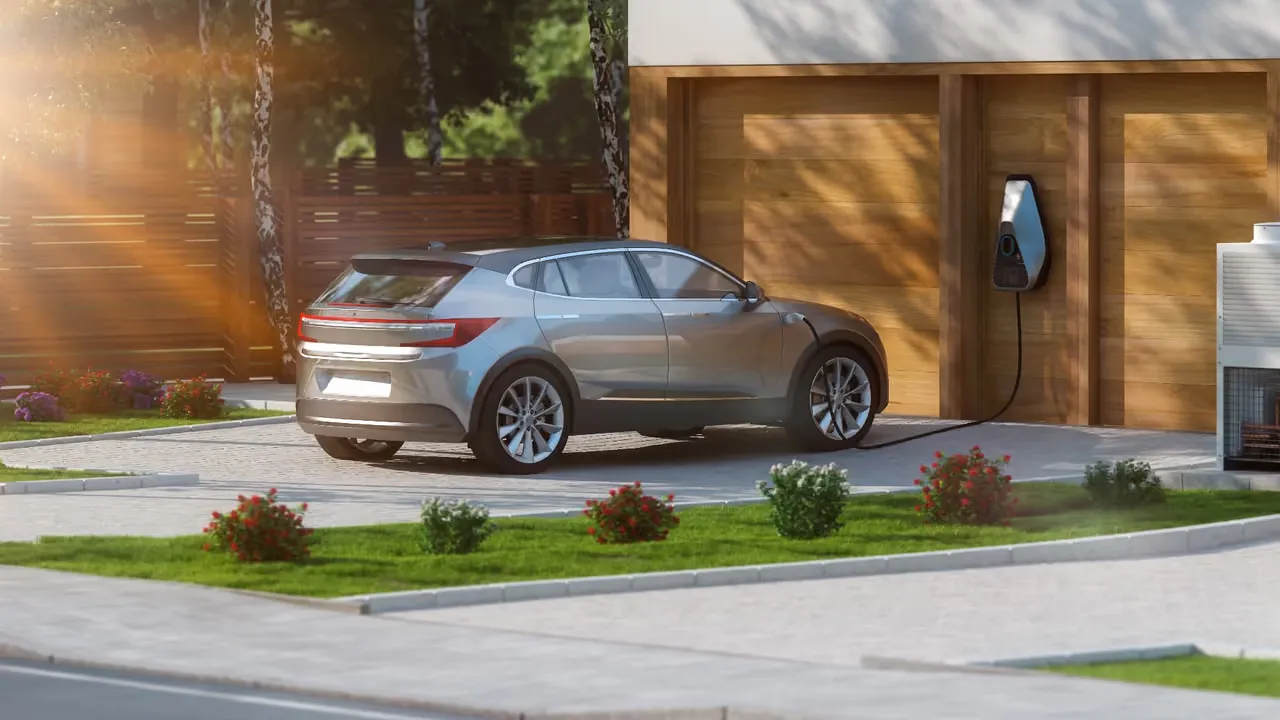
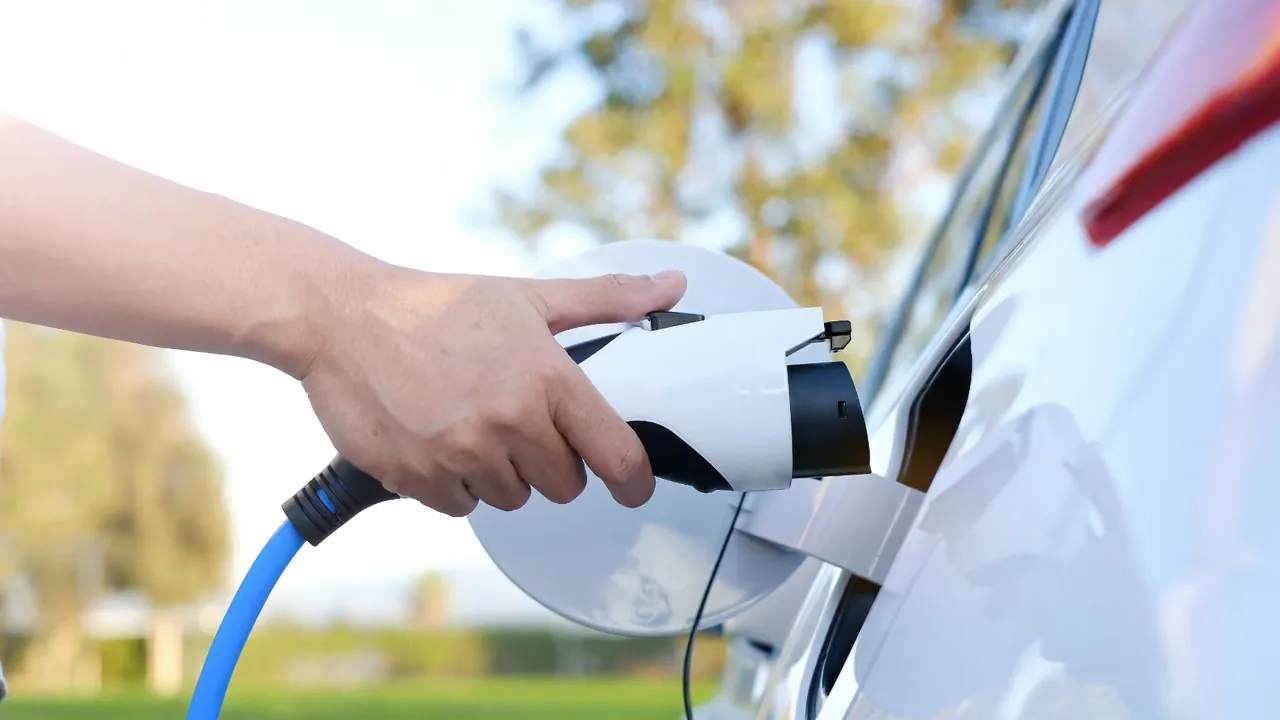
Firstly, electric cars do not require fossil fuels for operation, which eliminates the pollution associated with extracting, refining, and transporting gasoline or diesel. This reduces the carbon footprint and dependence on non-renewable resources. Additionally, the energy used to charge electric car batteries can come from renewable sources such as solar or wind power, further reducing the environmental impact.
Furthermore, electric cars have fewer moving parts compared to internal combustion engines, resulting in reduced maintenance needs. This means fewer oil changes, less fluid disposal, and lower overall waste generation. Additionally, the regenerative braking system in electric cars helps to extend the lifespan of brake pads, reducing the need for frequent replacements and associated waste.
Other Environmental Benefits
Beyond emission-free operation and reduced pollution, electric cars offer several other environmental benefits. For instance, they contribute to noise reduction, as electric motors are quieter compared to traditional engines. This can help mitigate noise pollution, particularly in densely populated areas.
Moreover, the adoption of electric cars can also have a positive impact on the electricity grid. By charging electric vehicles during off-peak hours, when electricity demand is lower, it can help balance the load on the grid and optimize the use of renewable energy sources. This can lead to a more efficient and sustainable energy system.
Conclusion
Electric cars play a crucial role in achieving clean transportation and reducing the environmental impact of the automotive industry. With their emission-free operation, reduced pollution, and various other environmental benefits, electric cars offer a sustainable alternative to conventional vehicles. As technology continues to advance and charging infrastructure improves, the widespread adoption of electric cars can contribute significantly to a greener and more sustainable future.