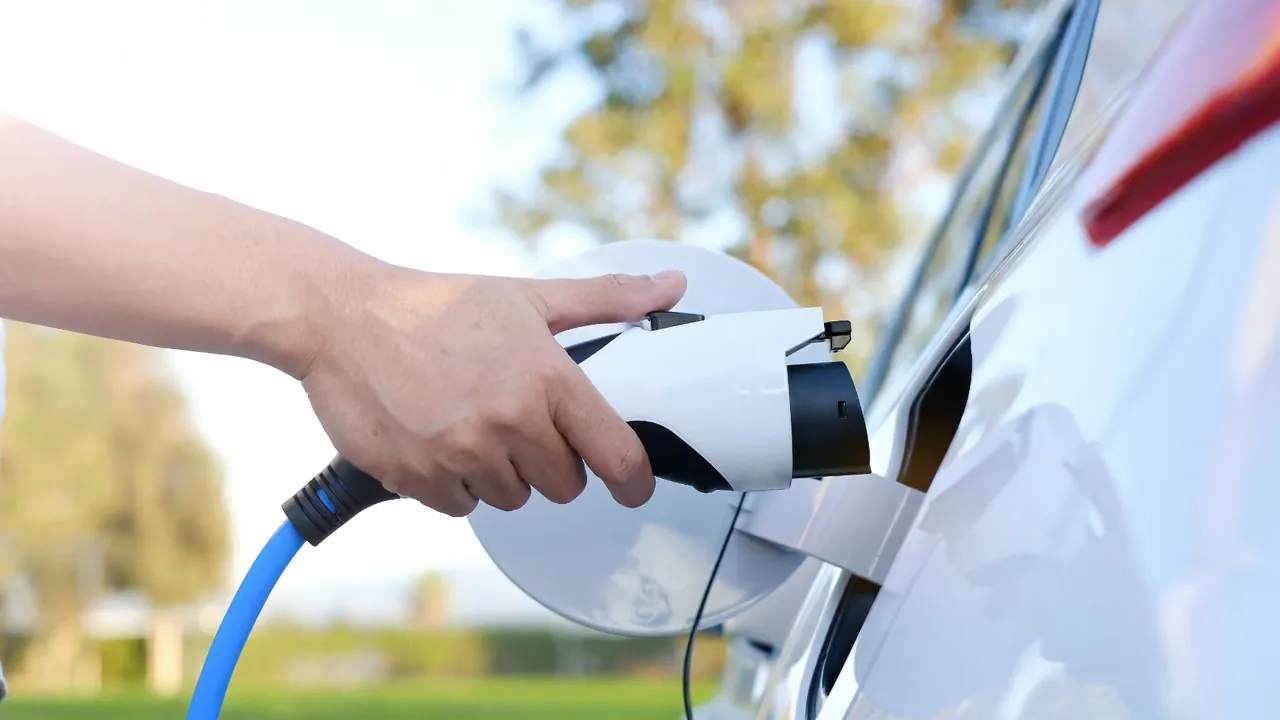


Streamlining EV Charging Platform Integration
EV Charging Platform Integration: Enhancing Convenience and Efficiency
As the popularity of electric vehicles (EVs) continues to rise, so does the need for an efficient and user-friendly charging infrastructure. EV charging platform integration plays a crucial role in providing a seamless experience for EV owners, allowing them to easily locate and utilize charging stations. In this article, we will explore the importance of third-party integrations, mobile app integration, and CRM integration in the EV charging platform ecosystem.
Third-Party Integrations: Expanding Accessibility
One of the key advantages of EV charging platform integration is the ability to collaborate with third-party service providers. By integrating with various mapping and navigation applications, charging platforms can provide real-time information about the availability and location of charging stations. This integration enables EV owners to plan their routes effectively and find the nearest charging point with ease.
Moreover, integrating with payment gateways and digital wallets allows for seamless transactions, eliminating the need for multiple accounts or payment methods. This convenience encourages more EV owners to utilize charging stations, ultimately contributing to the growth of the EV ecosystem.
Mobile App Integration: Empowering EV Owners
A mobile app plays a vital role in enhancing the overall charging experience for EV owners. By integrating the charging platform with a mobile app, users gain access to a range of features and functionalities that simplify their charging journey.
With mobile app integration, EV owners can view real-time charging station availability, reserve a charging spot in advance, and receive notifications when their vehicle is fully charged or if any issues arise during the charging process. Additionally, the app can provide personalized recommendations based on the user’s charging history and preferences, making the entire experience more user-centric.
Furthermore, mobile app integration enables EV owners to remotely monitor and control the charging process. They can start or stop charging, adjust charging settings, and track their energy consumption, all from the convenience of their smartphone. This level of control empowers EV owners and adds to the overall convenience and efficiency of the charging experience.
CRM Integration: Streamlining Operations
Customer Relationship Management (CRM) integration is another crucial aspect of EV charging platform integration. By integrating the charging platform with a CRM system, charging station operators can streamline their operations and provide better customer support.
A CRM integration allows operators to manage customer data, track charging sessions, and generate detailed reports and analytics. This information helps identify usage patterns, optimize charging infrastructure, and make data-driven decisions to improve the overall charging experience.
Moreover, CRM integration enables operators to provide personalized customer support. By accessing customer profiles, charging station operators can address individual concerns, resolve issues promptly, and offer tailored recommendations to enhance customer satisfaction.
Conclusion
EV charging platform integration is a crucial element in creating a seamless and user-friendly charging experience for EV owners. Third-party integrations expand accessibility, mobile app integration empowers users, and CRM integration streamlines operations. By leveraging these integrations, the EV charging ecosystem can continue to grow and support the transition to a more sustainable future.