
Smart Tips for Everyday EV Charging
How can electric vehicle (EV) owners fit charging seamlessly into their daily lives without turning it into a hassle or harming the battery? The truth is, charging an EV isn’t just about plugging in and powering up. It requires a bit of planning and understanding to keep your car ready to go while preserving the battery’s lifespan. Here’s how to make EV charging a natural part of your routine.
Understanding Your EV's Charging Needs Peak Times and Battery Care
Every EV has its quirks when it comes to charging and battery health. Knowing when and how to charge is the first step. Most EV batteries perform best when you avoid extreme states of charge—meaning, try not to let the battery fall below 20% or charge it to a full 100% unless necessary. Staying in the middle range, say 20% to 80%, is kinder to the battery in the long run.
Another factor is the timing of your charging sessions. Charging during peak electricity demand hours can be more expensive and sometimes less efficient. Many utilities offer off-peak rates overnight, which is a golden opportunity to charge your EV if your schedule allows. Plus, cooler nighttime temperatures are better for battery health during charging.
Strategic Home Charging Balancing Cost Speed and Convenience
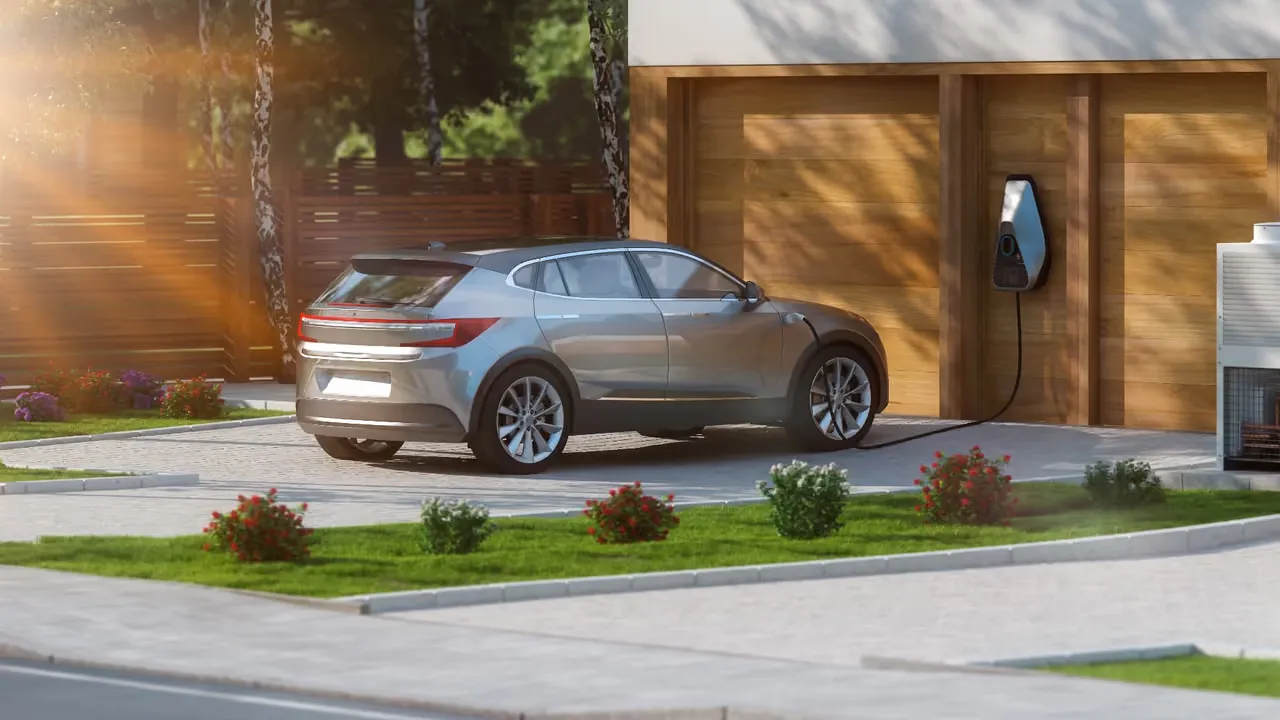
For most EV owners, home charging is the backbone of their routine. Installing a Level 2 charger—a 240-volt outlet—can cut charging times significantly compared to a standard wall outlet. But speed isn’t everything if it comes at the cost of convenience or higher electricity bills.
- Set a schedule: Use your EV’s built-in timer or your charging station’s app to start charging during off-peak hours. This saves money and reduces strain on the grid.
- Don’t always charge to 100%: Unless you’re planning a long trip, limit daily charging to around 80%. This habit helps keep your battery healthier over time.
- Top up when plugged in: If your routine includes daily short drives, topping up regularly instead of draining the battery can be more efficient and better for battery longevity.
Make charging part of your evening wind-down—plug in when you get home, and let the car charge overnight. This way, you wake up to a full (but not overly full) battery without changing your schedule.
Leveraging Public Charging Smartly During Errands and Trips
Public chargers are often seen as a necessity only for long trips, but they can be handy for everyday errands too—if used wisely. Fast chargers, while convenient, can degrade battery health if used frequently. Instead, use them sparingly, mainly when you actually need a quick boost.
Here’s how to integrate public charging into your day without fuss or damage:
- Plan stops at locations with Level 2 chargers: Grocery stores, gyms, and workplaces sometimes offer slower chargers. These are gentler on your battery and provide enough juice while you’re occupied.
- Combine charging with activities: If you know you’ll be parked for an hour or more, plug in then. No need to wait for a full charge—just enough to get you comfortably to your next destination.
- Avoid topping off at fast chargers: Try not to charge above 80% on fast chargers, as the battery heats up during rapid charging, which can accelerate wear.
Apps and websites that show charger locations and availability can help you pick the smartest spots to charge without disrupting your plans.
Adjusting Your Driving and Charging Habits to Extend Battery Health
Charging isn’t the only piece of the puzzle—how you drive also affects battery longevity. Aggressive acceleration and frequent hard braking drain the battery faster and generate more heat, which is tough on the cells.
Some practical tips to keep your battery happy:
- Drive smoothly: Ease into acceleration and use regenerative braking to recover energy instead of riding the brakes.
- Keep your battery cool: Whenever possible, park in the shade or a garage. High temperatures accelerate battery degradation.
- Limit exposure to extreme cold or heat: Both extremes cause the battery management system to work harder, impacting efficiency and health.
- Use eco-driving modes: Many EVs offer settings that optimize power use and battery temperature, helping extend battery life.
Combine these habits with thoughtful charging and your EV will not only serve your daily needs but will also stay reliable and efficient for years.