

Silent Streets Bring Wildlife Back to Cities
On a typical weekday morning, the usual cacophony of screeching brakes, revving engines, and honking horns is noticeably absent in many city streets. Instead, the hum of electric vehicles (EVs) creates a new kind of urban soundtrack—one quieter, smoother, and strangely more inviting to the creatures that share our cities. This shift is not just about cleaner air; it’s quietly transforming urban wildlife and green spaces in ways few anticipated.
The Quiet Roads
Noise pollution, often overlooked in discussions about urban ecology, has long been a disruptive force for city animals. Birds, for example, rely heavily on sound for communication, mating calls, and alerting each other to danger. The roar of gasoline engines and the constant drone of traffic have masked these vital signals, pushing some species away from busy areas.
With the rise of EVs, those roaring engines are being replaced by whispers. Studies and anecdotal observations alike note that bird songs are growing louder and more varied in parts of cities where electric cars dominate. This quieter environment allows urban animals to expand their territories and interact in ways impossible before.
Urban mammals, such as squirrels and foxes, are also adapting to the soundscape changes. The reduced noise encourages more active foraging during daylight hours, a shift from their typically nocturnal habits in noisy neighborhoods. This behavioral change could have cascading effects on urban ecosystems, influencing everything from seed dispersal to predator-prey dynamics.
Green Spaces and EVs
Electric vehicles are often seen as part of a broader push for sustainable urban development. This push has created opportunities for reimagining city green spaces, turning them into more than just patches of grass or flower beds.
As fewer large, polluting vehicles clog the streets, cities are experimenting with expanding green corridors and installing more vegetated areas near roads. The cleaner air and less compacted soil near quieter streets help native plants thrive, which in turn supports diverse insect populations, essential for pollinators and urban food webs.
Moreover, the adoption of EVs has coincided with urban planning trends that favor multi-use green spaces. These spaces now double as natural buffers that reduce urban heat islands and provide refuge for wildlife amidst increasing urban density.
Charging Stations as New Urban Habitats
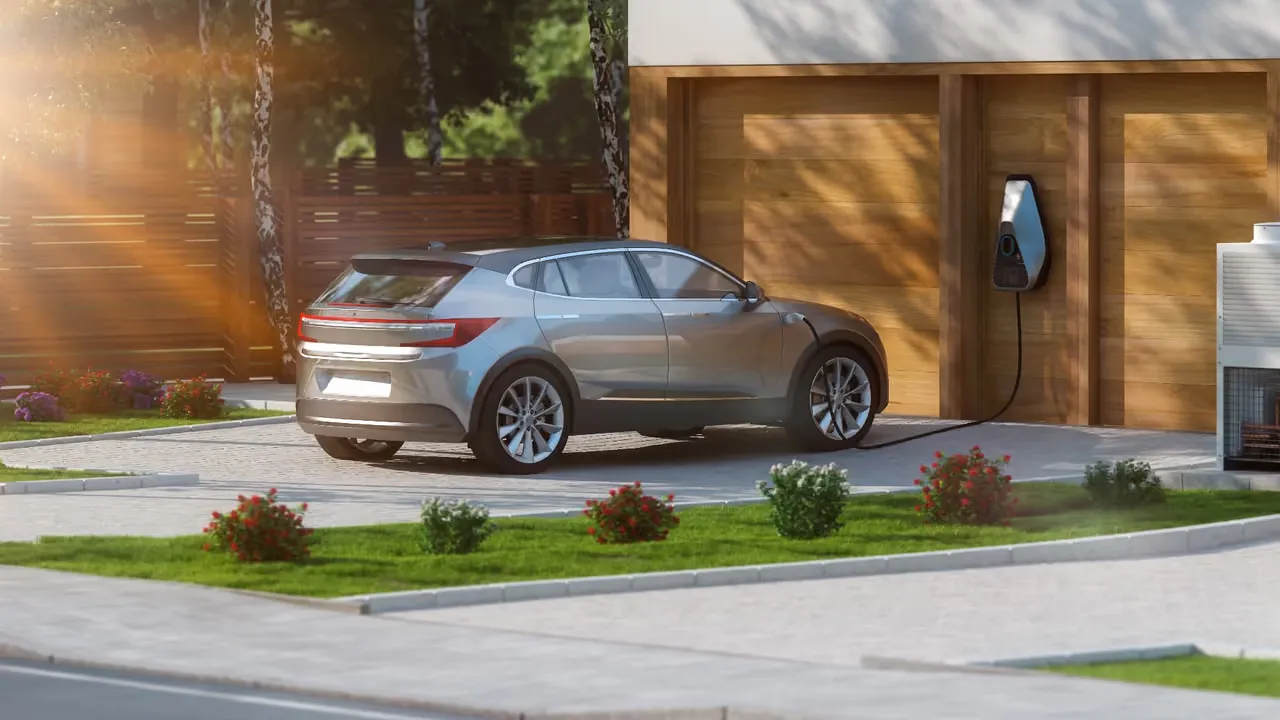
One of the most unexpected ecological impacts of EV adoption is the emergence of charging stations as microhabitats. These stations, often equipped with landscaping features and lighting designed to be energy-efficient and wildlife-friendly, are becoming oasis points for urban fauna.
Some charging stations incorporate native plants and green roofs, attracting pollinators such as bees and butterflies. The quiet, low-traffic zones around these stations can also serve as resting or nesting spots for birds and small mammals. In some cities, community groups have taken to planting wildflowers and shrubs around chargers, effectively creating small biodiversity hotspots.
This phenomenon challenges the conventional view of charging infrastructure as purely utilitarian. Instead, they offer a creative intersection of technology and nature, fostering coexistence where once there was only concrete and asphalt.
Balancing Development and Conservation
Despite these positive trends, the expansion of EV infrastructure and urban development poses new challenges for wildlife conservation. The risk of habitat fragmentation remains, as new roads and charging networks sometimes cut through existing green areas.
Urban planners and conservationists are increasingly called to collaborate, ensuring that the transition to electric mobility does not come at the expense of urban ecosystems. Integrating wildlife corridors, green roofs, and permeable surfaces alongside EV infrastructure is becoming a priority in many forward-thinking cities.
Public awareness plays a critical role here. As drivers switch to electric, many become more aware of their environmental impact, sparking grassroots initiatives to protect and enhance urban biodiversity. This cultural shift complements policy efforts, creating a more holistic approach to city living.