
Silent Streets Are Changing City Life
Walking through a busy city street used to mean navigating a constant roar—engines revving, tires humming on asphalt, and the occasional honk slicing through the air. Today, that familiar soundtrack is muting. Electric vehicles (EVs), once a novelty, are steadily becoming the norm, and with their rise comes a transformation of urban soundscapes unlike anything we’ve seen before.
The Transformation of City Noise with EV Adoption
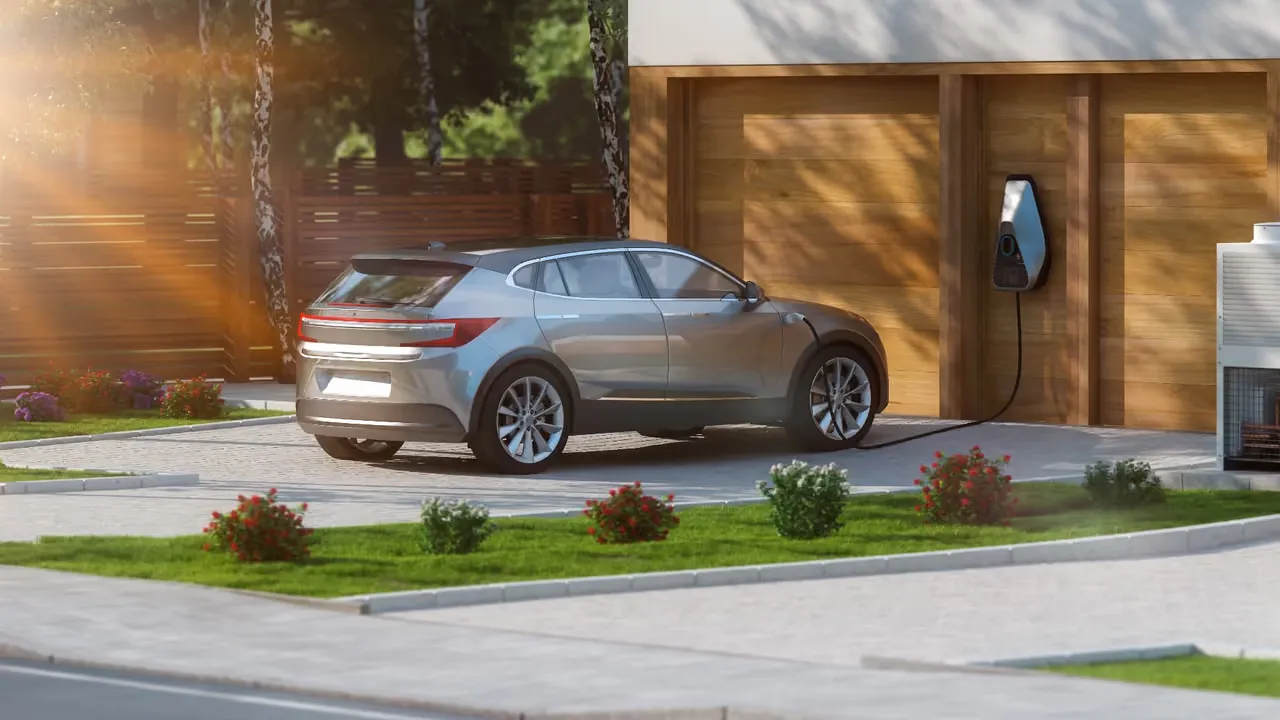
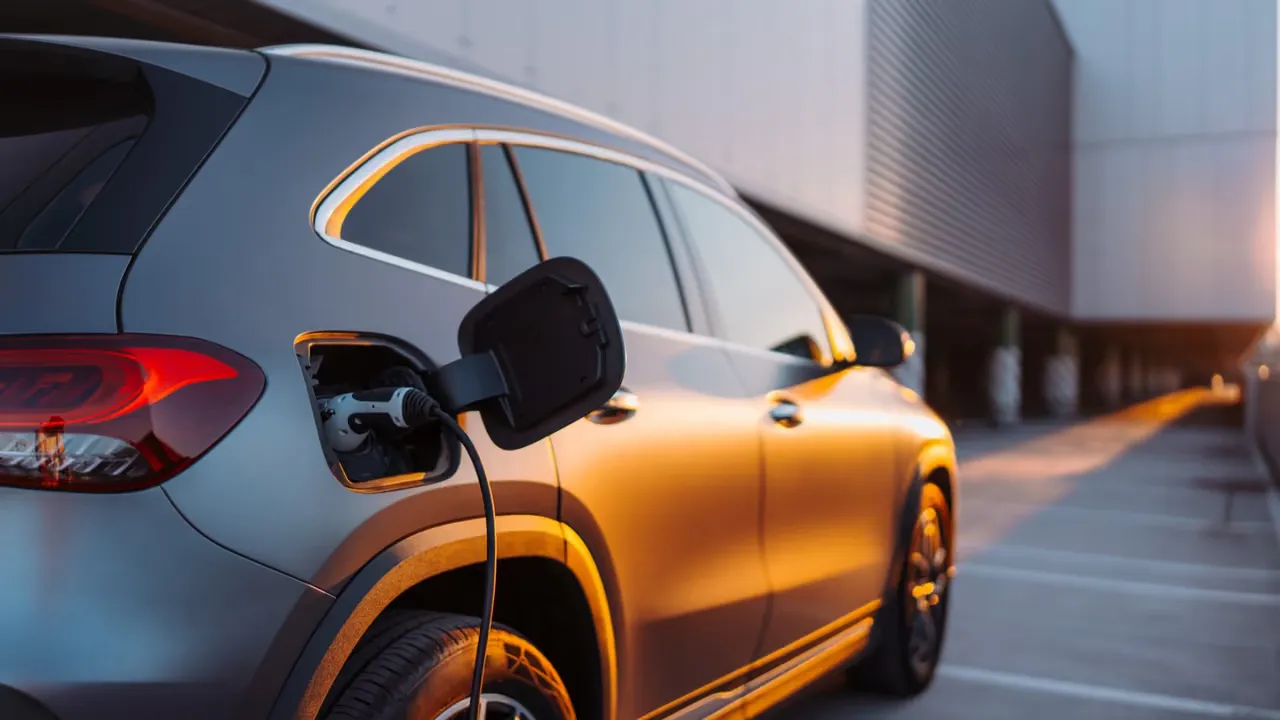
Electric vehicles operate almost silently compared to their internal combustion engine counterparts. Instead of a growling engine, you hear a gentle whir from the electric motor, often overwhelmed only by the sound of tires on pavement or the wind. As cities encourage EV adoption through incentives, stricter emissions regulations, and expanding charging infrastructure, the overall noise levels on city streets are dropping.
In some urban areas, this shift is noticeable. Where once intersections buzzed with engine idling and acceleration, there’s now an odd calm. The absence of engine noise creates an auditory vacuum, inviting us to hear what usually lurks beneath the urban clamor—birds chirping, distant conversations, even the subtle rustle of leaves. It’s a quieter, calmer city.
Benefits of Quieter Streets for Urban Residents and Wildlife
This quieter city life isn’t just a novelty; it has tangible benefits for residents and urban ecosystems. Chronic noise pollution has been linked to stress, sleep disruption, and even cardiovascular problems. With EVs reducing the constant background noise, people living near busy roads can finally reclaim some peace. This subtle change might improve mental health and the quality of life, especially for those in dense urban neighborhoods.
Urban wildlife, too, stands to gain. Animals that have adapted to noisy environments may find new opportunities to thrive when the auditory landscape shifts. Bird species that avoid noisy areas might return, enhancing biodiversity. The quieter environment also means less interference with animal communication and mating calls, potentially helping urban ecosystems rebalance.
Challenges Posed by Silent Vehicles for Pedestrian and Cyclist Safety
But this newfound quiet isn’t without complications. One of the biggest challenges is safety. Pedestrians, especially those visually impaired, rely heavily on auditory cues to detect approaching vehicles. Cyclists navigating busy streets also benefit from hearing engines to judge speed and distance. Silent EVs can slip up on people, increasing the risk of accidents.
Moreover, the typical “sound” of a vehicle signals movement and alerts people to impending motion. Without it, there’s a dissonance in how humans interact with their environment. Crossing a street can become unexpectedly hazardous when the usual warning signs are absent. This problem is more pronounced in mixed-traffic zones, where the presence of EVs and traditional vehicles creates an unpredictable soundscape.
Technological and Policy Solutions to Balance Quietness and Safety
To address these issues, manufacturers and policymakers have stepped in with creative solutions. Many EVs now incorporate artificial sound generators at low speeds. These devices emit subtle sounds designed to alert pedestrians without adding to urban noise pollution. The sounds are often engineered to be directional and only active at speeds where the risk to pedestrians is highest, such as when parking or driving through crowded areas.
Regulatory bodies around the world have also introduced standards for these sounds. For example, the U.S. requires EVs to produce audible noise below 18.6 mph, while the European Union has similar mandates. These policies aim to strike a balance—maintaining the benefits of quieter streets while ensuring safety for all road users.
Beyond sound generation, cities are experimenting with urban design solutions. Raised crosswalks, improved lighting, and dedicated bike lanes reduce reliance on auditory cues. Smart infrastructure, like sensors that communicate directly with vehicles or pedestrians’ smartphones, offers futuristic ways to bridge the gap created by silent vehicles.
Still, the challenge remains: how to preserve the peacefulness EVs bring without sacrificing the essential human ability to perceive movement and danger. The answer likely lies in a mix of technology, regulation, and thoughtful city planning.