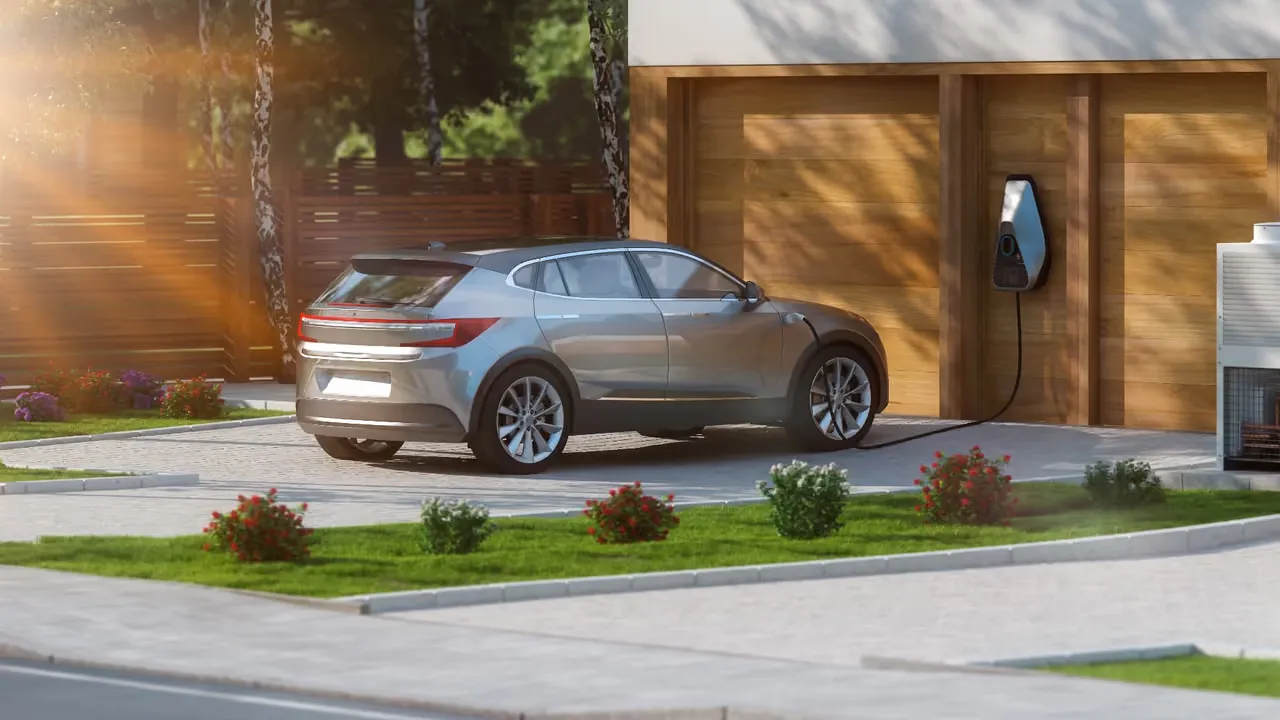


Quieter Cities Boost Social Interaction
Walking down a bustling city street, it’s impossible not to notice the familiar cacophony: engines revving, tires squealing, horns blaring. Yet, in pockets of urban centers around the world, this soundtrack is quietly shifting. The roar of combustion engines is giving way to the near-whisper of electric vehicles (EVs). It’s not just a change in noise levels—it’s a transformation of the urban soundscape with ripple effects that stretch beyond mere decibels.
The transformation of city noise levels from roar to whisper
Internal combustion engines are loud by nature. The mechanical complexity, the explosions inside cylinders, and the exhaust systems combine to create a rich, if often unpleasant, layer of sound. EVs, on the other hand, operate with electric motors that hum softly or glide in near silence. This fundamental difference is altering the aural environment of cities.
According to studies, EVs reduce overall traffic noise by as much as 40% at lower speeds, which is where much of city driving occurs. This is not just a drop in volume but a shift in the quality of sound—from sharp, irregular bursts to smooth, continuous tones that blend more easily into the background.
In some neighborhoods, the difference is palpable. Streets once dominated by the constant roar of engines now offer a quieter, more peaceful atmosphere. Sidewalk conversations are easier to hold, the clatter of footsteps on pavement gains prominence, and even birdsong reemerges in places where it had been drowned out for decades.
Unexpected social effects of quieter streets
What happens when cities get quieter? The answers go beyond comfort and restfulness. Quieter streets encourage more outdoor activity. People feel safer letting children play near roads and are more willing to walk or cycle, knowing they won’t be overwhelmed by noise.
Noise pollution has long been linked to stress, sleep disturbances, and even cardiovascular problems. Its reduction can improve overall community well-being. But the social impact is more nuanced. For example:
- Enhanced communication: With less background noise, neighbors can talk more easily, fostering stronger social ties.
- Shift in urban behavior: People tend to linger longer on benches, in parks, and at street cafes, turning public spaces into informal meeting spots.
- New challenges for the visually impaired: Those who rely on auditory cues to navigate traffic may find the absence of engine noise disorienting, prompting new approaches to accessibility.
Interestingly, some communities report that the quieter environment has sparked a renewed appreciation for subtle sounds—children’s laughter, the rustle of leaves, or distant church bells—bringing a richer sensory dimension to daily life.
Designing urban spaces for a quieter future
Urban planners and architects are beginning to rethink city design with the quieter soundscape in mind. Traditionally, sound barriers, street layouts, and building materials have been used to dampen noise. Now, the quieter baseline created by EVs offers fresh opportunities.
Some forward-thinking cities are experimenting with:
- Expanded pedestrian zones: Quieter streets open the door for more car-free zones where people can gather without the intrusion of loud engines.
- Acoustic landscaping: Incorporating natural sound buffers like trees, water features, and green walls that complement the softer urban hum.
- Flexible sound zones: Creating spaces that encourage different sound experiences—quiet parks adjacent to lively markets, for instance.
These designs aim not just to mute noise but to sculpt the urban soundscape, enhancing well-being and community interaction. The quiet of EVs is thus a canvas for new urban experiences, not merely a reduction in disturbance.
Balancing safety and serenity the role of sound in EVs
However, the silent operation of EVs is not without drawbacks. One major concern is pedestrian and cyclist safety. Without the familiar engine noise, people may not notice an approaching vehicle, especially in busy urban environments.
Regulators worldwide have responded by mandating artificial sounds at low speeds. These sounds are designed to alert those nearby without contributing significantly to noise pollution. But striking the right balance is tricky:
- Too loud: Artificial sounds risk negating the noise reduction benefits that make EVs appealing.
- Too quiet: They might fail to provide adequate warning, particularly for the visually impaired.
- Unnatural: Some generated sounds feel mechanical or intrusive, lacking the organic qualities of traditional engines.
Innovators are exploring creative solutions—sounds that mimic natural phenomena like wind or soft chimes, adjustable volumes based on context, or directional audio that alerts only those in the vehicle’s immediate path.
Ultimately, sound in EVs is evolving into a tool not just for safety but for enhancing the urban auditory experience, proving that silence is not always golden and sometimes needs a gentle nudge to keep everyone safe.