
Power Your House Using EV Battery
Ever wondered if your electric vehicle could do more than just get you from point A to point B? What if it could actually power your home and save you money in the process? Vehicle-to-Home (V2H) technology is turning this idea into reality, offering EV owners a way to use their car’s battery as a backup power source and even reduce their energy bills.
Understanding Vehicle-to-Home Technology How Your EV Can Power Your Home
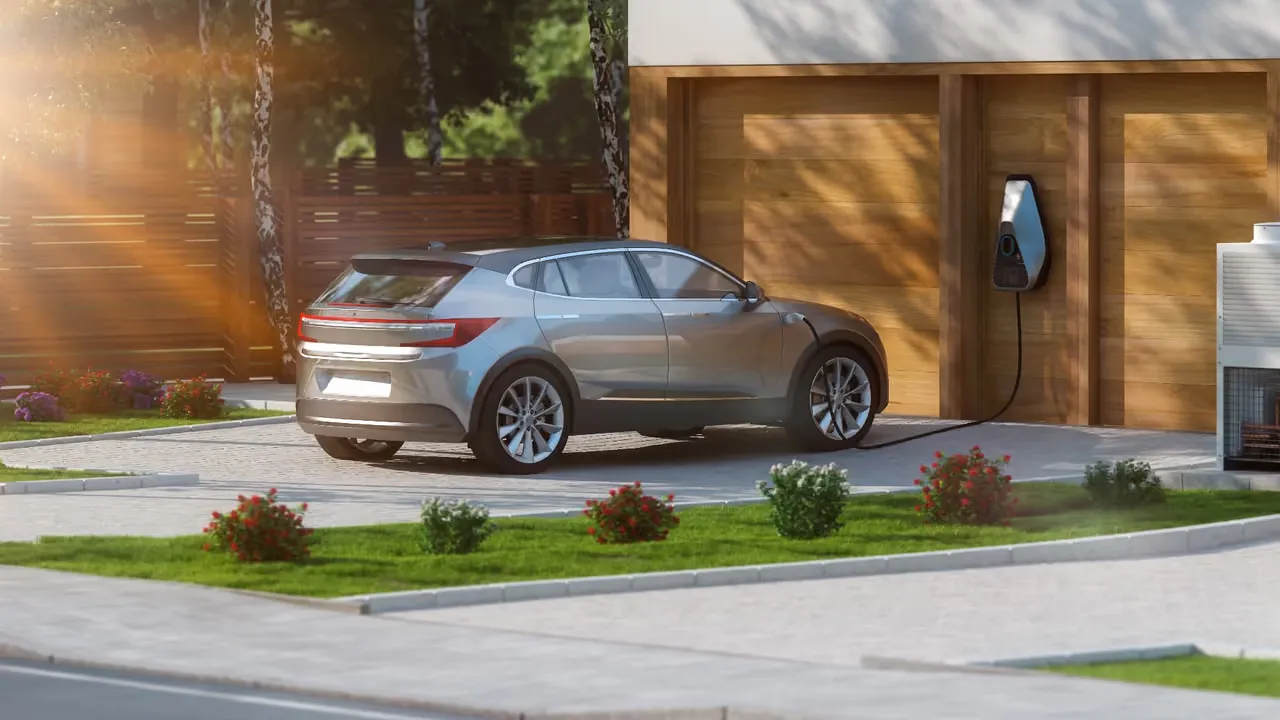
Vehicle-to-Home, or V2H, is a system that lets your electric vehicle send electricity back into your house. Instead of just charging the car’s battery, V2H enables the battery to act as a home energy storage unit. When your home needs power—whether during peak energy usage times or an outage—your EV can supply it.
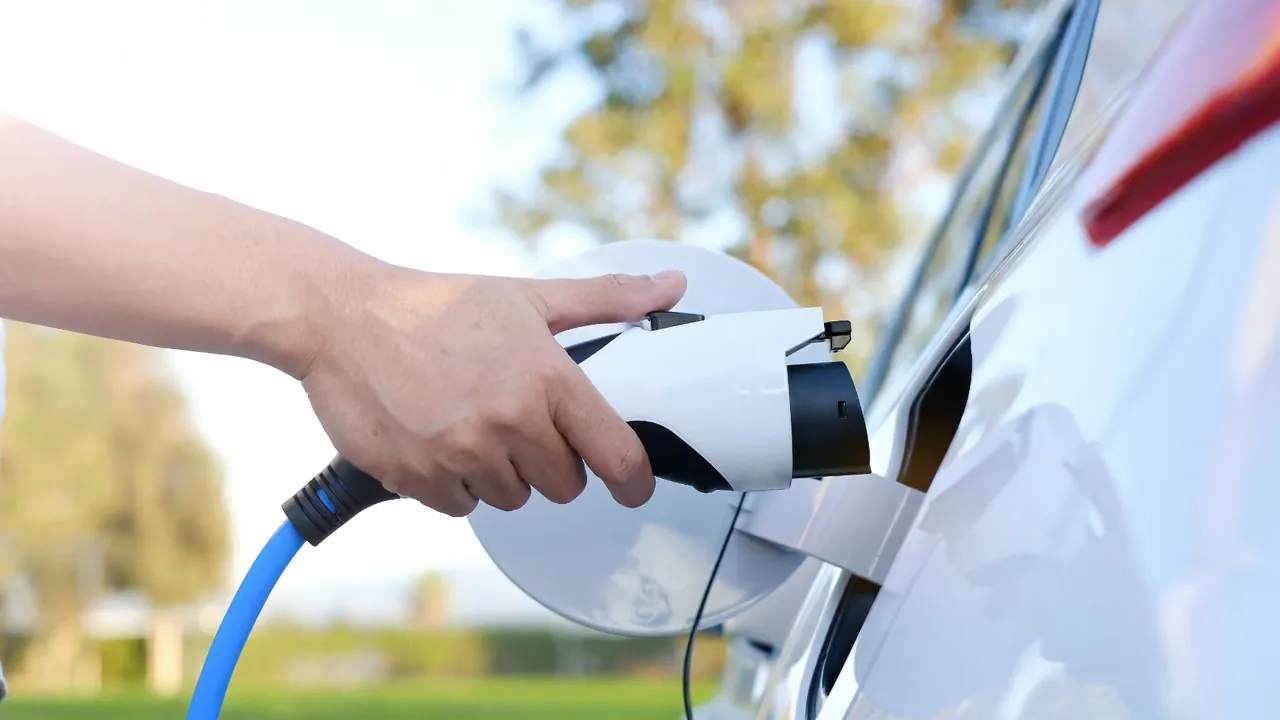
Think of it as turning your car into a giant portable battery for your home. This technology is especially relevant for EVs equipped with bidirectional chargers, which allow electricity to flow both in and out. Without this capability, your EV can only draw power from the grid to charge itself.
V2H systems connect your EV to your home’s electrical panel through specialized hardware and software that manage the energy flow. When your car is parked and plugged in, the system decides when to draw electricity from the grid, when to charge the EV, and when to power your home from the vehicle’s battery.
Cost Savings Using Your EV Battery to Cut Energy Bills
One of the biggest draws of V2H is the potential for real cost savings. Here’s how it works:
- Time-of-Use Rate Management: Many utility companies charge different rates depending on the time of day. Electricity can be cheaper late at night and more expensive during peak hours. V2H lets you charge your EV battery when electricity is cheap and then use that stored energy to power your home during expensive peak periods.
- Reducing Demand Charges: For homes with demand charges based on peak electricity consumption, using your EV battery can help flatten those peaks. This means your utility bill could be lower because you’re drawing less power from the grid during high-demand moments.
- Maximizing Solar Power: If you have solar panels, V2H can complement your system. Excess solar energy can charge your EV, and at night, your car can supply your home with stored solar energy instead of pulling from the grid.
While the upfront cost of installing a bidirectional charger and V2H setup is not insignificant, the long-term savings on energy bills can offset this investment over time—especially in areas with high electricity rates or variable pricing.
Emergency Preparedness Keeping the Lights On During Blackouts
Beyond cost savings, V2H offers peace of mind during power outages. Your EV’s battery can serve as a reliable backup power source, keeping essential appliances running when the grid goes down.
During an outage, a V2H system isolates your home from the grid and draws power solely from your EV’s battery. This means you can keep the refrigerator running, charge devices, power lights, and even run medical equipment for hours depending on your battery size.
For those living in areas prone to storms, wildfires, or grid instability, this resilience can be a game changer. It’s like having a mobile generator without the noise, fumes, or fuel storage concerns.
However, keep in mind that V2H won’t power your entire home indefinitely. Managing which circuits remain active and how much energy you use is crucial to stretch your EV’s battery life during an outage.
Practical Considerations What You Need to Know Before Adopting V2H
If V2H sounds appealing, here are some practical points to consider before jumping in:
- Compatibility: Not all EVs support bidirectional charging. Check if your vehicle model and its onboard charger can handle two-way energy flow. Some manufacturers are beginning to offer this feature, but it’s still not widespread.
- Charging Equipment: You’ll need a bidirectional charger and possibly an energy management system. These components can be costly and require professional installation. Make sure to get multiple quotes and verify installer experience with V2H setups.
- Battery Longevity: Using your EV’s battery for home power means additional charge and discharge cycles. While modern EV batteries are durable, this could impact their lifespan. Some systems allow you to set limits on depth of discharge to minimize wear.
- Utility Regulations and Incentives: Policies around V2H vary by location. Some utilities support and incentivize home energy storage and bidirectional charging, while others may have restrictions. Research local rules and possible rebates or tax credits.
- Energy Management: To get the most from V2H, consider integrating smart home energy management tools. These can help prioritize which appliances run during battery use and optimize charging times to save money.
- Safety and Permitting: Your installation must meet electrical codes and safety standards. This often requires permits and inspections. Work with qualified electricians to ensure compliance and safe operation.
V2H technology is still evolving, but it’s a promising way for EV owners to take control of their energy use, save money, and prepare for emergencies. If you’re ready to explore this next step in EV ownership, start by checking your vehicle’s compatibility and contacting local installers to understand what’s possible in your area.