

Optimizing EV Charging Network Management
EV Charging Network Management: Ensuring Optimal Performance, Seamless Billing, and Effective Maintenance
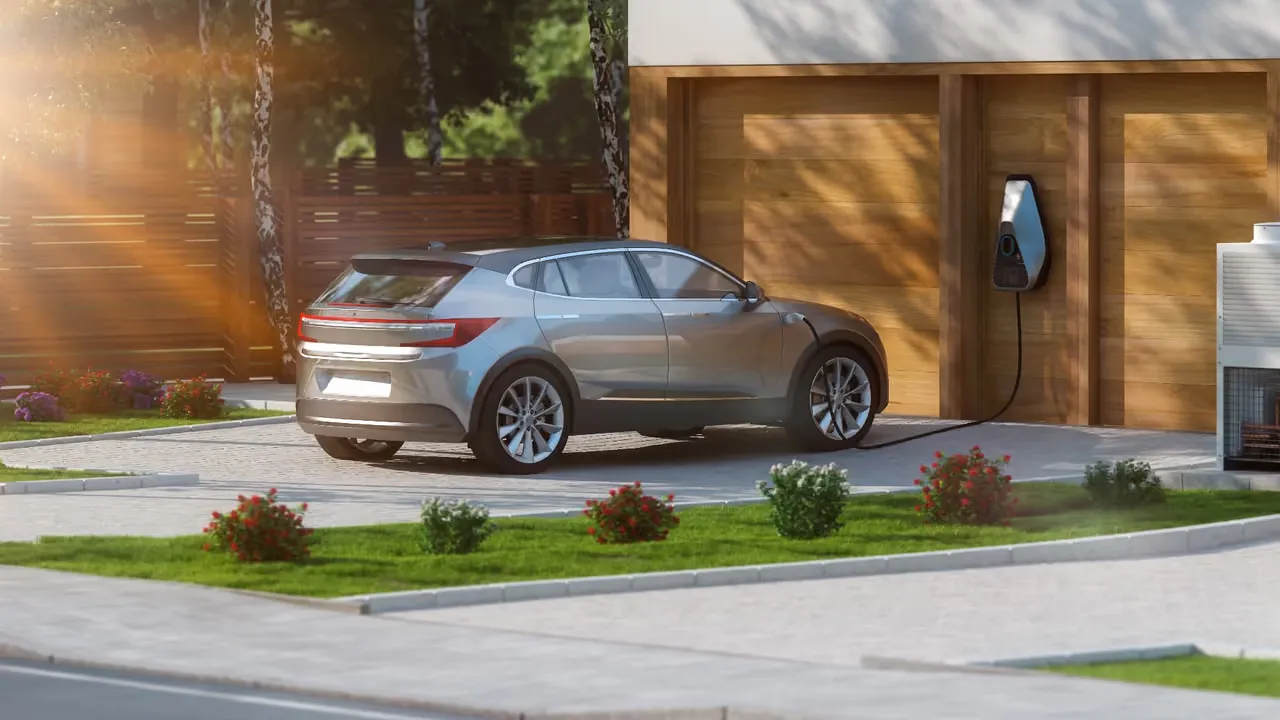
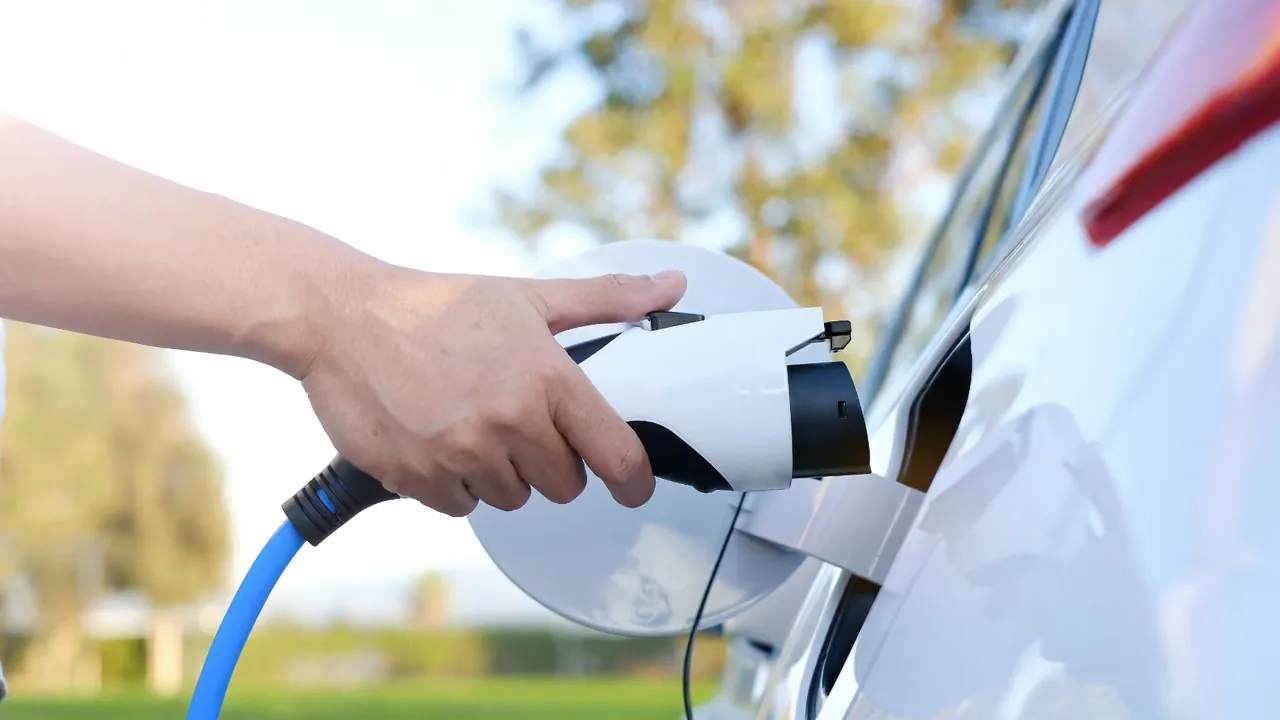
Electric vehicles (EVs) are gaining popularity as a sustainable transportation option, and with this rise comes the need for a robust EV charging network. The success of an EV charging network relies heavily on efficient management, encompassing charging network performance, billing, and maintenance. In this article, we will explore the importance of these aspects and how they contribute to a seamless and reliable charging experience for EV owners.
Charging Network Performance
One of the key factors that determine the success of an EV charging network is its performance. EV owners rely on these charging stations to provide a fast and reliable charging experience. To ensure optimal performance, charging network operators must consider several factors:
- Location: Placing charging stations strategically in areas with high EV traffic is crucial. This includes residential areas, workplaces, shopping centers, and along major highways.
- Availability: Charging stations should be easily accessible and available when needed. Operators must monitor usage patterns and ensure that there are enough charging stations to meet the demand.
- Reliability: Charging stations should be regularly maintained and tested to ensure they are functioning properly. Any issues or downtime should be promptly addressed to minimize inconvenience for EV owners.
Charging Network Billing
Efficient billing is another crucial aspect of EV charging network management. EV owners need a seamless and transparent billing process to encourage widespread adoption. Here are some key considerations for charging network operators:
- Standardized Pricing: Implementing a standardized pricing structure across the charging network helps eliminate confusion and ensures fairness. Clear pricing information should be readily available to EV owners.
- Flexible Payment Options: Offering multiple payment options, such as credit cards, mobile apps, or RFID cards, allows EV owners to choose the method that suits them best.
- Real-Time Monitoring: Operators should have a system in place to monitor charging sessions in real-time. This enables accurate billing based on the duration and energy consumed during each session.
Charging Network Maintenance
Regular maintenance is essential to keep the charging network operating smoothly. Neglecting maintenance can lead to decreased performance, increased downtime, and dissatisfied EV owners. Here are some maintenance practices that operators should prioritize:
- Inspections: Regular inspections of charging stations should be conducted to identify any physical damage or malfunctioning components. This helps prevent potential hazards and ensures the safety of EV owners.
- Software Updates: Charging network operators should stay up-to-date with the latest software releases and install updates promptly. These updates often include bug fixes, security enhancements, and new features.
- 24/7 Support: Offering round-the-clock customer support ensures that any issues or concerns raised by EV owners are addressed promptly. This helps maintain a positive user experience and fosters trust in the charging network.
By prioritizing charging network performance, billing efficiency, and regular maintenance, operators can provide a reliable and user-friendly charging experience for EV owners. This, in turn, encourages the adoption of electric vehicles and contributes to a greener and more sustainable future.