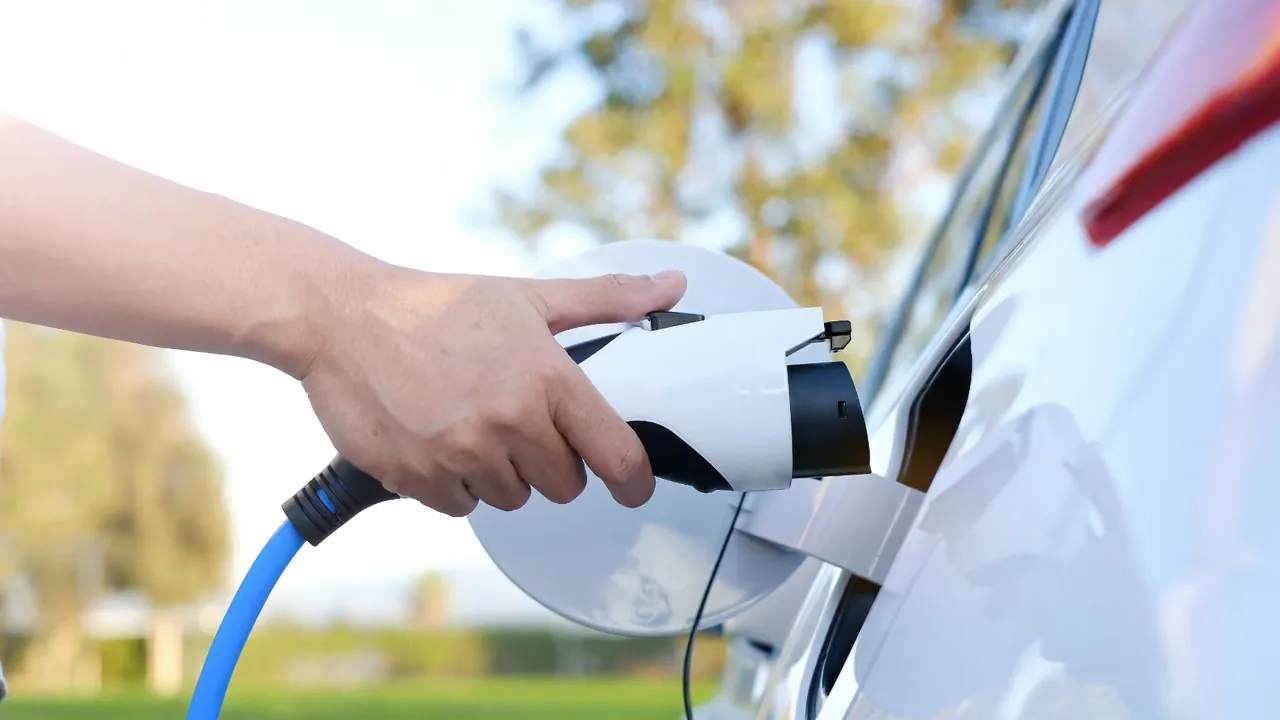


Optimizing EV Charging Network Management
EV Charging Network Management: Optimizing Connectivity, Control, and Billing
As the popularity of electric vehicles (EVs) continues to rise, the need for a well-managed and efficient charging network becomes increasingly important. EV charging network management involves various aspects, including connectivity, control, and billing, all of which play a crucial role in ensuring a seamless charging experience for EV owners. In this article, we will delve into these key areas and explore how they contribute to the overall effectiveness of an EV charging network.
Charging Network Connectivity
One of the primary concerns for EV owners is the availability and accessibility of charging stations. To address this, charging network connectivity is essential. A robust and interconnected charging network allows EV owners to easily locate and access charging stations, eliminating the anxiety of running out of battery power during their journeys.
Through advanced technologies and smart grid integration, charging network operators can provide real-time information on the availability and status of charging stations. This information can be accessed through mobile applications or online platforms, enabling EV owners to plan their trips and make informed decisions about where and when to charge their vehicles.
Charging Network Control
Efficient charging network control is crucial for optimizing the utilization of charging stations and managing the flow of electricity. By implementing smart charging solutions, charging network operators can intelligently distribute the available power among multiple charging stations, ensuring a fair and balanced charging experience for all users.
Smart charging systems can also prioritize charging based on factors such as battery level, charging speed, and user preferences. For instance, if an EV owner urgently needs to charge their vehicle to a certain level within a specific timeframe, the charging network control can allocate more power to that particular charging session, while still maintaining an equitable distribution overall.
Charging Network Billing
Accurate and transparent billing is a critical aspect of EV charging network management. EV owners should have a clear understanding of the costs associated with charging their vehicles, allowing them to plan their expenses accordingly. Additionally, transparent billing practices foster trust and confidence in the charging network operator.
Charging network billing can be implemented through various methods, including pay-per-use, subscription-based models, or a combination of both. The billing process should be user-friendly and easily accessible, providing detailed information about charging sessions, costs, and payment options.
Moreover, interoperability is a key factor in charging network billing. EV owners should be able to use a single payment method or account across different charging networks, eliminating the need for multiple subscriptions or complicated payment processes.
Conclusion
Effective EV charging network management is crucial for the widespread adoption of electric vehicles. By optimizing charging network connectivity, control, and billing, operators can provide a seamless charging experience for EV owners, addressing their concerns and promoting the growth of sustainable transportation.
As the EV industry continues to evolve, it is essential for charging network operators to prioritize the development and implementation of robust management systems. By doing so, they can contribute to the acceleration of the global transition towards a cleaner and greener future.