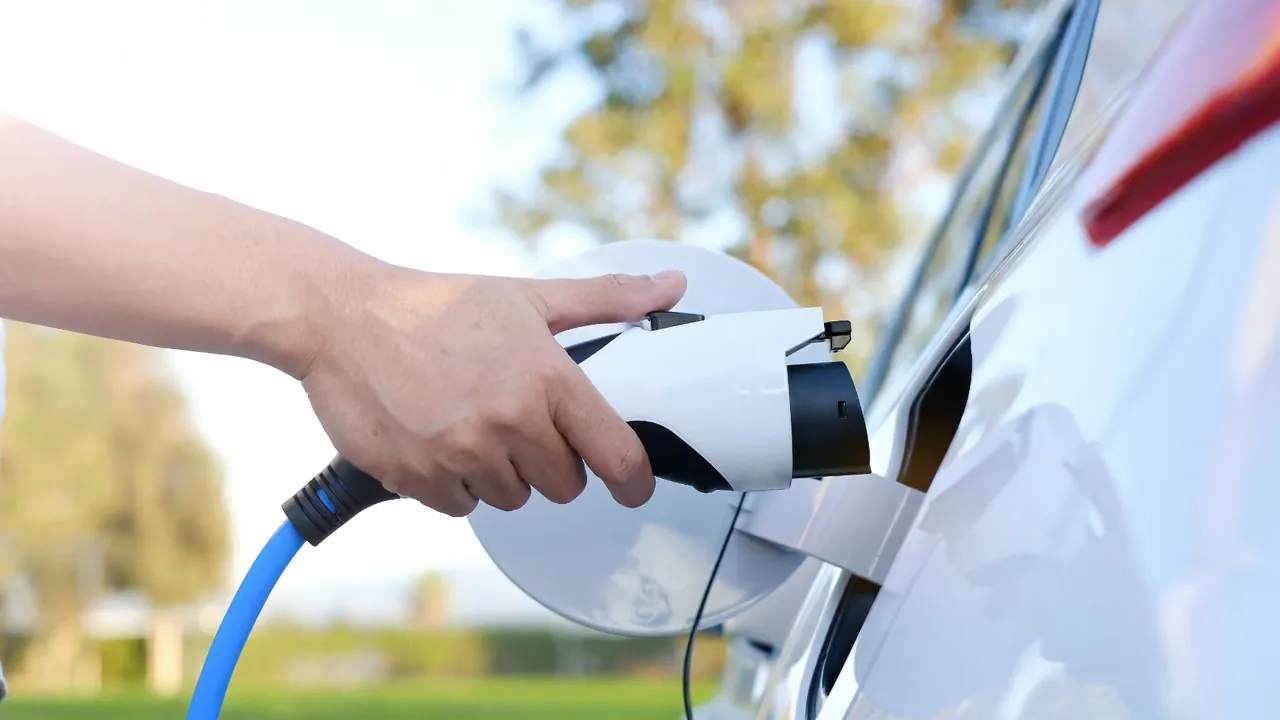


Optimizing EV Charging: Monitoring and Analysis
EV Charging Session Monitoring: Optimizing Demand Response and Energy Consumption
As the popularity of electric vehicles (EVs) continues to grow, so does the need for efficient and effective charging infrastructure. One crucial aspect of this infrastructure is the ability to monitor EV charging sessions. By tracking and analyzing data related to charging session demand response, energy consumption, and charging profiles, stakeholders can optimize the charging process and improve overall system performance.
Charging Session Demand Response
One of the key benefits of monitoring EV charging sessions is the ability to implement demand response strategies. Demand response refers to the ability to adjust electricity usage based on supply and demand conditions. In the context of EV charging, demand response can help manage peak loads and prevent grid overload.
By monitoring charging session data, utilities and grid operators can identify periods of high demand and incentivize EV owners to charge their vehicles during off-peak hours. This approach helps balance the load on the grid, reduces the need for expensive infrastructure upgrades, and promotes a more sustainable energy system.
Charging Session Energy Consumption
Understanding the energy consumption patterns of EV charging sessions is crucial for optimizing the charging infrastructure. Monitoring energy consumption data allows stakeholders to identify inefficiencies, detect faulty equipment, and make informed decisions regarding infrastructure upgrades.
By analyzing energy consumption patterns, charging station operators can identify opportunities for load balancing and implement smart charging strategies. For example, they can prioritize charging for vehicles with lower battery levels or distribute charging sessions evenly throughout the day to avoid peak demand periods.
Charging Session Charging Profiles
Every EV has its own unique charging profile, which refers to the specific charging characteristics of the vehicle. Monitoring charging profiles allows stakeholders to tailor the charging experience to each individual EV, ensuring optimal charging efficiency and battery health.
By analyzing charging profiles, charging station operators can adjust charging parameters such as voltage, current, and charging duration to match the requirements of different EV models. This customization not only improves the charging experience for EV owners but also reduces energy waste and extends the lifespan of the vehicle’s battery.
Conclusion
Monitoring EV charging sessions and analyzing data related to demand response, energy consumption, and charging profiles is essential for optimizing the charging infrastructure. By implementing demand response strategies, stakeholders can manage peak loads and prevent grid overload. Understanding energy consumption patterns helps identify inefficiencies and make informed decisions regarding infrastructure upgrades. Tailoring the charging experience to each individual EV through charging profiles improves efficiency and battery health. As the EV market continues to grow, investing in robust monitoring systems will be crucial to ensure a sustainable and efficient charging infrastructure.