

New Businesses Rise with EV Expansion
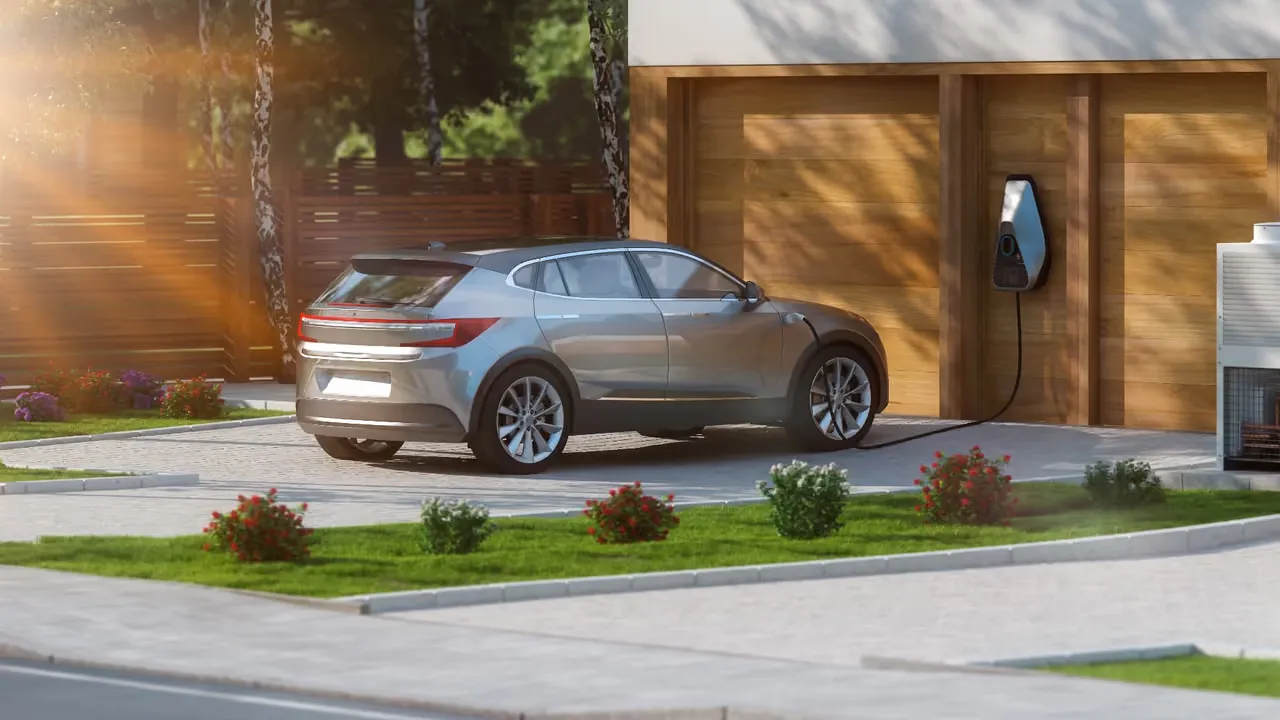
Picture a quiet small town nestled away from the urban hustle, where the gas station once served as a central hub for locals. Now, that same spot is transforming, with sleek electric vehicle (EV) chargers humming quietly and a new generation of businesses springing up around this shift. The rise of EVs isn't just an urban phenomenon; it’s quietly reshaping the infrastructure and economy of small towns in ways few expected.
The unique challenges and opportunities for EV adoption in small towns
Small towns face a different landscape when it comes to adopting electric vehicles. Unlike cities, where short commutes and dense populations make EVs a natural fit, rural and semi-rural areas often grapple with longer distances, limited charging options, and fewer financial incentives. The lack of fast chargers along country roads can make EV ownership seem impractical or risky to residents who rely on their vehicles for daily travel and work.
Yet, these challenges also open opportunities. For one, small towns typically have more space to install charging stations without the parking scarcity seen in urban centers. This can encourage innovative placement of chargers at supermarkets, community centers, and even farms, integrating EV infrastructure into the heart of everyday life. Moreover, residents often have strong community ties, which can accelerate grassroots support for EV adoption and infrastructure projects.
How EV infrastructure development is creating new local jobs and businesses
The rollout of EV infrastructure is doing more than just changing how people fuel their cars; it’s sparking economic growth in small towns. Installing and maintaining EV charging stations requires skilled labor, creating new job opportunities. Local electricians and contractors are finding fresh streams of work as demand for charging points climbs.
Beyond installation, new businesses are emerging around this green shift. Consider small towns that become charging hubs for travelers—they see increased foot traffic at local diners, shops, and lodging. Entrepreneurs are launching EV-related services such as mobile charging, EV maintenance, and even battery recycling. This diversification helps towns build a more resilient economy that’s less dependent on traditional industries.
Examples of local economic impact
- Charging station installation companies: Small businesses specializing in EV infrastructure are popping up, often hiring local talent and boosting the job market.
- Eco-tourism: Towns with reliable EV charging attract travelers who might otherwise bypass rural routes, benefiting local hospitality and retail.
- EV service centers: As EV ownership grows, local garages are retraining mechanics to service electric engines, keeping money within the community.
Community-led initiatives boosting EV use beyond cities
What’s truly remarkable is how many small towns are leading their own charge—literally. Community organizations, local governments, and citizens are coming together to push EV adoption forward. These initiatives often involve cooperative funding models where residents pitch in to build public charging stations, or local leaders partner with nonprofits to educate the community about EV benefits.
For example, some towns have launched car-sharing programs with electric vehicles, giving residents access without the upfront cost of buying an EV. Others have set up volunteer driver groups using EVs for essential trips like medical appointments. These grassroots efforts tailor solutions to the unique needs of rural life, making EVs more accessible and practical.
Such local initiatives also foster a sense of ownership and pride, turning EV adoption into a community achievement rather than a top-down mandate. This social momentum can be more powerful than any government rebate or policy.
The long-term economic and environmental impact on rural areas
The shift to electric vehicles promises profound economic and environmental benefits for small towns, but these rewards will unfold gradually. Economically, towns that embrace EV infrastructure early position themselves as future-ready, attracting investments, new residents, and businesses that value sustainability.
Environmentally, reducing reliance on fossil fuels lowers local pollution, improving air quality and health outcomes. For agricultural communities, this can mean less impact on crops and livestock from emissions. Additionally, many rural areas have access to renewable energy sources like wind and solar, which can power EVs sustainably and even create new revenue streams when excess energy is sold back to the grid.
Over time, these changes could help reverse the economic decline many small towns face, offering a path toward revitalization grounded in clean technology and local innovation. Electric vehicles are not just transforming transportation; they are quietly rewriting the future of rural America.