
Morning EV Charging Reflects Commute Choices
Electric vehicle charging stations are more than just spots where cars plug in—they’re windows into how people live, move, and organize their time. Watching when and where EVs charge reveals a hidden rhythm of daily life that often goes unnoticed. It’s not just about energy; it’s about patterns that reflect the evolving urban lifestyle and the choices commuters make every day.
Morning Charging Unveiling Commuter Patterns
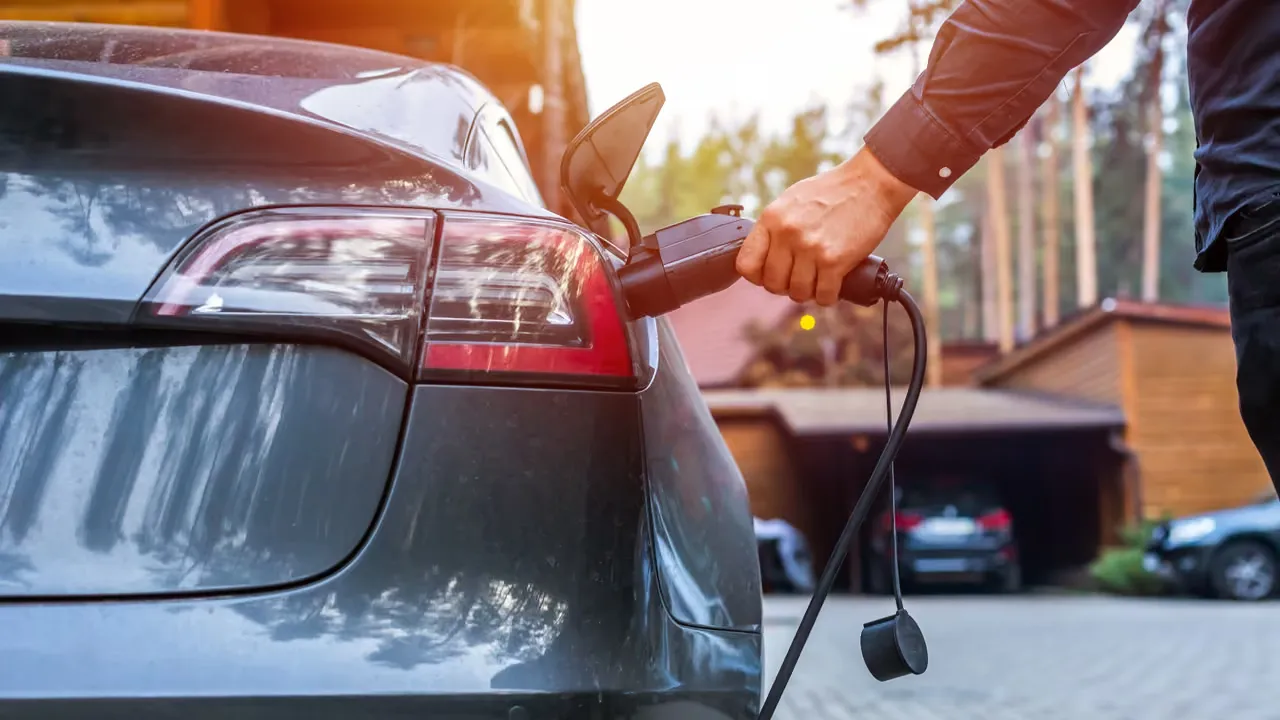
Early risers with electric vehicles often start their day by plugging in at home or at workplace chargers. This early morning charging reveals a lot about commuting habits. For many, a quick top-up before leaving for work is routine, especially for those with longer distances to cover or less range anxiety. It’s a practical move: plugging in overnight isn’t always enough, so a few extra minutes in the morning can make all the difference.
Public charging stations near transit hubs and office complexes see a surge between 6 a.m. and 9 a.m., marking the wave of commuters who rely on EVs. These stations aren't just refueling points; they’re signposts of urban mobility trends. The timing suggests that many drivers prefer to start their day fully charged rather than relying solely on overnight home charging. This behavior hints at a desire for flexibility—people want to be ready for unexpected errands or longer trips after work without worrying about battery life.
In cities with robust public transit and bike lanes, morning EV charging patterns show interesting contrasts. In neighborhoods with fewer alternatives, charging stations are busier early on, signaling reliance on private vehicles. Conversely, areas with diverse transit options see less morning charging demand, suggesting a more mixed approach to commuting. The data from these charging habits can guide local governments in targeting infrastructure investments more effectively.
Nighttime Charging and Residential Energy Use
Nighttime is the dominant window for EV charging, which is no surprise given the convenience of charging at home. But looking closer, the timing and intensity of this charging reveal broader patterns in residential energy consumption. Most EV owners plug in after dinner, around 8 p.m. to 11 p.m., aligning with when household electricity use peaks due to lighting, cooking, and entertainment.
This overlap raises important questions about grid management. Utilities must balance the extra load from EVs with existing residential demand, especially during winter months when heating adds strain. Smart charging solutions that delay or stagger EV charging overnight are becoming critical tools, encouraging drivers to charge during off-peak hours and easing grid pressure.
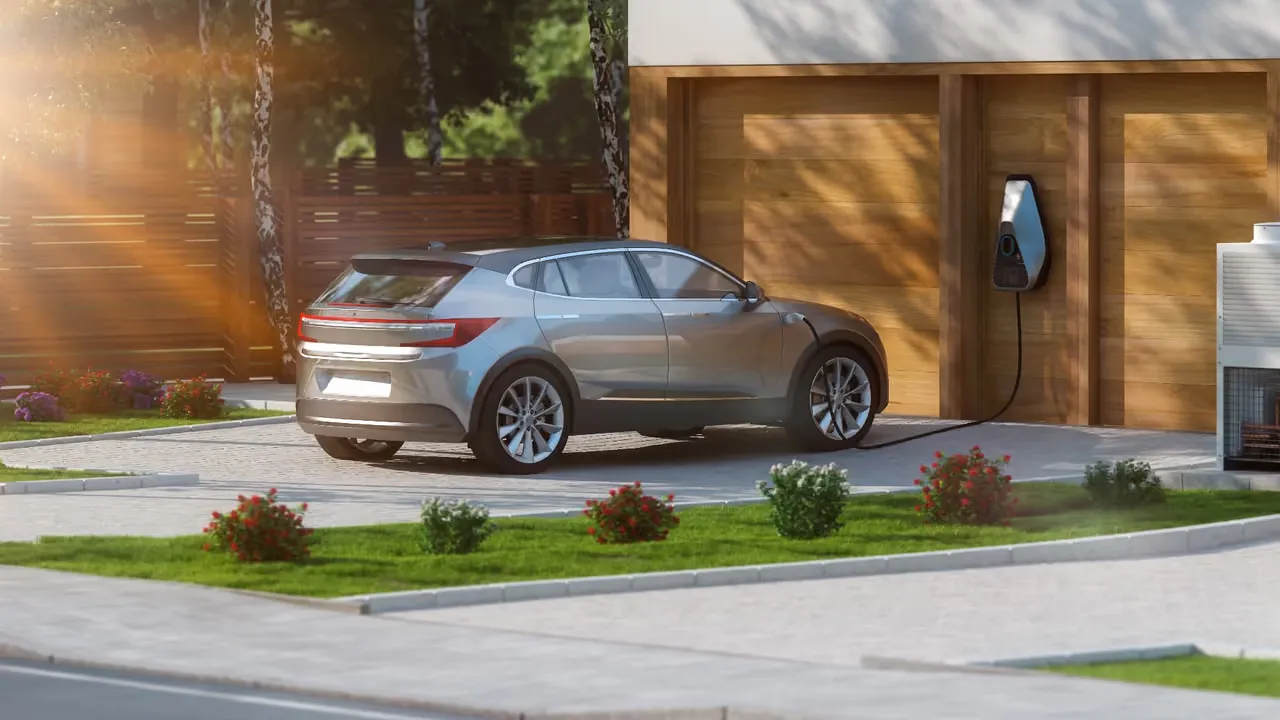
Residential charging also reflects lifestyle choices. Single-family homes in suburbs typically have private chargers and show consistent overnight patterns, while apartment dwellers rely more on public or shared chargers, resulting in more varied timing. These differences highlight equity issues—access to convenient charging can shape who benefits from EV adoption and how smoothly the transition to electric mobility proceeds.
Weekend Charging Leisure and Errands
Weekend charging tells a different story. Peaks spread throughout the day, not just morning or night. This pattern indicates that weekends are when people use their EVs for errands, leisure trips, and social visits—activities that break the weekday routine. Charging stations at shopping centers, parks, and entertainment venues see more traffic, reflecting a shift from necessity to lifestyle integration.
Longer charging sessions on weekends also suggest drivers take advantage of downtime to replenish their batteries fully, preparing for the week ahead. This leisurely charging contrasts with the more rushed, utilitarian weekday top-ups. It also points to a growing normalization of EV use—not just as commuter vehicles but as central to everyday life.
Weekend patterns can inform where cities place new chargers. Installing them in recreational and retail areas encourages EV adoption by making charging convenient during common social and shopping activities. It also supports local businesses by attracting eco-conscious customers who prefer locations with EV amenities.
Implications for Urban Planning and Infrastructure
Understanding when and where EVs charge isn’t just a curiosity—it’s crucial for designing cities that support sustainable transportation. Urban planners and utility managers can use charging data to predict demand, avoid bottlenecks, and optimize energy distribution.
For example, high morning demand near office parks calls for more workplace chargers and possibly incentives for staggered working hours to spread the load. Nighttime charging spikes highlight the need for home charging infrastructure and smart grid technologies that manage peak residential energy use.
Weekend charging trends emphasize the importance of integrating chargers into commercial and recreational zones, transforming them into hubs of activity that align with how people live outside the 9-to-5 grind. This approach promotes EV adoption by embedding charging into daily routines rather than making it a separate chore.
Moreover, the varied charging habits across neighborhoods expose inequalities in EV infrastructure access. Addressing these gaps requires targeted investments in multifamily housing and underserved areas to ensure electric mobility benefits everyone, not just those with private garages or affluent neighborhoods.
In essence, EV charging habits map out the contours of modern urban life—how we work, rest, and play. They offer a blueprint for cities aiming to become smarter, greener, and more responsive to the needs of their residents. The challenge lies in reading these patterns well and acting on them thoughtfully.