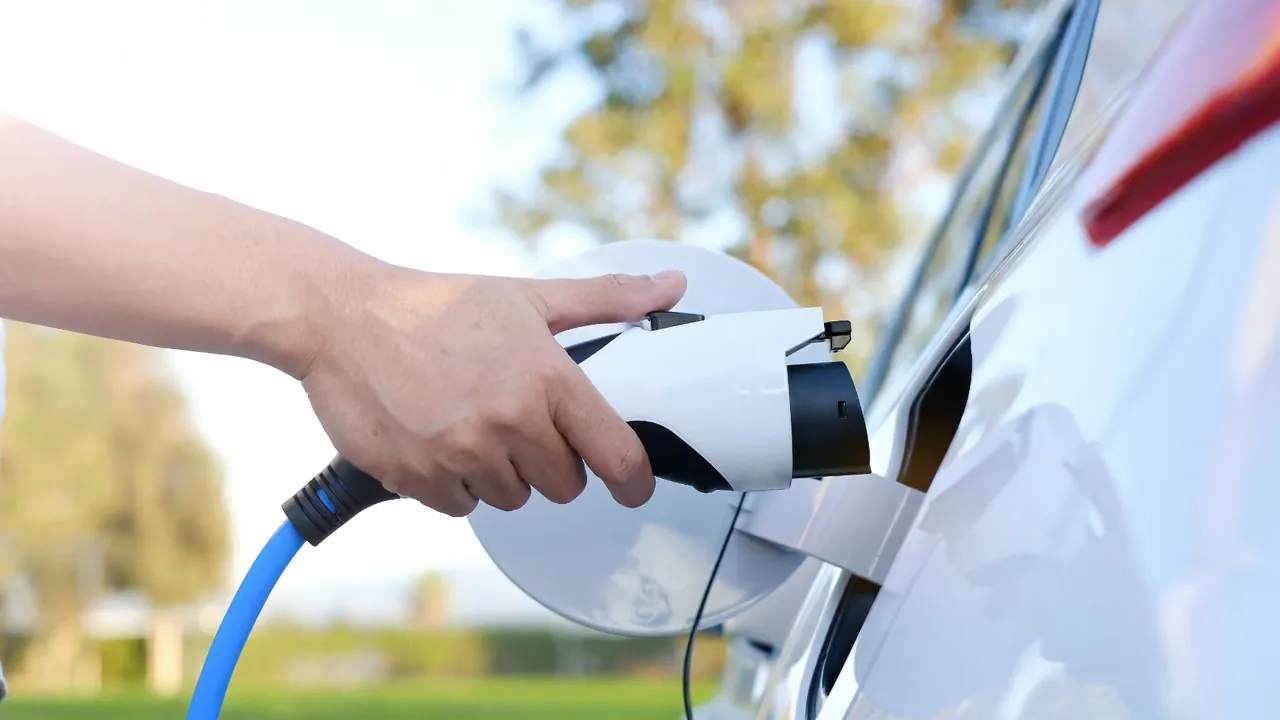


Monitoring EV Charging Infrastructure: A Sustainable Solution
EV Charging Infrastructure Monitoring: The Key to a Sustainable Future
As the world shifts towards a more sustainable future, electric vehicles (EVs) have emerged as a promising solution to reduce carbon emissions and combat climate change. However, the widespread adoption of EVs is heavily reliant on the availability and reliability of charging infrastructure. To ensure seamless charging experiences for EV owners, monitoring the charging infrastructure is of utmost importance. In this article, we delve into the significance of monitoring EV charging infrastructure and explore the key aspects of charging infrastructure service-level agreements, maintenance, and grid integration.
Charging Infrastructure Service-Level Agreements
Service-level agreements (SLAs) play a crucial role in defining the expectations and responsibilities of both the charging infrastructure providers and the EV owners. These agreements outline the quality and reliability of the charging services, ensuring that EV owners have access to functional and efficient charging stations.
SLAs should include metrics such as uptime, availability, and response time. By monitoring these metrics, charging infrastructure providers can identify potential issues and address them promptly, minimizing downtime and maximizing customer satisfaction. Furthermore, SLAs can also include provisions for regular maintenance and upgrades to ensure the longevity and efficiency of the charging infrastructure.
Charging Infrastructure Maintenance
Regular maintenance is vital to keep the charging infrastructure in optimal condition. Just like any other technology, charging stations require periodic inspections, repairs, and upgrades to guarantee their reliability and safety.
Monitoring the charging infrastructure allows providers to identify maintenance needs proactively. By collecting data on usage patterns, energy consumption, and performance, providers can schedule maintenance activities during periods of low demand to minimize disruptions for EV owners. Additionally, real-time monitoring enables providers to detect faults or malfunctions promptly and dispatch technicians to resolve the issues promptly.
Charging Infrastructure Grid Integration
Integrating charging infrastructure with the existing electrical grid is a critical aspect of ensuring its sustainability and efficiency. As the number of EVs on the road increases, the demand for electricity will surge, necessitating a robust grid infrastructure.
Monitoring the charging infrastructure’s impact on the grid is essential to prevent overloading and blackouts. By collecting data on electricity consumption, load balancing, and peak demand periods, providers can optimize the charging process and distribute the load evenly across the grid. This not only ensures a reliable power supply but also minimizes strain on the grid, reducing the need for costly infrastructure upgrades.
Furthermore, monitoring grid integration allows providers to explore opportunities for renewable energy integration. By analyzing data on solar or wind energy availability, providers can optimize charging schedules to align with periods of high renewable energy generation. This not only reduces carbon emissions but also promotes the use of clean energy sources.
Conclusion
Monitoring EV charging infrastructure is crucial to ensure a seamless and sustainable transition to electric mobility. By establishing robust service-level agreements, conducting regular maintenance, and integrating with the electrical grid, charging infrastructure providers can guarantee reliable and efficient charging experiences for EV owners. As the world embraces the electrification of transportation, monitoring the charging infrastructure will play a pivotal role in shaping a greener and cleaner future.