

Five Ways Charging Sparks Community Bonds
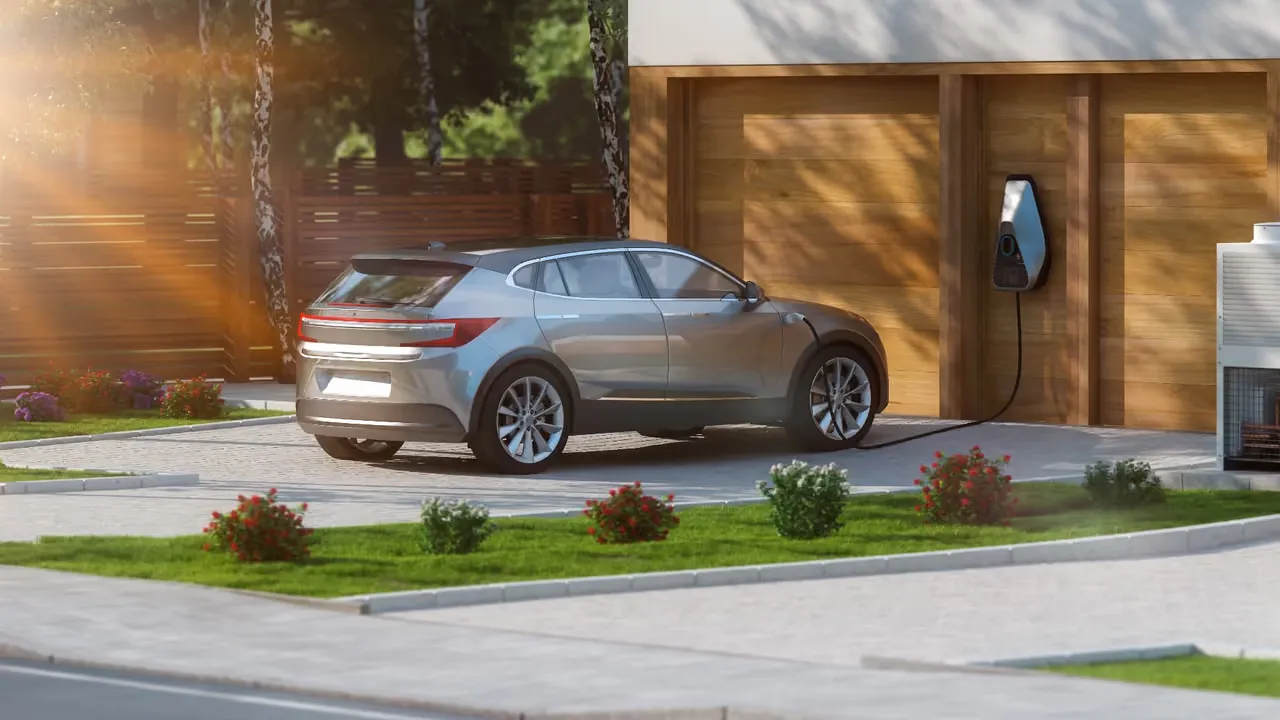
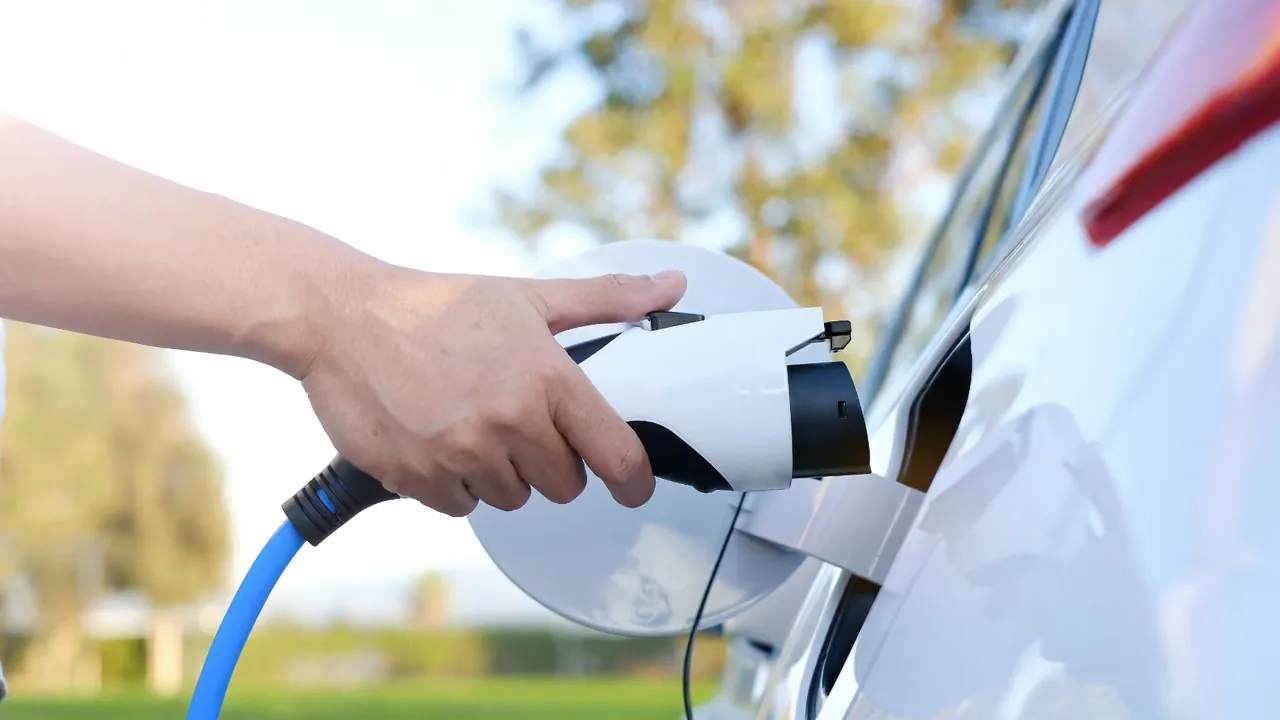
On a quiet evening in a bustling city neighborhood, you might notice something unusual: a small group of people gathered around a sleek electric vehicle (EV) charging station, chatting as their cars sip electricity. This scene, once unlikely, is becoming a familiar sight in urban areas. Far from just a point where batteries fill up, EV charging stations are emerging as new social spaces that subtly reshape how neighbors interact and communities connect.
Social Spaces Born from EV Charging Stations
Traditional fuel stations have never been places to linger. They’re about speed and convenience—fuel up and go. EV charging, by contrast, invites a pause. Whether it’s a 20-minute top-up or a longer charge, the wait time creates an unexpected opportunity for human interaction. Suddenly, charging points double as informal meeting spots where people exchange tips about their vehicles, share thoughts on sustainability, or simply engage in casual conversations.
Some neighborhoods have taken this a step further. In cities like Amsterdam and Portland, charging hubs are designed with seating, shade, and even small cafés nearby. These spots become more than just functional—they turn into micro-community centers where a shared interest in electric mobility sparks camaraderie. The EV charging station is no longer just infrastructure; it’s a social catalyst.
From Isolation to Connection
EV ownership itself appears to influence neighborhood dynamics. Unlike traditional car users who might rush home or park away from neighbors, EV drivers often find themselves spending more time at communal charging points. This repeated presence fosters familiarity. Neighbors recognize each other, exchange pleasantries, and sometimes even coordinate charging schedules—subtle acts that build a sense of belonging.
Moreover, the shared commitment to sustainable transport creates a common ground that transcends the usual small-talk. It encourages people to discuss broader topics like urban planning, environmental policies, or local energy initiatives. In some communities, this shared identity among EV owners has led to the creation of neighborhood groups focused on green living, further knitting residents together.
Community Initiatives Sparked by Electric Mobility
The rise of electric vehicles has inspired grassroots projects that go beyond individual ownership. In many urban neighborhoods, residents have banded together to install communal charging stations, especially in apartment complexes where private charging options are limited. These initiatives often require collective fundraising, negotiation with local authorities, and shared maintenance responsibilities—all acts that deepen community ties.
One striking example comes from a district in Berlin, where a residents' association spearheaded the installation of solar-powered charging points in their shared parking lot. The project not only reduced electricity costs but also became a hub for sustainability workshops and educational events. Such initiatives turn electric mobility into a springboard for wider community engagement, blending technology with social innovation.
In some cities, local governments have caught on to this potential. They support neighborhood EV projects through grants and public forums, encouraging residents to co-design charging infrastructure that reflects their collective needs. This participatory approach strengthens democratic engagement at the neighborhood level, making the shift to electric vehicles a community-driven process.
Electric Vehicles and Shared Mobility
Beyond private ownership, shared electric mobility services—like e-bike and e-car sharing programs—also reshape urban social landscapes. These services encourage people to engage with their neighborhoods differently, often through designated pick-up and drop-off points that become informal social nodes. Users might run into neighbors or strike up conversations about the convenience and challenges of shared electric transport.
Shared EV fleets often collaborate with local businesses and community centers, embedding themselves into the neighborhood fabric. This integration not only improves accessibility but also fosters a sense of collective responsibility for sustainable mobility solutions.
Future Prospects EVs as Catalysts for Urban Social Innovation
Looking ahead, electric vehicles could become even more entwined with the social life of cities. Imagine charging stations equipped with interactive screens displaying local news, event notices, or community projects. Or consider EV hubs designed as multi-purpose spaces combining mobility with co-working, cultural activities, or pop-up markets. These possibilities hint at a future where electric vehicles are not just transport tools but anchors for vibrant urban interaction.
Technological advances like vehicle-to-grid (V2G) systems could also play a role. If EVs become mobile energy assets, neighborhoods might coordinate charging and discharging schedules to optimize local power use, requiring new forms of communication and cooperation among residents. This could birth novel community roles, such as “energy ambassadors,” who help neighbors navigate the intersection of mobility and power management.
Electric vehicles are quietly rewriting the script of urban life. They invite us to pause, engage, and collaborate in ways that go beyond the individual driver experience. The hum of a charging EV is becoming a backdrop for a new kind of neighborhood rhythm—one that pulses with conversation, cooperation, and a shared journey toward sustainable cities.