
Fast Charging vs Slow Charging for Electric Vehicles
Fast Charging vs. Slow Charging for Electric Vehicles
When it comes to charging your electric vehicle (EV), one of the key decisions you’ll have to make is whether to opt for fast charging or slow charging. Both options have their pros and cons, and understanding the differences between them can help you make an informed choice that suits your needs.
Fast Charging
Fast charging, as the name suggests, allows you to charge your EV at a much quicker rate compared to slow charging. This is made possible by charging stations with higher power output, which can deliver a significant amount of energy to your vehicle in a short amount of time.
One of the main advantages of fast charging is the reduced charging time. With fast charging, you can top up your EV’s battery to a significant level in a matter of minutes, making it convenient for long journeys or when you’re in a hurry.
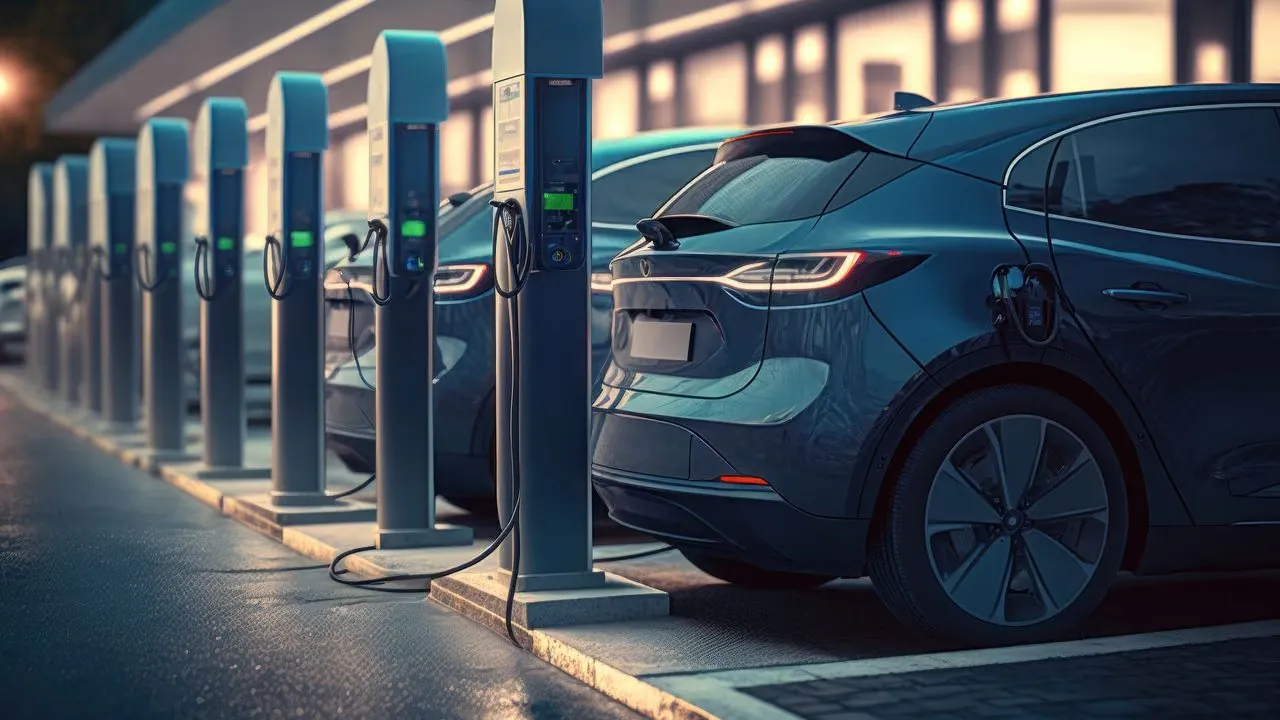
However, it’s important to note that fast charging stations are not as widely available as slow charging stations, so you may need to plan your routes accordingly to ensure you have access to fast charging when needed.
Charging Station Power Output
The power output of a charging station plays a crucial role in determining how quickly your EV can be charged. Fast charging stations typically have a higher power output, allowing for rapid charging speeds.
It’s essential to check the power output of the charging stations along your route to ensure they are compatible with your EV’s charging capabilities. This will help you avoid any unexpected delays or inconveniences during your journey.
Charging Time
The charging time for your EV will vary depending on whether you opt for fast charging or slow charging. With fast charging, you can expect to top up your battery to around 80% in as little as 30 minutes, while slow charging may take several hours to achieve the same level of charge.
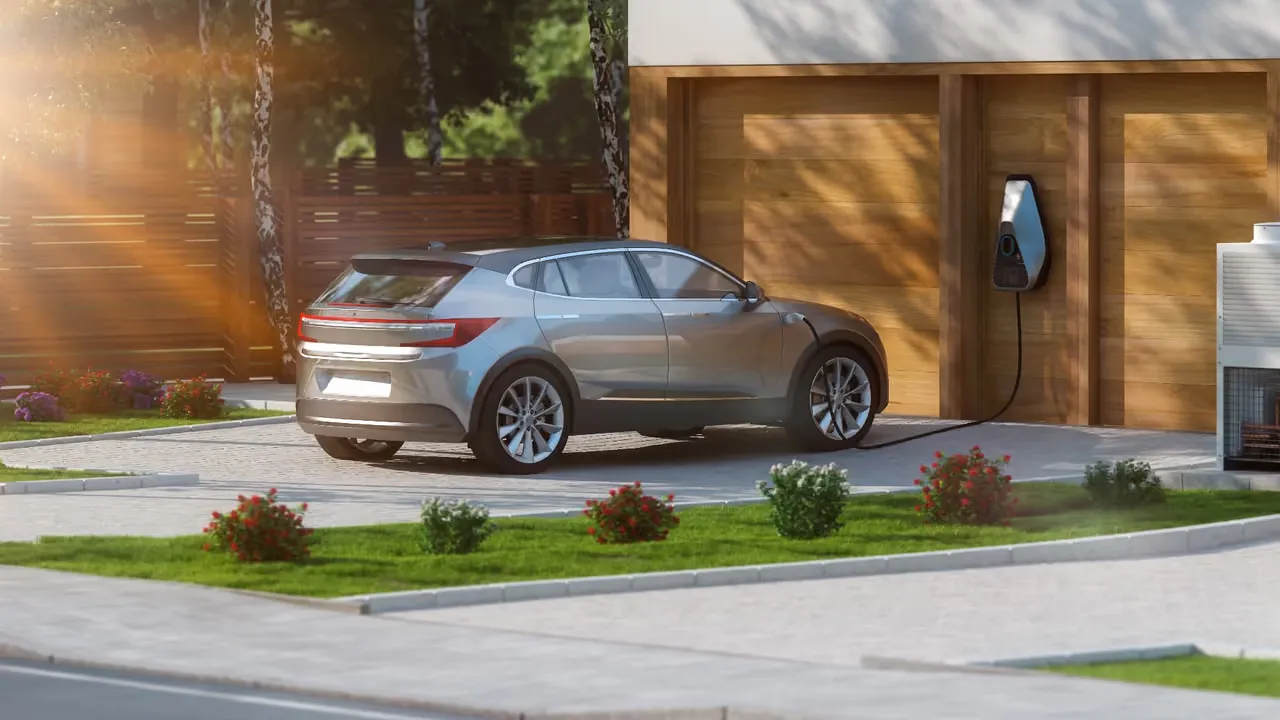
When deciding between fast charging and slow charging, consider your daily driving habits and charging needs. If you typically drive long distances or require quick top-ups, fast charging may be the more convenient option for you. On the other hand, if you have access to a dedicated charging point at home or work and don’t need to charge in a hurry, slow charging could suffice.
Ultimately, the choice between fast charging and slow charging for your EV comes down to your individual preferences and requirements. By weighing the advantages and disadvantages of each option, you can select the charging method that best aligns with your lifestyle and driving patterns.