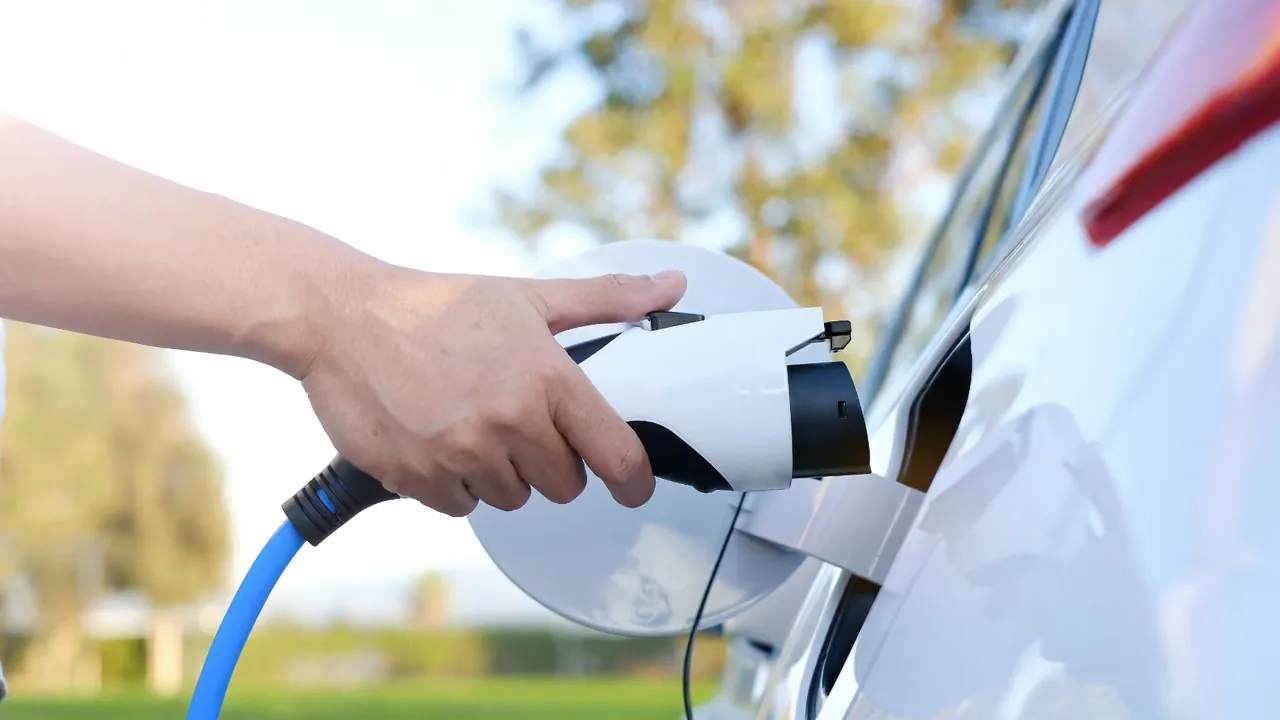


EV Charging Station Management: User, Monitoring, Revenue
EV Charging Station Management: A Closer Look at User, Monitoring, and Revenue Management
Electric vehicles (EVs) are becoming increasingly popular as more people recognize the importance of sustainable transportation. With the rise in EV adoption, the need for efficient and effective EV charging station management has also grown. In this article, we will delve into the key aspects of EV charging station management, including user management, monitoring, and revenue management.
User Management
One of the crucial elements of EV charging station management is user management. This involves creating a seamless experience for EV owners who rely on charging stations to power their vehicles. User management encompasses various aspects, such as user registration, authentication, and access control.
Charging station operators should prioritize user-friendly interfaces that simplify the registration process. By streamlining the registration process, operators can attract more users and encourage EV adoption. Additionally, implementing secure authentication methods ensures that only authorized users can access the charging stations.
Access control is another vital aspect of user management. Charging station operators can implement different access levels, such as public access or restricted access for specific users. This enables operators to cater to different user needs while maintaining control over the charging station’s usage.
Monitoring
Efficient monitoring plays a crucial role in ensuring the smooth operation of EV charging stations. Monitoring involves real-time tracking of charging station usage, availability, and performance. By closely monitoring these factors, operators can address issues promptly and optimize the charging station’s performance.
Real-time tracking of charging station usage allows operators to identify peak usage hours and plan accordingly. This data can help operators determine the optimal number of charging stations required at a specific location, reducing waiting times for users and enhancing overall user experience.
Monitoring the availability of charging stations is essential for users who rely on them for their daily commutes. Operators can implement systems that provide real-time information on available charging stations, allowing users to plan their charging stops efficiently.
Performance monitoring ensures that charging stations are functioning optimally. By tracking factors such as charging speed and power output, operators can identify any issues that may affect the charging process. Timely maintenance and repairs can then be scheduled, minimizing downtime and maximizing user satisfaction.
Revenue Management
While the primary goal of EV charging station management is to provide a reliable service to users, revenue management is also a crucial aspect. Operators need to ensure that their charging stations generate revenue to cover operational costs and encourage further expansion.
Implementing a robust revenue management system allows operators to track and optimize their charging station’s financial performance. This involves monitoring usage patterns, analyzing pricing strategies, and implementing payment systems.
By analyzing usage patterns, operators can identify peak hours and adjust pricing accordingly. This not only maximizes revenue but also encourages users to charge their vehicles during off-peak hours, balancing the load on the charging infrastructure.
Implementing convenient payment systems is essential for user satisfaction and revenue generation. Operators should offer multiple payment options, such as mobile apps, RFID cards, or credit card payments. This flexibility ensures that users can easily pay for the charging service, further encouraging EV adoption.
Conclusion
Effective EV charging station management involves user management, monitoring, and revenue management. By prioritizing user-friendly interfaces, real-time monitoring, and robust revenue management systems, operators can provide a seamless charging experience for EV owners. As the demand for EVs continues to grow, efficient charging station management will play a vital role in supporting sustainable transportation.