
EV Batteries Transforming Home Energy
Imagine a chilly winter evening when a sudden power outage plunges your neighborhood into darkness. The usual hum of heaters and kitchen appliances stops, and the cold starts creeping in. But inside your home, your lights stay on, the refrigerator keeps humming, and your electric vehicle (EV) quietly powers your essential needs. This is not a glimpse of a distant future — it’s happening now, as EV batteries transform from mere car components into vital energy hubs for homes and entire communities.
From Car to Power Source The Rise of Vehicle-to-Home Systems
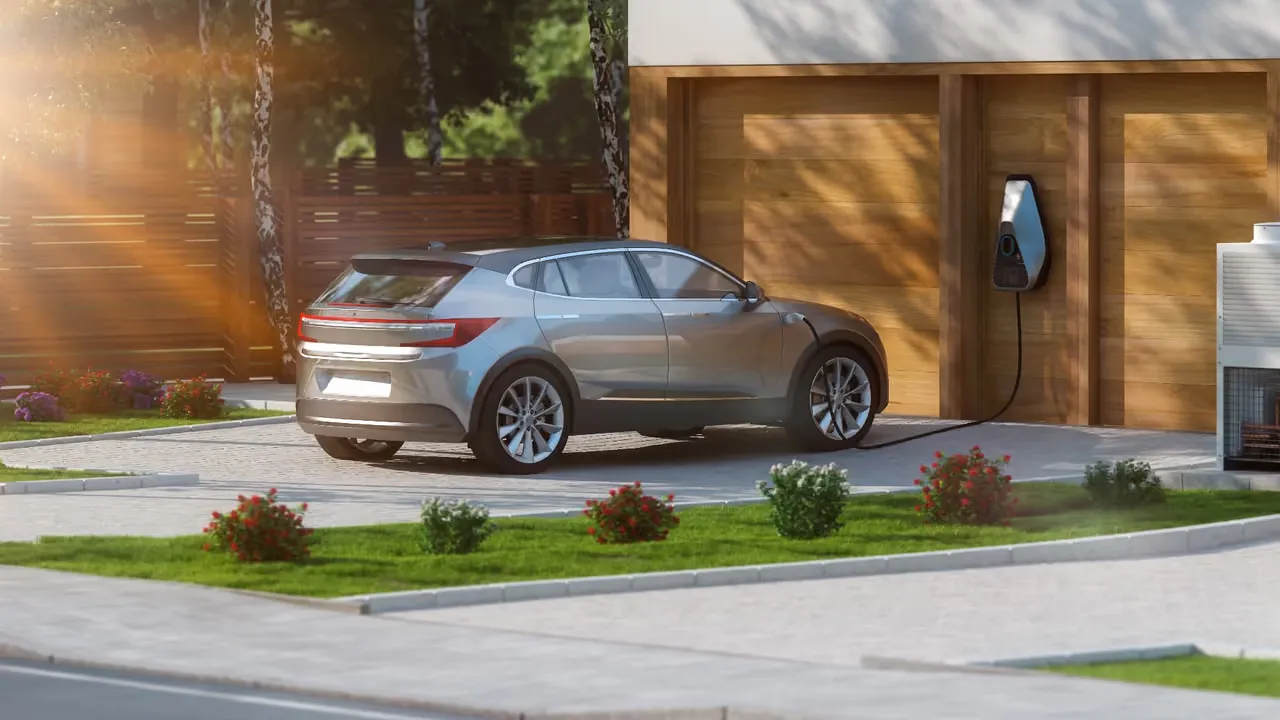
Electric vehicles have long been hailed for their zero-emission driving and sleek technology, but a new role is emerging: the EV as a mobile power station. This shift is powered by vehicle-to-home (V2H) systems, which enable EVs to send stored electricity back into a house, effectively acting as a backup generator during blackouts or peak electricity demand periods.
Unlike traditional gasoline generators, V2H systems are quieter, cleaner, and often more efficient. When connected via specialized bidirectional chargers, an EV’s battery can seamlessly deliver power to a home’s electrical panel. This reverses the usual flow of electricity, turning the car into a temporary energy source rather than just a consumer.
Homes equipped with solar panels can especially benefit, using the EV’s battery to store excess solar energy during the day and then draw on it at night or during outages. This synergy between solar and EV batteries is a game-changer for energy independence.
Community Resilience Through Vehicle-to-Grid Integration
Scaling up from individual homes, vehicle-to-grid (V2G) technology connects multiple EVs to the main power grid, allowing them to feed electricity back during peak demand or emergencies. This collective energy pooling can help stabilize the grid, reduce the risk of blackouts, and even facilitate faster recovery after natural disasters.
In some pilot programs, entire neighborhoods with high EV adoption have served as mini energy hubs. When the grid is stressed, the aggregated power stored in EV batteries can be dispatched to support local infrastructure like hospitals, schools, and emergency response centers.
Beyond emergency use, V2G offers grid operators a flexible resource to balance renewable energy fluctuations. Wind and solar can generate inconsistent power, but EV batteries act like giant buffers, soaking up excess energy when production is high and releasing it when it dips.
Economic and Environmental Benefits Beyond Driving
The financial upside of V2H and V2G is compelling. For EV owners, selling stored electricity back to the grid during peak times can offset charging costs or even turn a profit. This dynamic pricing model rewards drivers who charge during low-demand periods and discharge during high-demand hours.
For utilities and communities, tapping into distributed EV batteries reduces the need for costly peaker plants—power stations that only run when demand spikes. This not only lowers operational costs but cuts greenhouse gas emissions associated with fossil fuel peakers.
Moreover, by maximizing the use of renewable energy and reducing reliance on standby fossil fuel generators, V2H and V2G systems contribute to cleaner air and quieter neighborhoods. This technology turns everyday EV owners into active participants in the energy transition, blurring the line between consumer and producer.
Challenges and the Road Ahead for Mobile Energy Solutions
Despite the promise, several hurdles remain before mobile energy hubs become mainstream. One major challenge is battery degradation. Regularly cycling EV batteries to power homes or the grid can accelerate wear, potentially shortening their lifespan and affecting warranty coverage.
Another issue is infrastructure. Bidirectional chargers capable of handling V2H and V2G functions are still relatively rare and expensive. Additionally, integrating these systems with home electrical setups and utility grids requires complex communication protocols and regulatory approval.
Consumer acceptance also plays a role. Many EV owners may hesitate to use their vehicle’s battery for anything other than driving, fearing they might be left without enough charge. Education and incentives will be essential to encourage participation.
Finally, utility companies and regulators must develop new frameworks to handle this two-way energy flow, including pricing models, grid management, and safety standards. The technology is ready in many respects, but the ecosystem supporting it needs to catch up.
Still, as climate challenges intensify and energy demands grow, the concept of EVs as mobile energy hubs is gaining traction. It’s a fascinating twist on the electric vehicle story — one where your car is not just a mode of transport but a powerful ally in keeping the lights on.