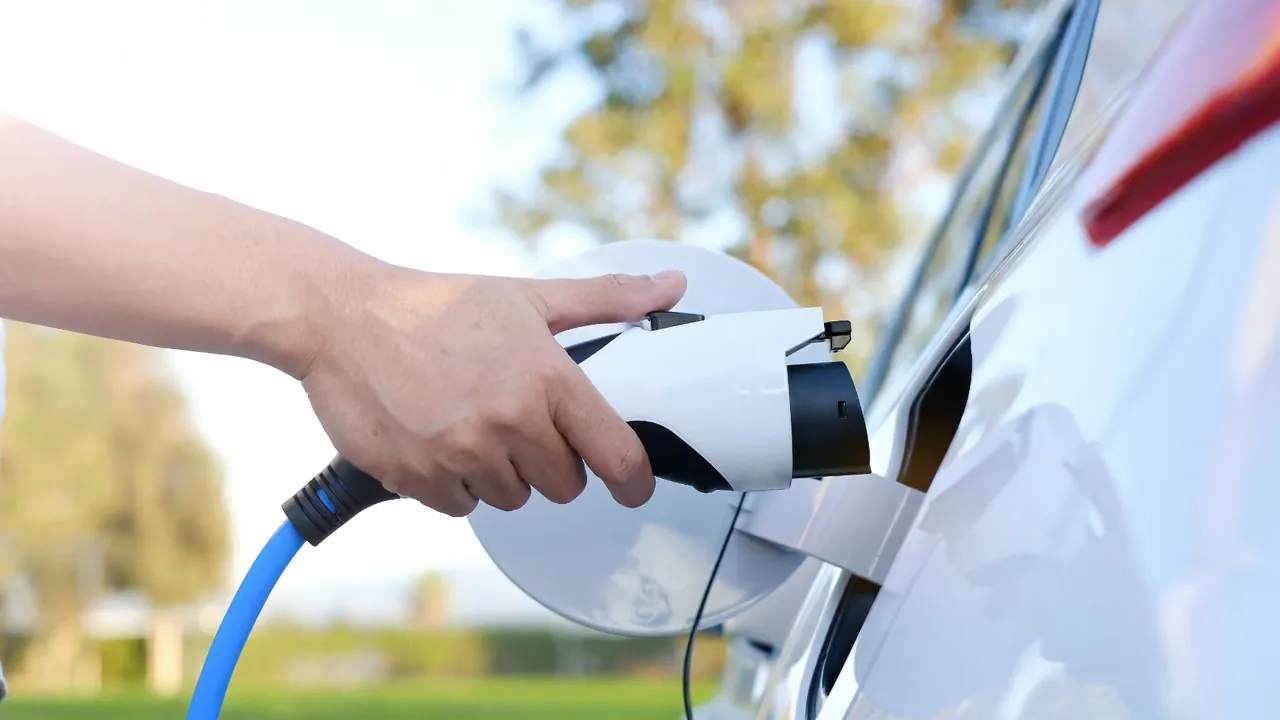


Essentials of EV Charging Station Management
EV Charging Station Management Made Easy
Welcome to the world of electric vehicle (EV) charging station management! As more and more people transition to electric vehicles, the need for efficient and reliable charging infrastructure is becoming increasingly important. In this article, we’ll explore the key aspects of managing EV charging stations, from diagnostics to connectivity and remote control.
Charging Station Diagnostics
One of the most critical components of managing EV charging stations is ensuring their proper functioning through regular diagnostics. By monitoring the health and performance of charging stations, operators can identify and address issues proactively, minimizing downtime and maximizing user satisfaction.
Charging station diagnostics involve checking various parameters such as power output, connectivity status, and hardware integrity. Through advanced monitoring systems, operators can receive real-time notifications about any abnormalities or malfunctions, allowing for swift intervention.
Charging Station Connectivity
Another essential aspect of EV charging station management is connectivity. In today’s interconnected world, charging stations must be seamlessly integrated into networks to enable efficient operation and monitoring.
Connectivity allows operators to remotely track the usage of charging stations, analyze data on energy consumption, and optimize charging schedules. Moreover, it enables EV drivers to locate and access available stations easily through dedicated apps or online platforms.
The ability to monitor and control charging stations remotely is a game-changer, offering operators unprecedented flexibility and efficiency in managing their charging infrastructure.
Charging Station Remote Control
Remote control capabilities are a key feature of modern EV charging station management systems. By leveraging remote control functionalities, operators can perform various tasks from a centralized location, eliminating the need for on-site interventions and reducing operational costs.
Remote control allows operators to start or stop charging sessions, adjust power settings, and troubleshoot issues without physically visiting each station. This not only streamlines maintenance processes but also enhances the overall user experience by ensuring that charging stations are always operational and ready for use.
Conclusion
Managing EV charging stations involves a combination of diagnostics, connectivity, and remote control functionalities. By implementing robust management systems that cover these aspects, operators can ensure the seamless operation of their charging infrastructure, providing a reliable and convenient charging experience for EV drivers.