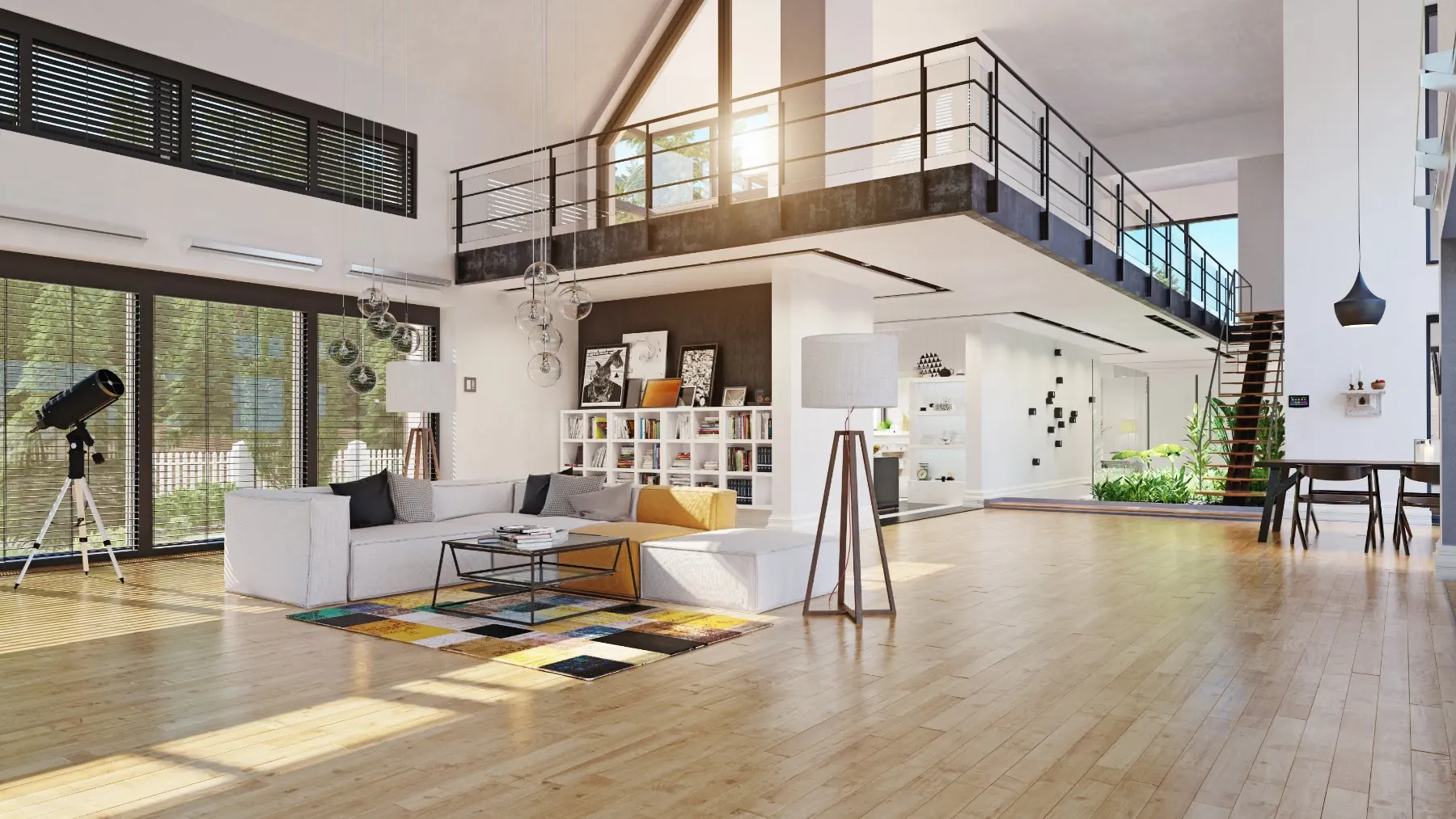


Energy Efficient Buildings: Towards Sustainability
Energy-efficient buildings: A step towards sustainability
As the world grapples with the challenges of climate change and depleting natural resources, the need for energy-efficient buildings has become more crucial than ever. Net-zero buildings, energy-efficient materials, and building energy codes are emerging as key solutions to reduce energy consumption and minimize environmental impact. In this article, we will explore these concepts and their significance in creating a sustainable future.
Net-zero buildings: A game-changer in energy efficiency
Net-zero buildings, also known as zero-energy buildings, are designed to produce as much energy as they consume over a given period. These buildings utilize renewable energy sources, such as solar panels and geothermal systems, to generate the required energy. At the same time, they employ various energy-saving techniques, including insulation, efficient lighting, and smart HVAC systems, to minimize energy demand.
The benefits of net-zero buildings are manifold. Firstly, they significantly reduce greenhouse gas emissions by relying on renewable energy sources instead of fossil fuels. Secondly, they help to alleviate the strain on the power grid by producing their own energy, thus enhancing energy security. Lastly, net-zero buildings can lead to substantial cost savings in the long run, as they rely less on external energy sources.
Energy-efficient materials: The foundation of sustainable construction
Energy-efficient materials play a vital role in constructing energy-efficient buildings. These materials possess properties that enhance insulation, reduce heat transfer, and optimize energy usage. Some commonly used energy-efficient materials include:
- Insulated concrete forms (ICFs): ICFs are blocks or panels made of foam insulation, which are filled with concrete. They provide excellent thermal insulation and reduce air leakage, resulting in reduced energy consumption for heating and cooling.
- Low-emissivity (Low-E) windows: Low-E windows have a special coating that reflects infrared light, keeping the interior cool in summer and warm in winter. They minimize heat transfer, thus reducing the need for artificial heating and cooling.
- Recycled and sustainable materials: Using recycled materials, such as reclaimed wood or recycled steel, reduces the environmental impact of construction. Additionally, sustainable materials, like bamboo or cork, have a lower carbon footprint and are renewable resources.
By incorporating energy-efficient materials into building design and construction, energy consumption can be significantly reduced, leading to both environmental and economic benefits.
Building energy codes: The regulatory framework for energy efficiency
Building energy codes are regulations that establish the minimum energy efficiency requirements for new construction and major renovations. These codes aim to ensure that buildings are designed and constructed with energy efficiency in mind. They typically cover aspects such as insulation, lighting, HVAC systems, and renewable energy integration.
Adhering to building energy codes is crucial for achieving energy efficiency goals. These codes not only help reduce energy consumption and greenhouse gas emissions but also promote occupant comfort and well-being. Additionally, they encourage innovation in building design and construction practices, driving the adoption of energy-efficient technologies and materials.
It is important for architects, engineers, and builders to stay updated with the latest building energy codes and comply with them to create sustainable and energy-efficient buildings.
Conclusion
Energy-efficient buildings are a cornerstone of sustainable development. Net-zero buildings, energy-efficient materials, and building energy codes are instrumental in reducing energy consumption, minimizing environmental impact, and promoting a greener future. By embracing these concepts and incorporating them into construction practices, we can pave the way towards a more sustainable and energy-efficient built environment.