
Energy Efficient Buildings: A Sustainable Approach
Energy-efficient Buildings: A Sustainable Approach to Architecture
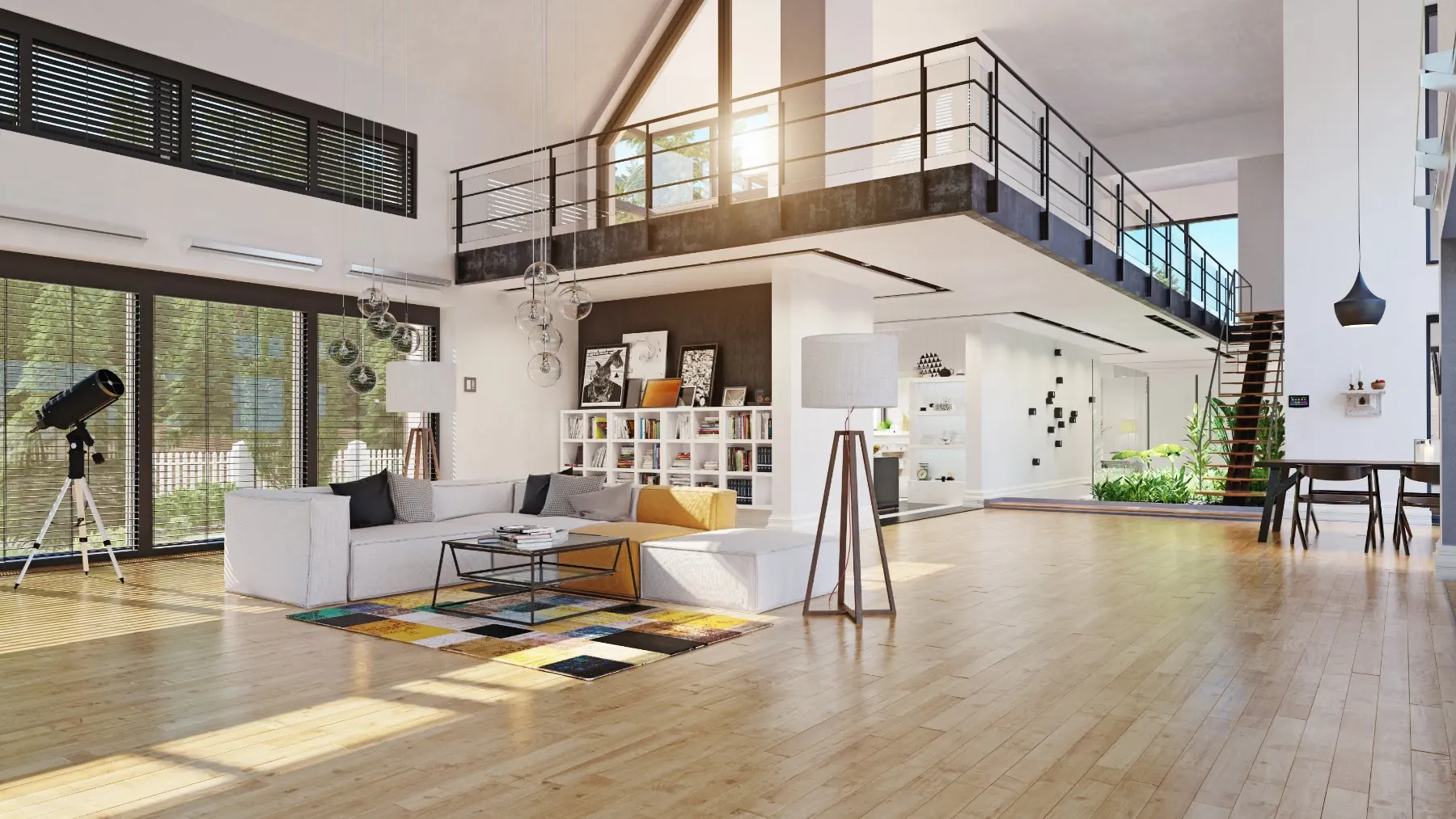
As the world becomes more conscious of the environmental impact of human activities, the construction industry has been embracing energy-efficient buildings as a sustainable solution. With the rising concerns about climate change and the depletion of natural resources, architects and engineers are now focusing on designing structures that minimize energy consumption and reduce carbon emissions. This shift towards energy-efficient architecture has been facilitated by the implementation of building energy codes, which set standards for energy performance in construction.
Building Energy Codes: Setting the Standards
Building energy codes are regulations that establish the minimum requirements for energy-efficient design and construction of buildings. These codes vary from country to country, but their primary goal is to reduce energy consumption and promote sustainability in the built environment. By adhering to these codes, architects and builders ensure that their projects are in line with the latest energy efficiency standards.
One of the key aspects addressed by building energy codes is the building envelope, which includes walls, roofs, windows, and doors. Improving the insulation of these elements helps to reduce heat transfer, thereby decreasing the need for heating and cooling systems. Additionally, building energy codes often require the use of energy-efficient lighting, HVAC systems, and appliances to further minimize energy consumption.
The Benefits of Energy-efficient Architecture
Energy-efficient architecture offers numerous advantages, both for the environment and building occupants. Let’s explore some of these benefits:
1. Reduced Energy Consumption
By implementing energy-efficient design strategies, buildings can significantly reduce their energy consumption. This not only helps to mitigate the environmental impact but also results in lower energy bills for the occupants. Energy-efficient buildings utilize renewable energy sources, such as solar panels and geothermal systems, to further decrease reliance on traditional energy sources.
2. Improved Indoor Comfort
Energy-efficient buildings prioritize thermal comfort by incorporating proper insulation, efficient HVAC systems, and natural ventilation. These measures ensure that occupants enjoy a comfortable living or working environment throughout the year, regardless of external weather conditions. Additionally, energy-efficient buildings often have better indoor air quality, which contributes to the overall well-being of occupants.
3. Environmental Sustainability
Reducing building energy consumption directly translates into a lower carbon footprint. Energy-efficient architecture helps to mitigate greenhouse gas emissions, combat climate change, and preserve natural resources. By embracing sustainable design practices, architects and engineers play a crucial role in creating a more sustainable future.
Challenges and Future Outlook
While energy-efficient buildings offer numerous benefits, there are still challenges to overcome. One of the main obstacles is the initial cost of implementing energy-efficient technologies and materials. However, it is important to note that these investments often pay off in the long run through reduced energy bills and increased property value.
Another challenge lies in the need for continuous innovation and improvement in energy-efficient design. As technology advances, architects and engineers must stay up-to-date with the latest developments and integrate them into their designs. Collaboration between professionals from various fields, including architecture, engineering, and renewable energy, is crucial for driving innovation and creating more sustainable buildings.
In conclusion, energy-efficient buildings are a sustainable approach to architecture that aims to minimize energy consumption and reduce the environmental impact of the construction industry. Building energy codes play a crucial role in setting the standards for energy-efficient design and construction. By embracing energy-efficient architecture, we can create buildings that not only benefit the environment but also provide comfortable and healthy spaces for occupants. As the world continues to prioritize sustainability, energy-efficient buildings will become the norm rather than the exception.