
Electric Vehicles: Driving the Future
Electric Vehicles: Driving the Future
Electric vehicles (EVs) have become a hot topic in recent years, with the electric vehicle market experiencing significant growth. As concerns about climate change and air pollution continue to rise, more and more people are turning to electric vehicles as a cleaner and more sustainable mode of transportation.
The Rise of the Electric Vehicle Market
The electric vehicle market has seen remarkable growth in the past decade. With advancements in EV battery technology, electric vehicles are now capable of longer ranges and faster charging times than ever before. This has helped to alleviate one of the major concerns that potential EV buyers had – range anxiety.
EV battery technology has come a long way, and it continues to improve. Lithium-ion batteries, which are commonly used in electric vehicles, have become more efficient and affordable. This has resulted in a decrease in the cost of electric vehicles, making them more accessible to a wider range of consumers.
Furthermore, governments around the world are offering incentives and subsidies to encourage the adoption of electric vehicles. These incentives, such as tax credits and rebates, have played a significant role in boosting the electric vehicle market. As a result, more and more people are considering making the switch to electric vehicles.
The Importance of EV Charging Infrastructure
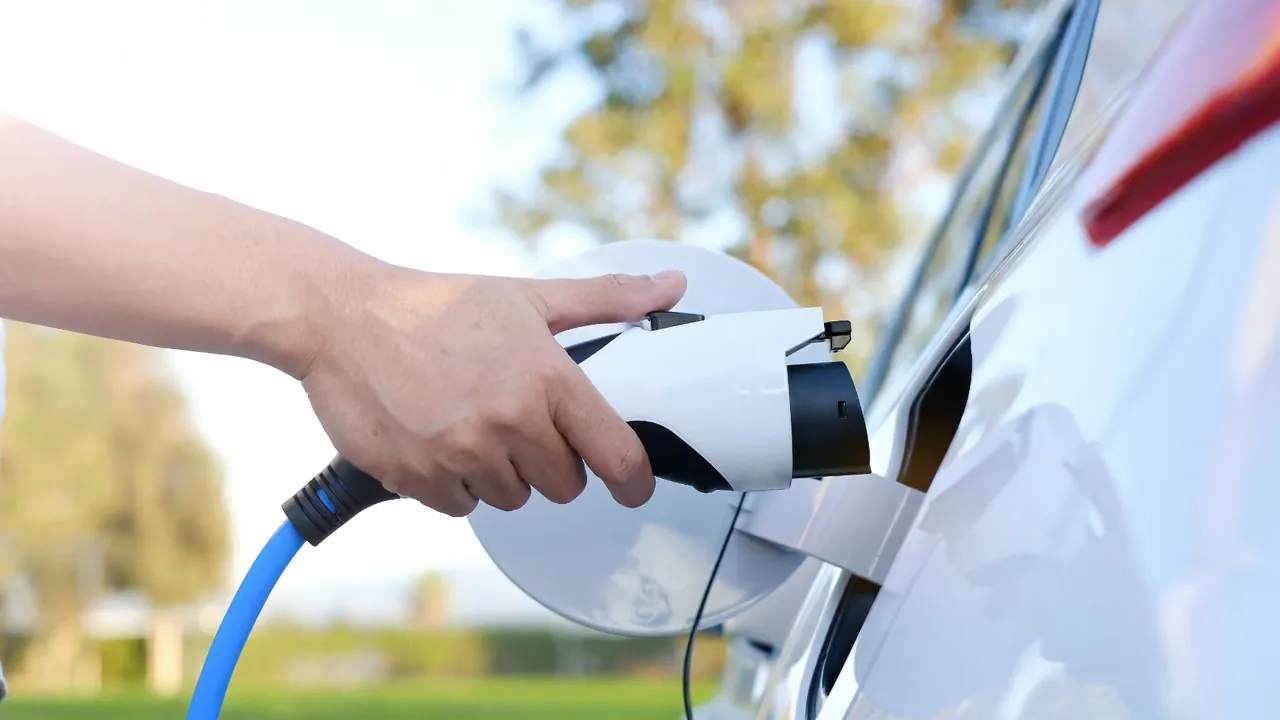
One of the key factors driving the growth of the electric vehicle market is the development of EV charging infrastructure. In order for electric vehicles to become a viable option for consumers, there needs to be a reliable and widespread network of charging stations.
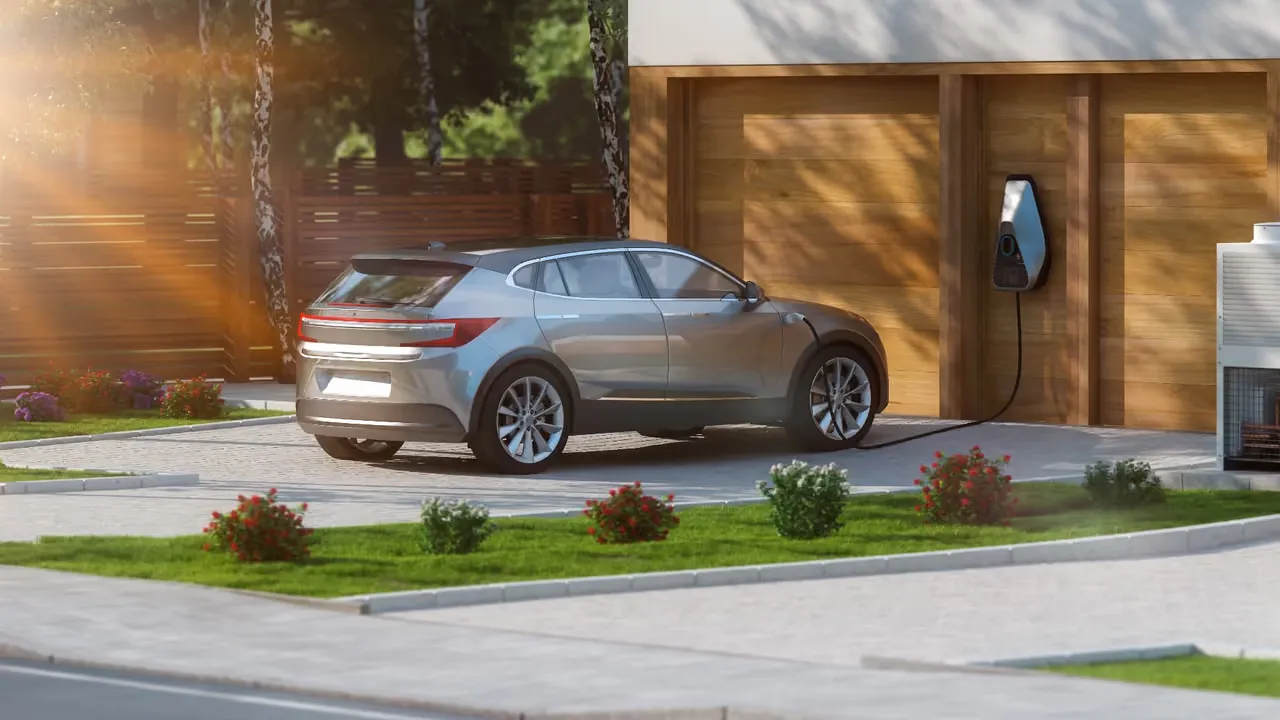
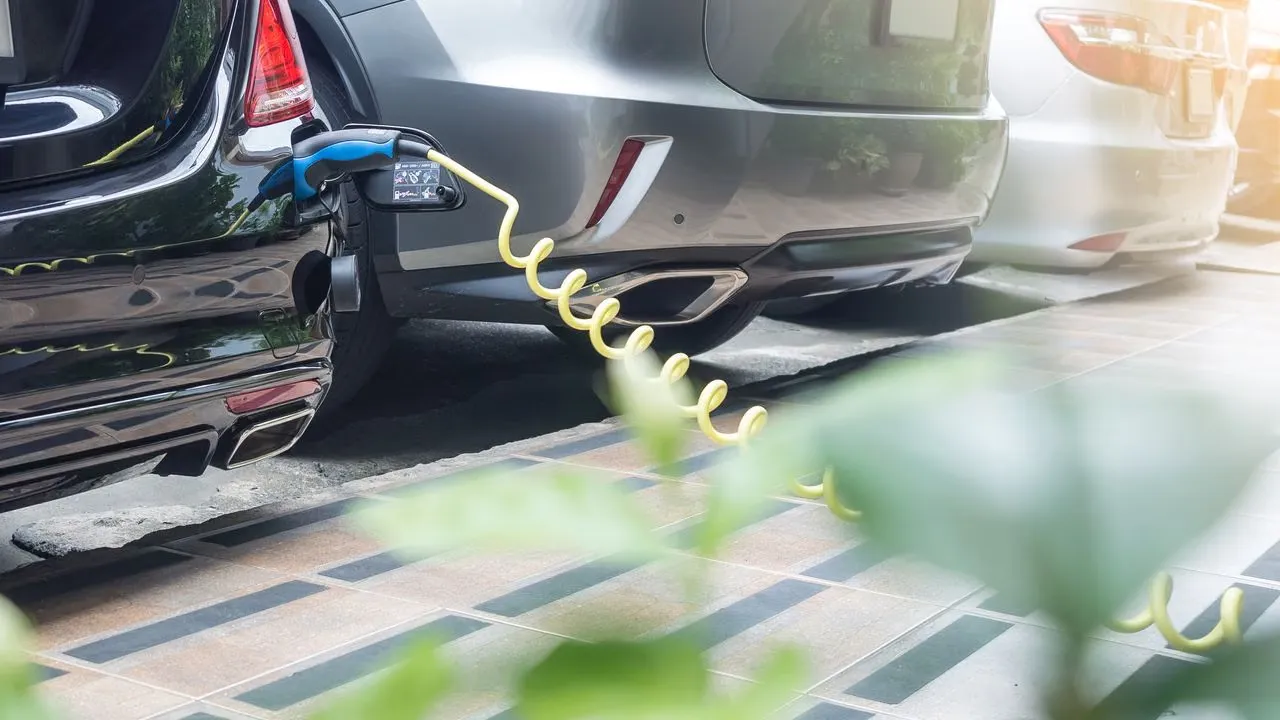
Fortunately, governments and private companies are recognizing the importance of EV charging infrastructure and are investing in its development. Charging stations can now be found in various locations, including parking lots, shopping centers, and even residential areas. This makes it easier for EV owners to charge their vehicles, regardless of where they are.
Fast-charging technology has also made significant advancements, allowing electric vehicles to be charged at a much faster rate. This means that drivers can spend less time waiting for their vehicles to charge and more time on the road.
The Benefits of Electric Vehicles
Electric vehicles offer numerous benefits over traditional gasoline-powered vehicles. Firstly, they produce zero tailpipe emissions, which helps to reduce air pollution and combat climate change. By driving an electric vehicle, you can contribute to a cleaner and healthier environment.
Secondly, electric vehicles are more energy-efficient than their gasoline counterparts. They convert a higher percentage of the energy from the grid to power at the wheels, resulting in lower energy consumption and reduced operating costs.
Lastly, electric vehicles are quieter and provide a smoother driving experience. The absence of a traditional internal combustion engine eliminates noise and vibrations, making for a more peaceful ride.
The Future of Electric Vehicles
The future of electric vehicles looks promising. As technology continues to advance, we can expect even more improvements in EV battery technology, resulting in longer ranges and faster charging times. Additionally, the development of wireless charging technology could revolutionize the way we charge our electric vehicles.
With the increasing demand for electric vehicles, we can also anticipate further expansion of the EV charging infrastructure. More charging stations will be installed, making it even more convenient for electric vehicle owners to charge their vehicles.
As we move towards a greener and more sustainable future, electric vehicles will play a crucial role in reducing our carbon footprint and improving air quality. With the ongoing advancements in EV battery technology and the development of EV charging infrastructure, electric vehicles are set to become the norm rather than the exception.