
Electric Vehicles: A Cleaner Future
Electric Vehicles: A Cleaner and Smarter Choice for the Future
With the increasing concern about climate change and the need to reduce greenhouse gas emissions, electric vehicles (EVs) have gained significant attention in recent years. As we strive for a greener and more sustainable future, it’s important to understand the impact of EVs on the environment, the development of EV charging standards, and the growing electric vehicle market.
Electric Vehicle Emissions: A Cleaner Alternative
One of the key advantages of electric vehicles is their lower emissions compared to traditional gasoline-powered cars. While it’s true that EVs still have an environmental impact, the emissions associated with electric vehicles are significantly lower.
Electric vehicle emissions primarily depend on the source of electricity used for charging. If the electricity comes from renewable sources like solar or wind, the emissions are close to zero. Even if the electricity is generated from fossil fuels, EVs still emit fewer greenhouse gases compared to internal combustion engine vehicles. This is because power plants are generally more efficient at converting fossil fuels to electricity than individual car engines are at burning gasoline.
Furthermore, EVs produce no tailpipe emissions, reducing air pollution in urban areas and improving overall air quality. This is particularly important in densely populated cities where air pollution is a major concern.
EV Charging Standards: Simplifying the Charging Process
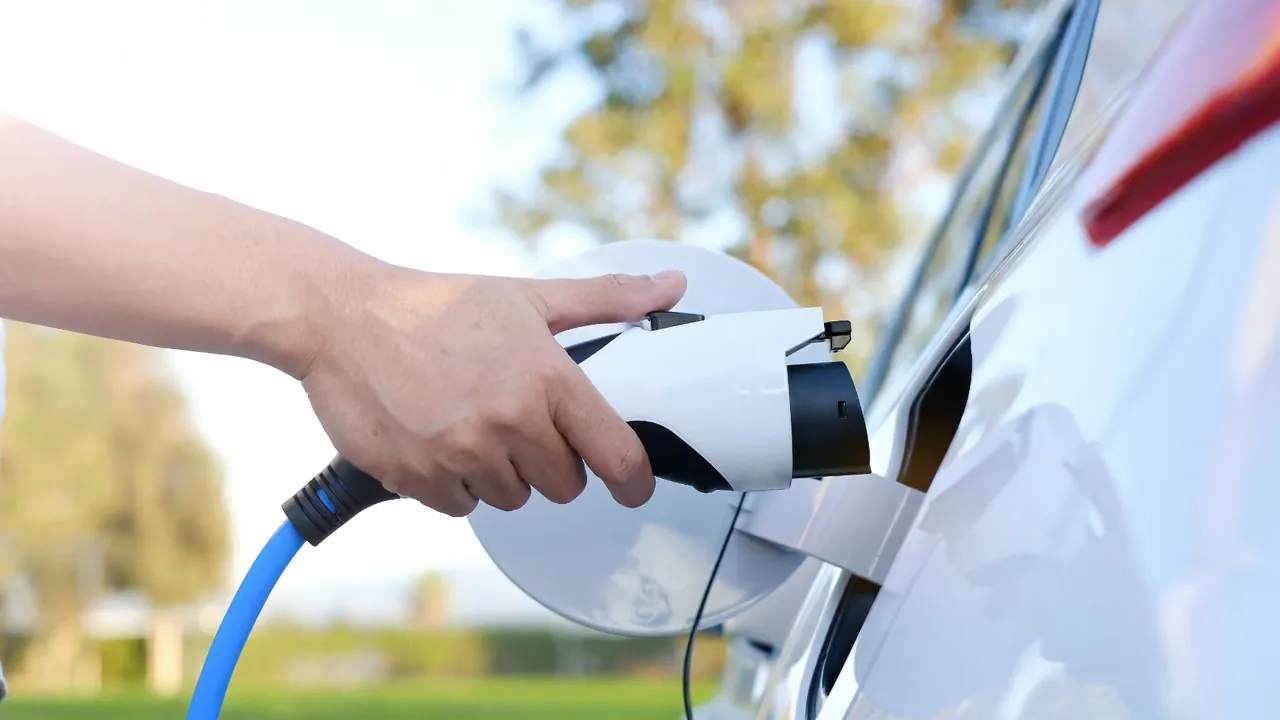
As the demand for electric vehicles continues to grow, the development of EV charging standards has become crucial. Standardization ensures compatibility and interoperability between different charging stations and electric vehicles, making it easier for EV owners to charge their vehicles anywhere.
The most widely adopted EV charging standard is the Combined Charging System (CCS), which incorporates both AC and DC charging. CCS allows for faster charging times and is supported by a wide range of automakers. Another popular standard is the CHAdeMO, primarily used by Japanese automakers.
Additionally, Tesla has its proprietary Supercharger network, which is compatible only with Tesla vehicles. However, Tesla has also made efforts to collaborate with other charging networks to promote interoperability.
Standardization not only simplifies the charging process but also encourages the growth of public charging infrastructure. As more charging stations become available, range anxiety – the fear of running out of battery – becomes less of a concern, further promoting the adoption of electric vehicles.
The Growing Electric Vehicle Market
The electric vehicle market has experienced significant growth in recent years, driven by advancements in technology, government incentives, and increased consumer awareness. As a result, major automakers are investing heavily in electric vehicle development and production.
In 2020, despite the challenges posed by the COVID-19 pandemic, global electric vehicle sales reached a record high. According to the International Energy Agency (IEA), electric vehicle sales increased by 43% compared to the previous year. This growth trend is expected to continue as more countries set ambitious targets to phase out internal combustion engine vehicles.
Moreover, the declining cost of battery technology has made electric vehicles more affordable and accessible to a wider range of consumers. As economies of scale are achieved in battery production, the prices of electric vehicles are expected to further decrease, making them even more competitive with traditional cars.
In conclusion, electric vehicles offer a cleaner and more sustainable alternative to traditional gasoline-powered cars. With lower emissions, simplified charging standards, and a growing market, electric vehicles are paving the way towards a greener future. As technology continues to advance and infrastructure improves, electric vehicles will play a vital role in reducing our carbon footprint and creating a more sustainable transportation system.