

Electric Vehicle Adoption Trends
Electric Vehicle Adoption Rates and Trends
Electric vehicles (EVs) have gained significant traction in recent years, with growing concerns about climate change and the need for sustainable transportation solutions. As a result, the EV market share has been steadily increasing, driven by various factors such as market trends and battery cost reduction.
EV Market Share
The EV market share has witnessed a remarkable surge in recent years. According to the International Energy Agency (IEA), global EV sales reached a record high of 2.1 million in 2019, representing a 40% increase compared to the previous year. This growth is expected to continue as governments and consumers alike recognize the environmental benefits and long-term cost savings associated with EVs.
In some countries, the adoption of EVs has been particularly impressive. Norway, for instance, leads the world in terms of EV market share, with electric cars accounting for over 50% of new car sales in 2020. This success can be attributed to a combination of strong government incentives, extensive charging infrastructure, and a supportive public attitude towards sustainable transportation.
Market Trends
Several market trends have contributed to the increasing adoption of EVs. One significant trend is the growing availability of electric vehicle models across different price ranges and vehicle types. Initially, EVs were primarily limited to higher-end luxury cars, but now a wide range of affordable options are available, making EVs more accessible to a broader consumer base.
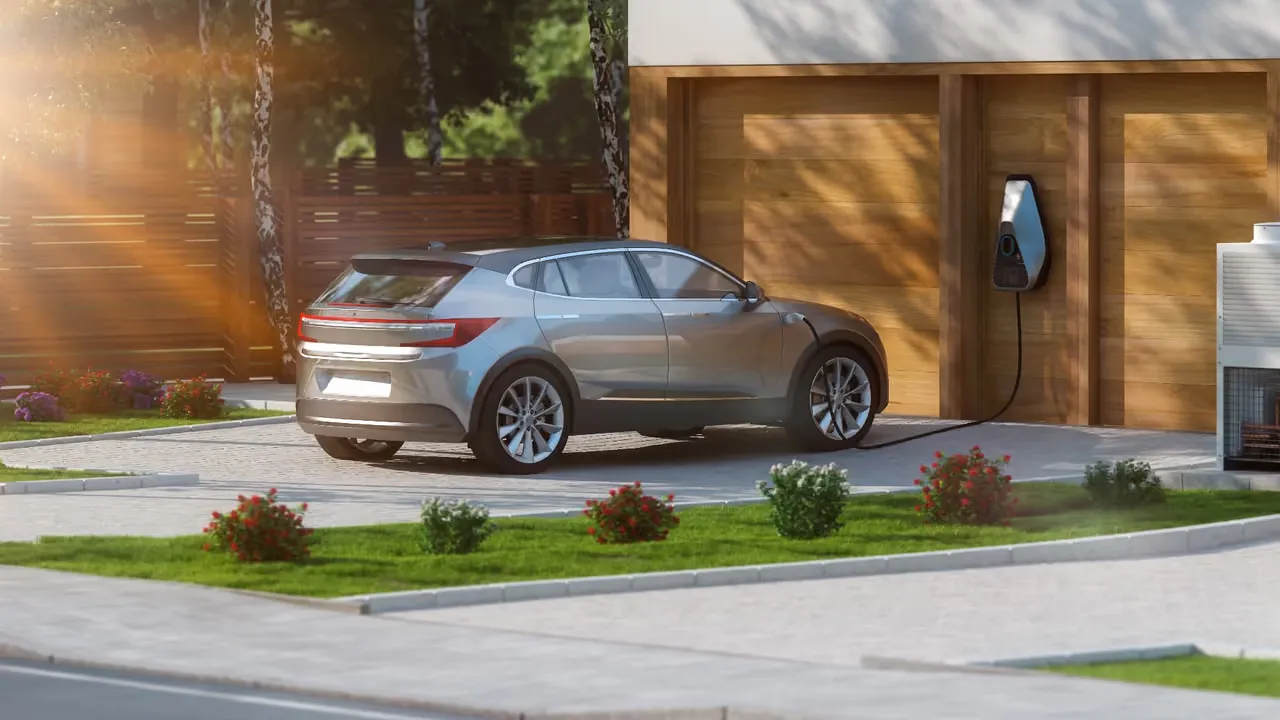
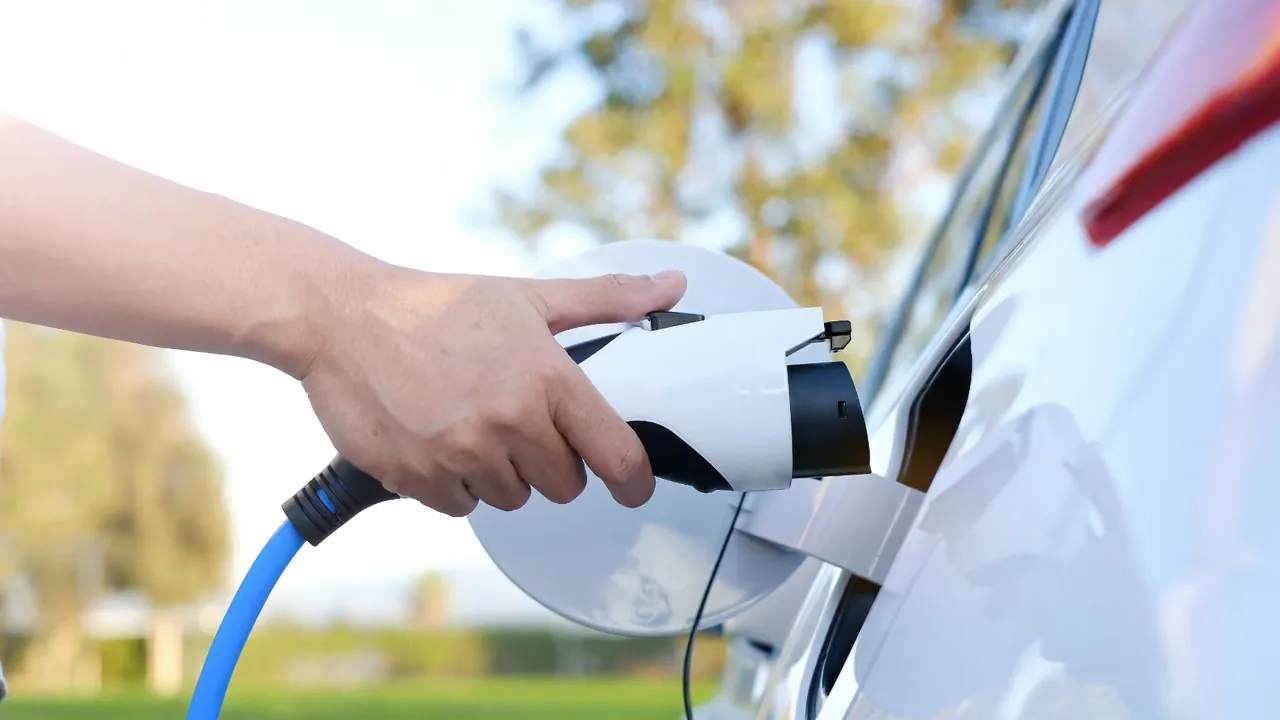
Another market trend driving EV adoption is the expansion of charging infrastructure. Governments and private companies are investing heavily in building charging stations, both in urban areas and along highways, to alleviate range anxiety and provide convenient charging options for EV owners. As the charging network continues to expand, it removes a major barrier to EV adoption and instills confidence in potential buyers.
Battery Cost Reduction
One of the most significant factors influencing EV adoption rates is the continuous reduction in battery costs. The cost of electric vehicle batteries has decreased significantly over the past decade, making EVs more affordable and competitive with traditional internal combustion engine vehicles.
Technological advancements, economies of scale, and increased investment in battery research and development have all contributed to the decline in battery costs. According to BloombergNEF, the average price of lithium-ion batteries used in EVs fell by 89% between 2010 and 2020. This reduction in battery costs has played a crucial role in making EVs a viable option for consumers, as it directly affects the overall purchase price and the total cost of ownership.
In addition to cost reduction, advancements in battery technology have also improved the performance and range of EVs. Modern electric vehicles can now travel longer distances on a single charge, addressing one of the initial concerns consumers had about limited range.
Conclusion
The increasing adoption rates of electric vehicles can be attributed to various factors, including the expanding EV market share, market trends, and battery cost reduction. As governments and consumers prioritize sustainability and recognize the long-term benefits of EVs, the electric vehicle industry is poised for continued growth. With ongoing advancements in technology and infrastructure, the future of transportation looks increasingly electric.