
Electric Cars: Reducing Emissions & Promoting Clean Energy
The Role of Electric Cars in Reducing Greenhouse Gas Emissions
As the world continues to grapple with the challenges of climate change, the need for a clean energy transition has become more urgent than ever. One of the key solutions to reducing greenhouse gas emissions lies in the widespread adoption of electric cars. These vehicles, powered by renewable resources, offer a promising path towards a greener and more sustainable future.
Why Electric Cars Matter
Transportation is a significant contributor to greenhouse gas emissions, with traditional gasoline-powered vehicles being a major culprit. The combustion of fossil fuels in these vehicles releases carbon dioxide and other pollutants into the atmosphere, contributing to global warming and air pollution. Electric cars, on the other hand, produce zero tailpipe emissions, making them a crucial part of the solution to combat climate change.
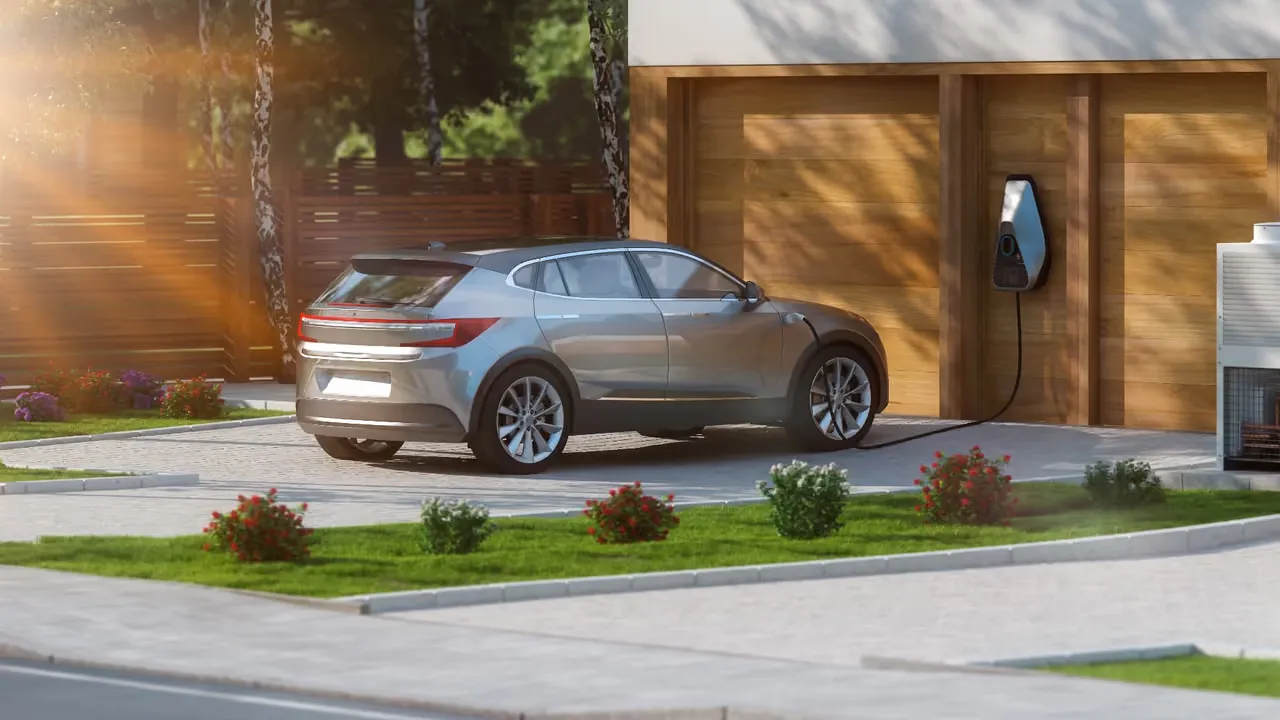
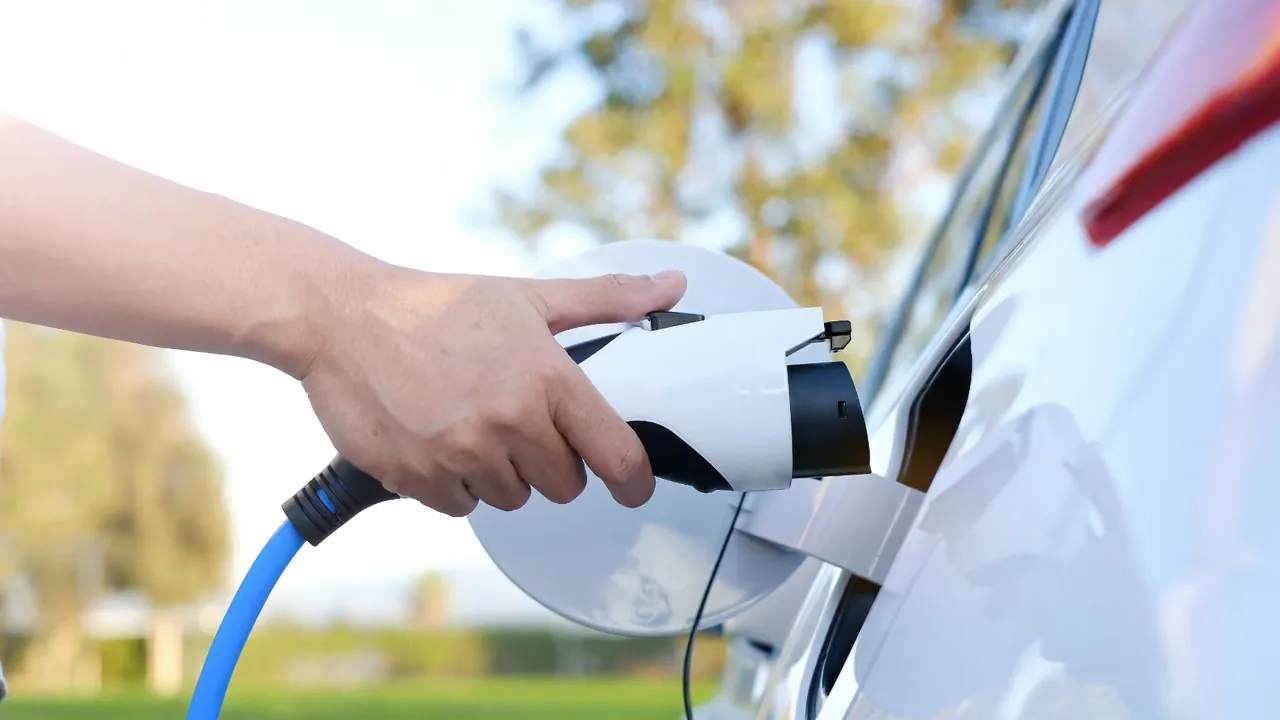
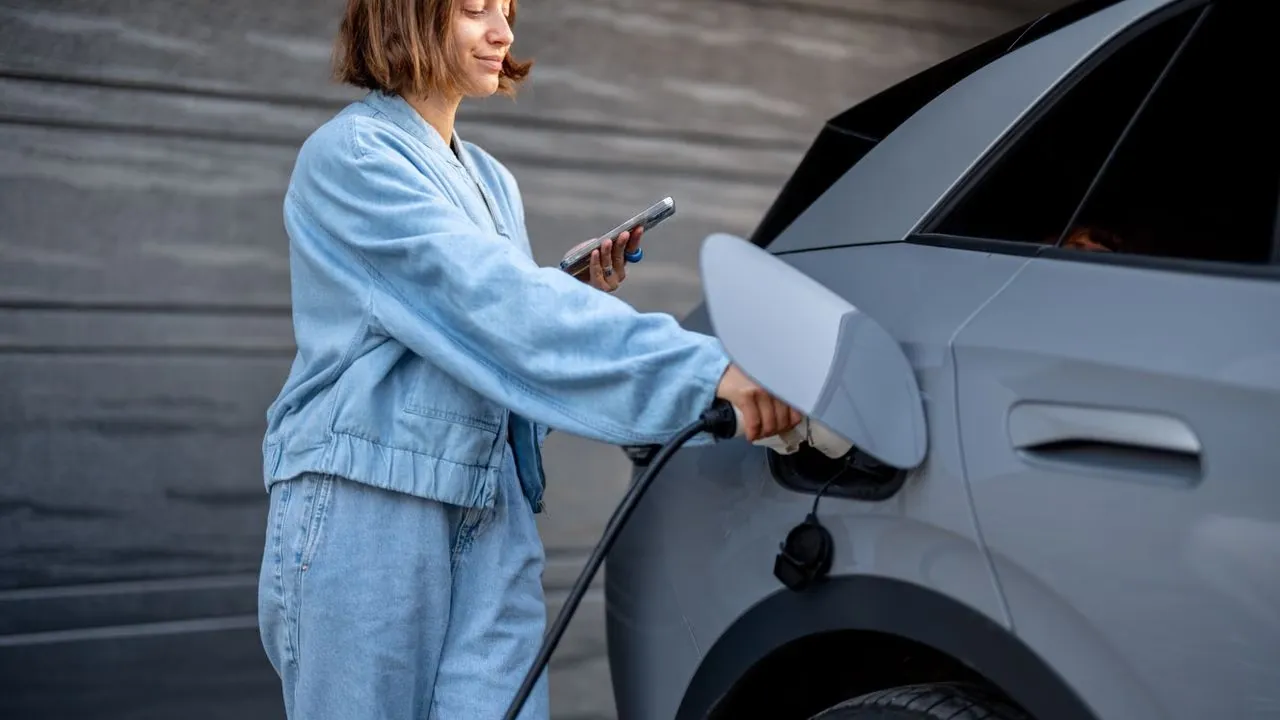
By transitioning to electric cars, we can significantly reduce our carbon footprint and improve air quality. The electricity used to charge these vehicles can be sourced from renewable resources such as solar, wind, or hydroelectric power, further enhancing their environmental benefits. This clean energy transition not only helps combat climate change but also reduces our dependence on finite fossil fuel resources.
The Environmental Impact
The environmental benefits of electric cars are far-reaching. By replacing conventional vehicles with electric alternatives, we can reduce greenhouse gas emissions and mitigate the harmful effects of climate change. According to studies, electric cars produce around 50% fewer greenhouse gas emissions compared to their gasoline counterparts over the course of their lifetime.
Furthermore, electric cars have the potential to improve air quality in urban areas. The combustion of fossil fuels in traditional vehicles releases pollutants such as nitrogen oxides and particulate matter, contributing to respiratory problems and other health issues. Electric cars, with their zero tailpipe emissions, help reduce air pollution, making our cities cleaner and healthier places to live.
The Advantages of Electric Cars
Aside from their environmental benefits, electric cars offer several advantages over traditional vehicles. Firstly, they are more energy-efficient, with electric motors converting around 90% of the energy from the battery to power the wheels, compared to just 20% for internal combustion engines. This efficiency translates to lower energy consumption and reduced operating costs for electric car owners.
Secondly, electric cars are quieter and provide a smoother driving experience. Without the noise and vibrations associated with internal combustion engines, electric vehicles offer a more serene and comfortable ride. Additionally, electric cars require less maintenance since they have fewer moving parts and don’t need oil changes or regular tune-ups.
The Future of Electric Cars
As technology continues to advance and battery costs decline, the future of electric cars looks promising. Governments and automakers around the world are increasingly investing in the development and production of electric vehicles, aiming to accelerate the clean energy transition. With more charging infrastructure being deployed and longer ranges offered by electric cars, range anxiety is becoming less of a concern for potential buyers.
However, to fully realize the potential of electric cars in reducing greenhouse gas emissions, it is crucial to continue investing in renewable energy sources. By expanding the use of solar, wind, and other clean energy technologies, we can ensure that the electricity used to power electric cars is truly emissions-free.
In Conclusion
Electric cars play a vital role in reducing greenhouse gas emissions and combating climate change. By transitioning to these vehicles and powering them with renewable resources, we can significantly reduce our carbon footprint and improve air quality. The advantages of electric cars, such as energy efficiency and lower maintenance costs, make them an attractive option for consumers. As we move towards a clean energy future, electric cars are poised to become a mainstream mode of transportation, paving the way for a greener and more sustainable world.