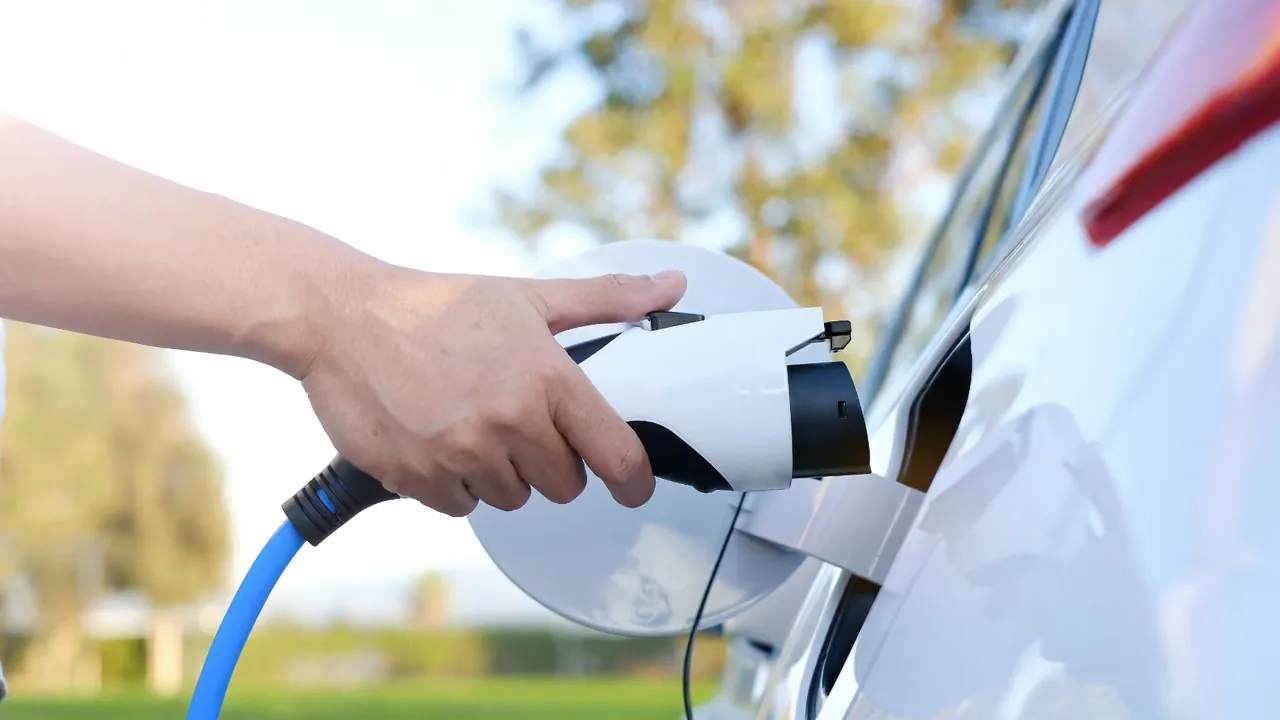


Efficient Monitoring for EV Charging Infrastructure
EV Charging Infrastructure Monitoring: Ensuring Efficient Power Usage and Maintenance
As electric vehicles (EVs) become increasingly popular, the need for a reliable and efficient charging infrastructure is paramount. EV charging stations are crucial for the widespread adoption of electric vehicles, but it is equally important to monitor and maintain these charging stations to ensure their optimal performance. In this article, we will explore the significance of monitoring EV charging infrastructure, including power usage, maintenance, and real-time monitoring.
Power Usage: Maximizing Efficiency
Efficient power usage is a key consideration when it comes to EV charging infrastructure. Monitoring the power usage of charging stations helps identify any inefficiencies or excessive energy consumption. By optimizing power usage, we can reduce operational costs and minimize the environmental impact of charging stations.
One way to monitor power usage is by installing smart meters at charging stations. Smart meters provide real-time data on energy consumption, allowing operators to identify patterns, peak usage times, and potential energy wastage. This information can be used to adjust charging schedules, implement load balancing, and optimize the overall power usage of the charging infrastructure.
Maintenance: Ensuring Reliability
Regular maintenance is essential for the smooth operation of EV charging infrastructure. Monitoring the maintenance needs of charging stations helps identify any potential issues before they escalate into larger problems. By addressing maintenance needs promptly, we can minimize downtime and ensure a reliable charging experience for EV owners.
Monitoring maintenance requirements can be done through a combination of manual inspections and automated monitoring systems. Regular inspections can identify physical damage, faulty connectors, or other issues that may affect the charging station’s performance. Additionally, automated monitoring systems can provide real-time data on various parameters, such as temperature, voltage, and current, allowing operators to detect any anomalies and take immediate action.
Real-Time Monitoring: Ensuring Availability
Real-time monitoring of EV charging infrastructure is crucial for ensuring its availability to EV owners. By monitoring the status of charging stations in real-time, operators can identify any faults or malfunctions and take immediate action to rectify the situation.
Real-time monitoring can be achieved through the use of IoT (Internet of Things) technology. By connecting charging stations to a central monitoring system, operators can receive real-time updates on the status of each station. This includes information on the availability of charging ports, charging speeds, and any errors or faults that may occur. With this information at hand, operators can quickly address any issues, ensuring a seamless charging experience for EV owners.
In Conclusion
Monitoring EV charging infrastructure is crucial for maximizing power usage efficiency, ensuring regular maintenance, and providing real-time availability. By implementing smart monitoring systems and utilizing real-time data, operators can optimize the performance of charging stations, reduce operational costs, and provide a reliable charging experience for EV owners. As the demand for electric vehicles continues to grow, investing in robust monitoring systems becomes increasingly important to support the widespread adoption of EVs.