
Charging Patterns Reveal Daily Life
It’s not just about plugging in and powering up. The quiet, routine act of charging an electric vehicle (EV) is turning into a fascinating window into how we live, work, and move through our days. As these silent machines sip electricity, they’re writing a subtle diary of human behavior that researchers and planners are just beginning to decode.
Mapping Charging Habits What EV Plug-ins Say About Our Daily Rhythms
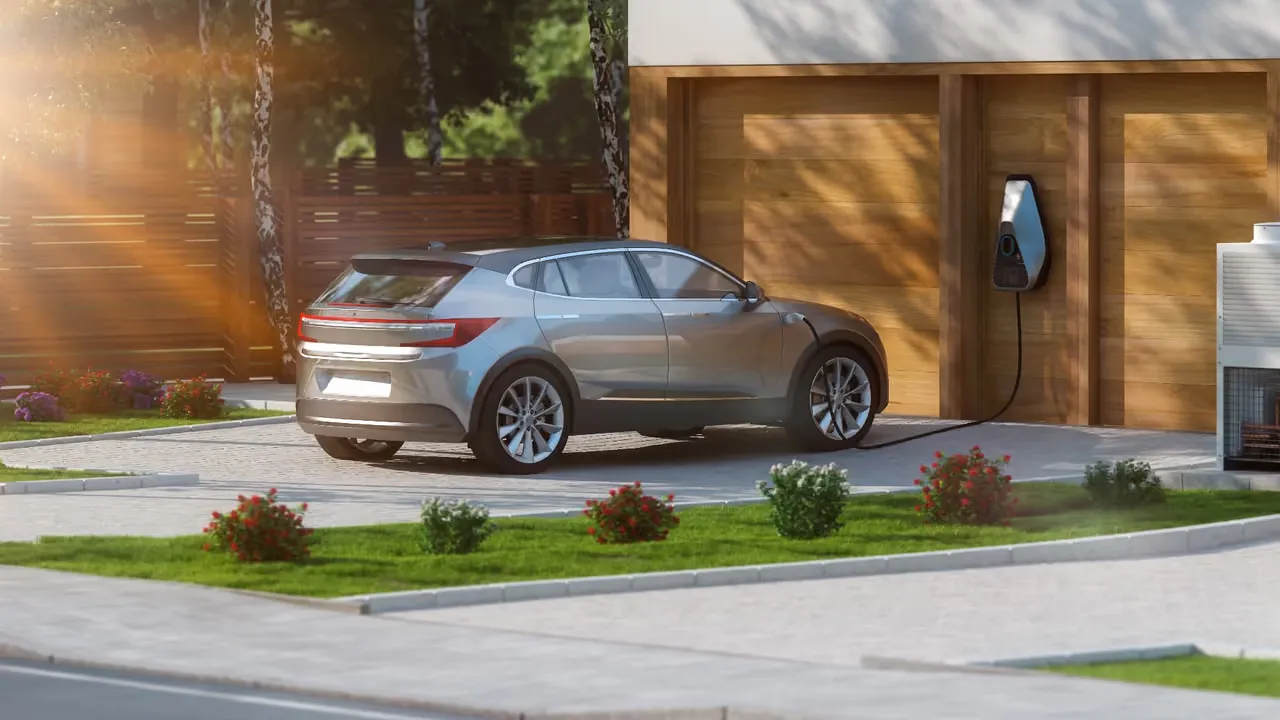
Look closely at when and where people charge their EVs, and patterns emerge that go far beyond fueling a car. Morning charges tend to cluster around home garages, signaling the start of a commute. Evening charges may stretch longer, reflecting not just the drive home but the time spent relaxing or running errands. Public charging stations often light up during lunch hours or after work, marking pauses in urban movement.
These patterns, tracked over weeks and months, sketch out the contours of daily life. Weekends show different rhythms: charging sessions may start later, last longer, and scatter across leisure destinations rather than office zones. Holidays and special events create spikes and dips, pinpointing shifts in social behavior and travel habits.
When Charging Becomes a Behavioral Map
- Early morning plug-ins suggest regular work schedules and predictable commutes.
- Midday charges often align with shopping, dining, or errands.
- Evening sessions indicate home arrival and the unwinding phase.
- Weekend changes reveal leisure patterns and social outings.
This trove of data is not just a convenience metric for EV manufacturers or utilities; it’s a subtle chronicle of how people organize their hours, their priorities, and their social calendars.
EV Charging as a Mirror of Work-Life Balance and Social Activities
The location and timing of charging can reveal much about the elusive concept of work-life balance. For example, increased charging at workplaces with EV stations hints at longer office hours or flexible schedules that keep cars parked and charging for stretches. Conversely, a surge in public charging near gyms, parks, or entertainment venues during evenings and weekends signals shifts toward active, socially connected lifestyles.
EV charging logs also highlight the nuances of urban social life. Shared charging points in residential neighborhoods may foster unexpected interactions, turning mundane charging stops into social hubs. In some communities, the arrival of a new public charger can stimulate local commerce, with nearby cafes or shops benefiting from the dwell time of waiting drivers.
And let’s not forget the subtle signals about economic and environmental awareness. Consistent use of home solar panels combined with EV charging patterns can indicate households deeply invested in sustainability. In contrast, sporadic public charging might suggest range anxiety or access challenges, reflecting broader social and infrastructural divides.
Data Privacy and Ethics Who Watches the Charging Logs
Such rich insights don’t come without concerns. Behind every charging session is data—timestamps, locations, even individual usage habits. Who owns this data? How is it stored and protected? The question of privacy looms large in this electrified landscape.
Utility companies, charging networks, researchers, and even local governments have stakes in this information. But transparency about data use often lags behind technology adoption. If charging logs become too detailed or accessible, they could inadvertently reveal personal schedules, frequented places, or other sensitive details.
Some regions are already wrestling with regulations to safeguard EV user privacy, but the pace of data generation challenges lawmakers. Ethical frameworks must evolve to ensure that the benefits of analyzing charging patterns do not come at the expense of individual freedoms or anonymity.
Future Possibilities Using Charging Data to Improve Urban Planning and Services
Imagine a city where EV charging data helps design smarter public transport routes, predict peak demand for energy, or identify underserved neighborhoods. Urban planners could leverage these insights to optimize infrastructure investments or tailor services to actual human behavior rather than guesswork.
Charging patterns might also influence the placement of new commercial zones, residential developments, or green spaces. Utilities could better balance grid loads and integrate renewable energy sources by anticipating when and where electricity demand will spike.
On a more personal level, apps could provide drivers with real-time advice on where to charge based on community patterns, reducing wait times and improving convenience. Even emergency services might tap into charging data to understand population flows during crises.
In short, the humble act of plugging in an EV is becoming a data point with ripple effects reaching far beyond the garage. As we charge our cars, we’re also charging the future of how cities understand and serve their citizens.