
Can Vehicle to Grid Tech Transform Power
Watching an electric vehicle silently glide down the street is a glimpse of the future many embrace for its environmental promise. But for those who own one, the daily reality often hinges more on practical details than on emissions stats. How efficiently you charge your EV at home, how your local grid handles the extra load, and how you manage costs with variable electricity rates all shape the ownership experience in ways that rarely make headlines.
Maximizing Home Charging Efficiency Tips and Tools
Charging your EV at home isn’t as simple as plugging it in and walking away. Efficiency matters because it affects how quickly your battery fills up, how much electricity you waste, and ultimately, your electricity bill.
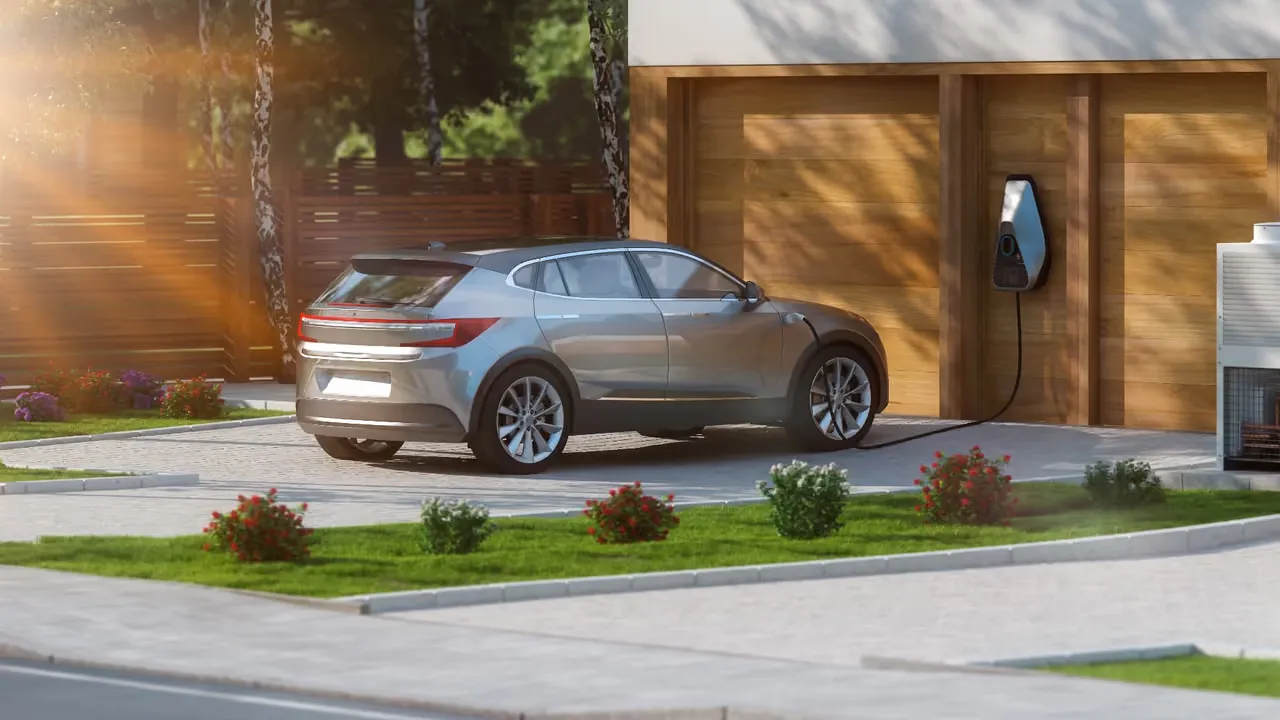
- Invest in a Level 2 Charger: While a standard 120V outlet will get the job done, it’s painfully slow. A Level 2 charger (240V) significantly cuts charging time, often fully charging an EV overnight. Installation costs can be hefty but worth it if you drive daily.
- Optimize Charger Placement: The shorter the cable run between your charger and your car, the less energy is lost. Also, keep the charger in a sheltered spot to protect it from weather, which can affect performance.
- Use Smart Chargers: These devices communicate with your home network or smartphone, allowing you to schedule charging during off-peak hours or pause charging remotely. Some even adjust power levels dynamically for better efficiency.
- Monitor Charging Habits: Apps and chargers with real-time data help you see exactly how much energy is going into your battery and when. This insight helps fine-tune your routine to avoid overcharging and wasted energy.
Understanding EVs Impact on Local Electrical Grids
Many new EV owners don’t consider that their vehicle is essentially a giant battery plugged into the grid. This can strain local electrical infrastructure, especially in neighborhoods where EV adoption spikes quickly.
- Peak Demand Issues: If many residents charge their cars during the same evening hours, the local transformer can become overloaded, risking outages or requiring costly upgrades.
- Grid Modernization Efforts: Utilities are increasingly rolling out smart grid technologies that can communicate with your home charger. This allows for “demand response” programs that stagger charging times or reduce power during peak periods.
- Vehicle-to-Grid Potential: Some EVs can send power back to the grid during high demand, effectively acting as mobile batteries. This technology is still emerging but could change how we think about energy consumption and storage.
Balancing Charging Costs with Time-of-Use Rates
Electricity pricing isn’t a flat rate in many places. Time-of-use (TOU) rates mean what you pay depends on when you charge. Understanding this can lead to substantial savings.
- Identify Off-Peak Hours: Usually late at night or early morning, these hours feature lower electricity rates. Scheduling your EV to charge during these times reduces your bill.
- Smart Charger Scheduling: Use your charger’s app or smart home system to automatically start charging when rates drop. This hands-off approach ensures you never miss the cheap window.
- Monitor Your Usage: Keep an eye on your overall home consumption. Charging during low-demand periods is best only if it doesn’t push your total usage into higher pricing tiers.
- Consider Solar Integration: If you have solar panels, syncing your charging to peak sunlight hours can minimize grid dependence and slash costs even further.
Practical Challenges and Solutions for Urban EV Owners
Living in a city often means limited parking and no private garage, making EV ownership more complicated than in suburban or rural settings.
- Lack of Home Charging Infrastructure: Many apartment dwellers can’t install a charger. Public charging stations are essential but may be scarce or costly. Joining local EV owner groups can help find reliable spots and share tips.
- Street Parking and Security: Leaving your car plugged in on the street risks cable theft or vandalism. Investing in lockable charging cables or using secure parking garages can mitigate this.
- Charging Etiquette and Access: Busy urban chargers can be occupied for hours, sometimes by fully charged vehicles. Apps that show real-time availability and allow reservations help navigate this challenge.
- Workplace Charging: If home charging isn’t an option, see if your employer offers EV chargers. Even partial charging during the day can reduce the burden on your nightly routine.