

Artificial Sounds Balance Safety and Peace
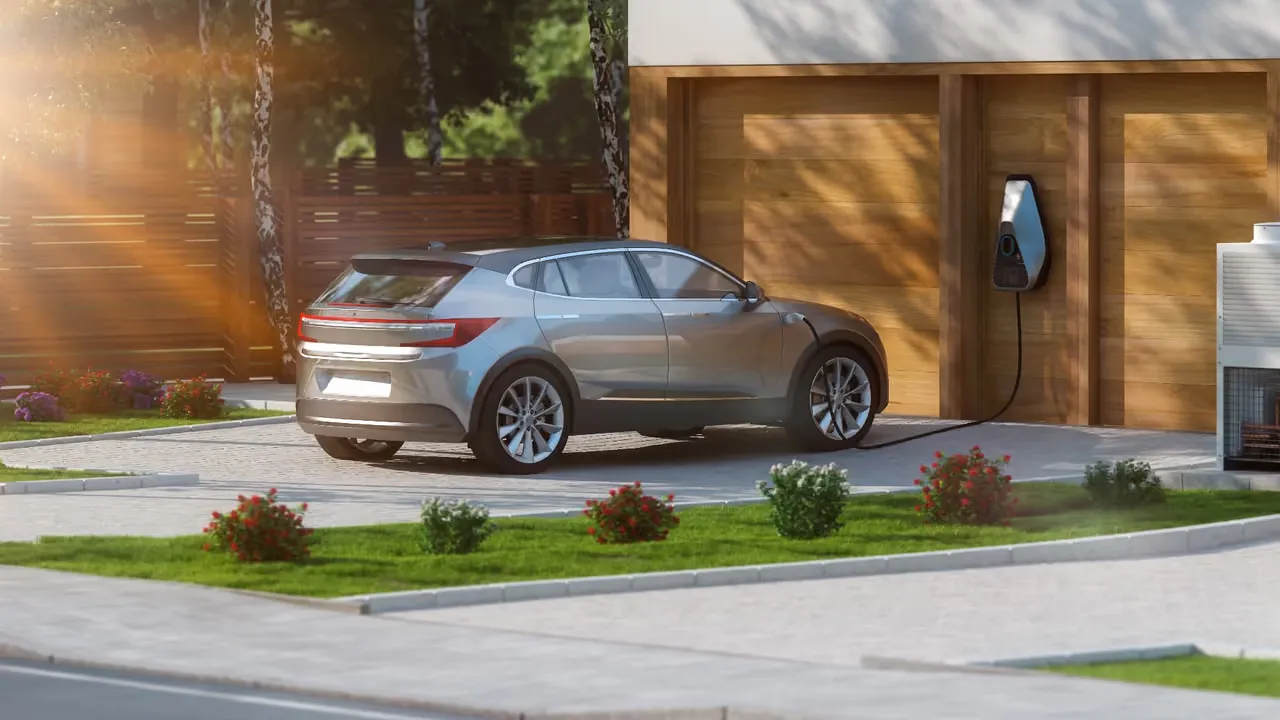
Walking down a busy city street, you might notice something peculiar: the quiet, almost ghostlike approach of an electric vehicle (EV) gliding past. Unlike their gas-guzzling predecessors, EVs whisper rather than roar, which at first seems like a blessing for urban noise pollution. But this subtlety also raises a question: if these vehicles are too quiet, how do pedestrians, especially those with impaired hearing, stay safe? The answer lies in the fascinating world of EV sound design—a nuanced field where every beep, hum, and whirr is carefully crafted to balance safety and serenity.
The Role of Artificial Sounds in Pedestrian Awareness
EVs are practically silent at low speeds, which is great for reducing noise but problematic for pedestrian safety. This has led to regulations in many countries requiring EVs to emit artificial sounds at speeds under 20 km/h or so. These aren’t just random noises slapped onto the car; they are meticulously designed acoustic signals intended to alert pedestrians without causing alarm or annoyance.
Consider the challenge: the sound must be audible enough to stand out against urban noise yet subtle enough not to contribute to noise pollution. It should signal presence and motion but avoid startling people or animals. Engineers have experimented with various sound profiles—from futuristic hums to gentle beeps—and each choice influences how pedestrians perceive the vehicle.
For the visually impaired, these sounds are a lifeline, providing spatial cues about approaching vehicles. For others, the sounds help maintain situational awareness, especially in dense urban environments where distractions are many. The subtle differences in pitch, rhythm, and volume can mean the difference between a safe crossing and a near miss.
Balancing Safety with Urban Soundscape Preservation
Urban areas already suffer from noise pollution, which has documented effects on health and well-being. The last thing cities need is a new layer of intrusive sounds. This tension puts EV sound designers in a tough spot: how to create effective warning sounds that don’t add to the cacophony.
Some cities have turned to naturalistic soundscapes, incorporating gentle tones that mimic nature rather than harsh alarms. Others favor minimalist beeps or soft mechanical noises that blend into the background but become noticeable when needed. The goal is a sound that is felt as much as heard—one that integrates into the urban environment without overwhelming it.
This balancing act also touches on cultural preferences. What sounds inviting or reassuring in one city might be distracting or irritating in another. Hence, some manufacturers are exploring region-specific sound profiles, tailoring the acoustic signature of their EVs to local expectations and regulations.
Innovations in Customizable EV Acoustic Signatures
Gone are the days when car sounds were fixed and uniform. Today’s EVs are becoming platforms for customizable acoustic experiences. Some manufacturers allow drivers to select from a range of sound profiles, turning their vehicles into moving soundscapes that reflect personality or mood—without compromising pedestrian safety.
Imagine choosing a calming, low-frequency hum for a quiet neighborhood or a brighter, more pronounced tone for bustling downtown streets. These sounds can even adapt dynamically based on speed, weather conditions, or nearby activity, thanks to advances in sensor technology and artificial intelligence.
Moreover, open-source initiatives and collaborations between automakers, sound designers, and urban planners are pushing the boundaries of what EV sound design can achieve. The goal is not just to warn but to communicate—a language of sound that informs pedestrians about vehicle behavior, such as acceleration, deceleration, or turning, in ways that are intuitive and non-disruptive.
Future Trends Sound Design Shaping EV Adoption
The importance of EV sound design is only going to grow as electric vehicles become more prevalent. Pedestrian safety remains a priority, but so does the quest for quieter, more livable cities. Sound design will play a starring role in reconciling these aims.
- Adaptive Acoustic Systems: Future EVs might employ machine learning to constantly refine their sound output based on real-time environmental data.
- Personalized Urban Soundscapes: We may see neighborhoods or even entire cities with bespoke EV sound profiles that reflect their unique character and needs.
- Integration with Smart Infrastructure: EV sounds could sync with smart crosswalks, streetlights, and mobile devices to create a seamless safety network.
As sound design becomes an integral part of the EV experience, it challenges our assumptions about what a car should sound like. The subtle differences in how these vehicles announce themselves will influence not just pedestrian safety, but how we experience urban life itself. It’s a quiet revolution, but one with a voice that’s growing louder—just not too loud.