
AI and EVs Drive Traffic Innovation
Walking through any major city today, it’s clear that electric vehicles (EVs) are no longer a niche curiosity but a rapidly growing presence on urban roads. Yet, the impact of this shift goes far beyond the familiar sight of charging stations popping up on sidewalks and parking lots. The rise of EVs is quietly reshaping the very fabric of urban infrastructure in ways that city planners, engineers, and policymakers are only beginning to grasp.
Reimagining Street Layouts to Accommodate Electric Vehicles
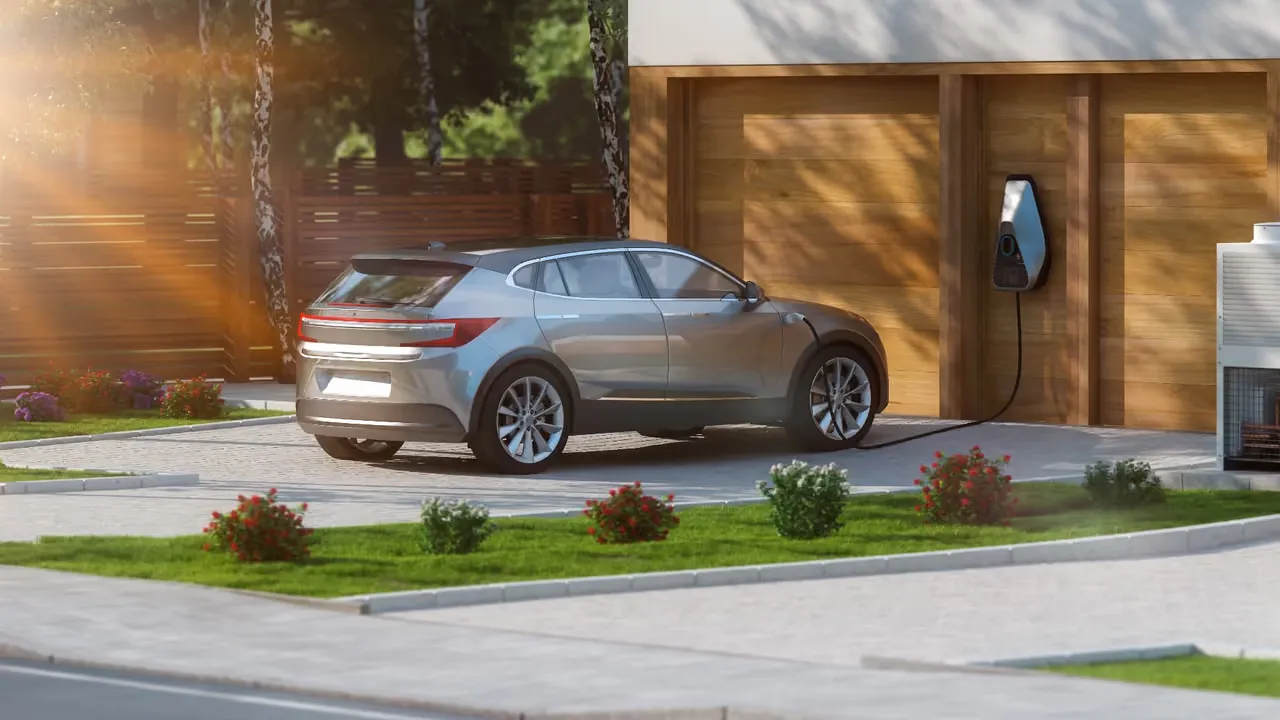
The traditional city street, designed around gas-powered cars, is undergoing a subtle transformation. EVs, with their unique charging needs and often different driving patterns, are prompting cities to rethink how streets are laid out. For example, curbside spaces are being redesigned to prioritize EV charging spots, sometimes replacing traditional parking or loading zones. This shift affects everything from traffic flow to pedestrian access.
Moreover, the quieter operation of EVs encourages a different approach to street design. Some urban planners advocate for more shared spaces where vehicles, cyclists, and pedestrians coexist more harmoniously, capitalizing on the reduced noise and pollution. Dedicated lanes for EV buses and car-sharing fleets are becoming more common, reflecting a broader move toward sustainable, flexible urban mobility.
Integrating EVs with Renewable Energy Grids in Cities
Charging an EV isn’t just about plugging in; it’s about how that electricity is generated and managed. Cities are increasingly pushing to integrate EV charging infrastructure with renewable energy sources like solar and wind. This integration not only reduces the carbon footprint of EVs but also challenges the existing energy grid to become smarter and more resilient.
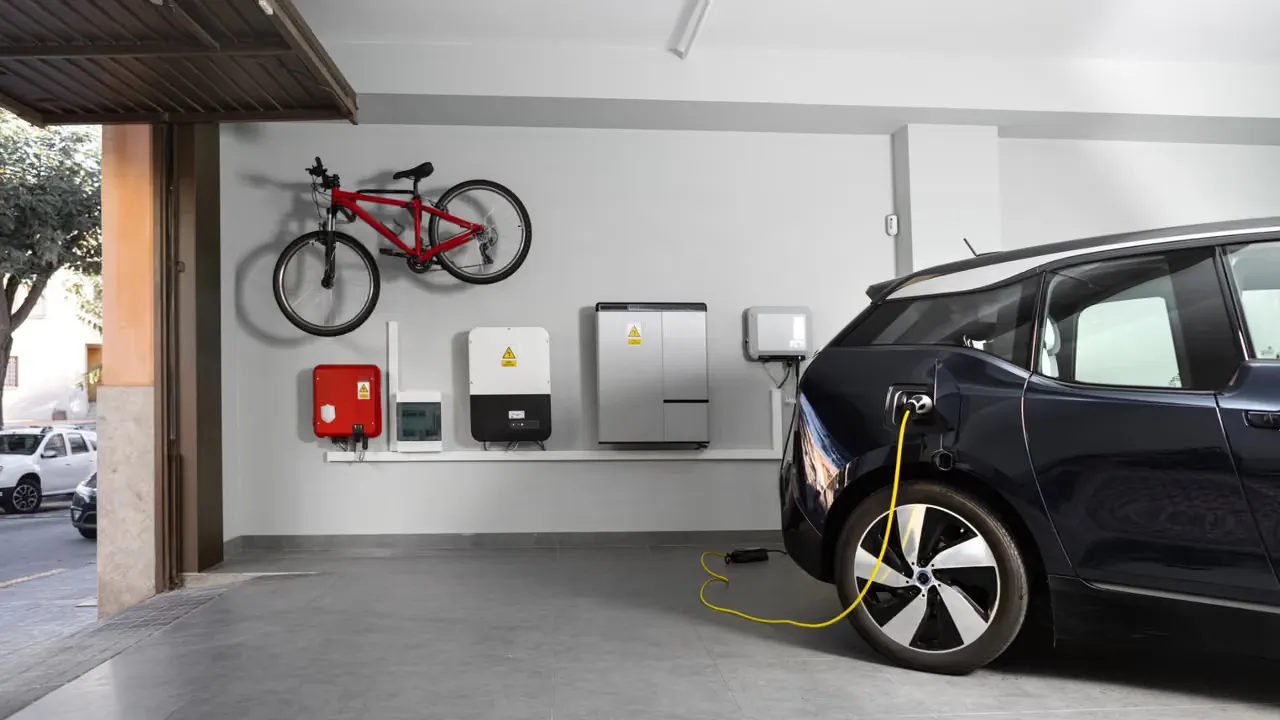
Vehicle-to-grid (V2G) technology is a prime example of this integration. EVs can act as mobile energy storage units, feeding electricity back into the grid during peak demand periods. This dynamic energy exchange helps balance supply and demand, reduces the need for expensive grid upgrades, and supports the increased penetration of intermittent renewable sources.
Urban solar projects are also being paired with EV infrastructure. Solar canopies over parking lots serve the dual purpose of generating clean energy and providing shaded charging spots, turning ordinary lots into multifunctional energy hubs.
The Role of Smart Traffic Management in Optimizing EV Usage
Electric vehicles are ideally suited to smart traffic management systems that use real-time data and AI to optimize traffic flow and reduce congestion. Cities implementing these technologies can prioritize EVs in traffic signals or provide drivers with optimal routes that maximize battery efficiency and reduce energy consumption.
Smart charging networks adapt to traffic patterns and grid capacity, scheduling charging sessions during off-peak hours or when renewable energy availability is highest. This reduces strain on the grid and cuts down on charging costs for users.
Additionally, integrating EV data with urban mobility platforms enables better coordination between different transport modes. For instance, an EV driver might receive real-time updates on parking availability with charging stations or seamlessly switch to shared electric scooters or bikes for the last mile.
Urban Planning Challenges and Opportunities with Growing EV Adoption
Despite the benefits, cities face significant challenges in adapting to the EV revolution. Infrastructure costs are high, and retrofitting existing urban environments isn’t straightforward. Equity issues arise as well—ensuring that all neighborhoods, not just affluent ones, have access to charging infrastructure is a pressing concern.
Urban planners must also grapple with the evolving nature of vehicle ownership. The rise of shared EV fleets and autonomous electric vehicles could drastically reduce the number of cars needed, freeing up valuable space previously dedicated to parking. This presents an opportunity to reclaim urban land for green spaces, affordable housing, or pedestrian zones.
However, this transition requires forward-thinking policies and substantial investment. Cities that fail to plan adequately risk creating infrastructure bottlenecks or uneven adoption patterns that could stall progress.
The relationship between EVs and urban infrastructure is complex and evolving. What began as a simple replacement of gas stations with charging points is now a catalyst for reimagining how cities function and grow in an electric future.