

Advantages of Electric Cars: Tax Credits, Less Maintenance, Clean Energy
Advantages of Electric Cars over Internal Combustion Engine Vehicles
Electric cars have gained significant popularity in recent years due to their numerous advantages over traditional internal combustion engine (ICE) vehicles. From tax credits to reduced maintenance and clean energy, electric cars offer a range of benefits that make them a compelling choice for environmentally conscious consumers. In this article, we will explore these advantages in more detail.
Tax Credits
One of the most enticing advantages of owning an electric car is the availability of tax credits. Many governments around the world provide financial incentives to encourage the adoption of electric vehicles. These tax credits can significantly reduce the upfront cost of purchasing an electric car, making it a more affordable option for many consumers.
For instance, in the United States, the federal government offers a tax credit of up to $7,500 for the purchase of an electric vehicle. Additionally, some states and local governments provide additional incentives, further reducing the cost. These tax credits not only make electric cars more accessible but also help to offset the higher initial price compared to traditional vehicles.
Less Maintenance
Electric cars have fewer moving parts compared to ICE vehicles, resulting in lower maintenance requirements. Traditional cars have complex engines, transmissions, and exhaust systems that require regular servicing and replacement of various components. On the other hand, electric cars have a simpler drivetrain, with fewer parts that can wear out or break down.
With an electric car, there is no need for oil changes, spark plug replacements, or transmission fluid flushes. This not only saves money but also reduces the time and hassle associated with regular maintenance. Electric cars also tend to have longer-lasting brakes due to regenerative braking, which reduces wear and tear on the brake pads.
Clean Energy
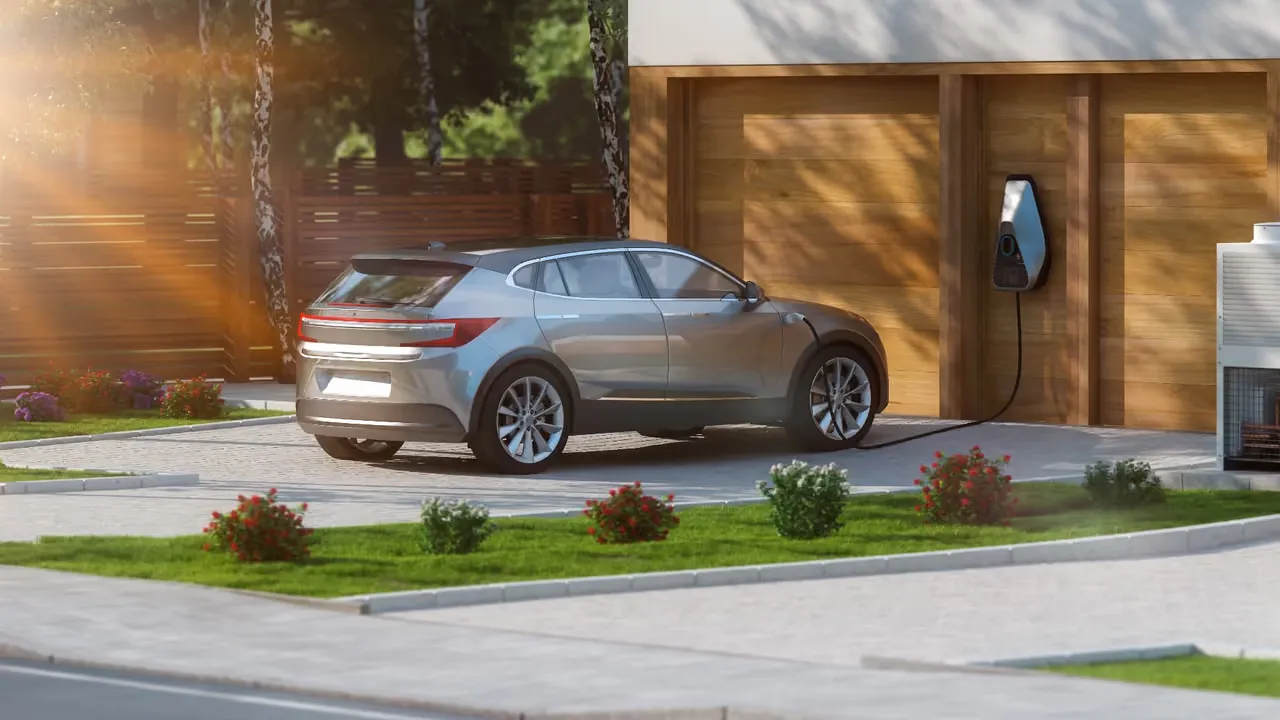
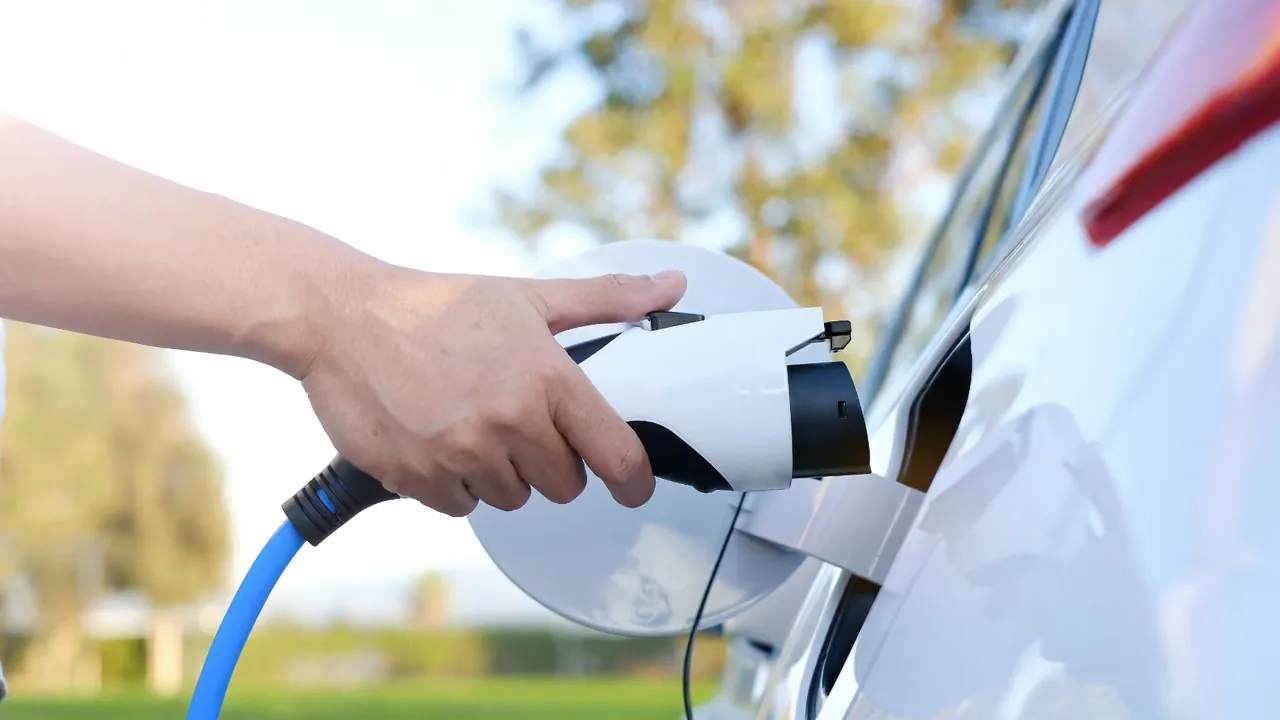
Perhaps the most significant advantage of electric cars is their contribution to cleaner and more sustainable energy. Unlike ICE vehicles that rely on fossil fuels, electric cars run on electricity, which can be generated from renewable sources such as solar or wind power. This means that electric cars produce zero tailpipe emissions, reducing air pollution and greenhouse gas emissions.
By transitioning to electric vehicles, we can significantly reduce our carbon footprint and mitigate the adverse effects of climate change. Additionally, electric cars help to decrease our dependence on fossil fuels, which are finite resources and contribute to geopolitical tensions. Embracing clean energy through electric cars is a crucial step towards a greener and more sustainable future.
Conclusion
Electric cars offer several advantages over traditional ICE vehicles, including tax credits, reduced maintenance, and clean energy. The availability of tax credits makes electric cars more affordable, while the simplified drivetrain of electric vehicles results in lower maintenance costs. Moreover, electric cars contribute to cleaner air and reduced greenhouse gas emissions, helping to combat climate change. With these advantages in mind, it is clear that electric cars are a promising solution for a greener transportation future.