

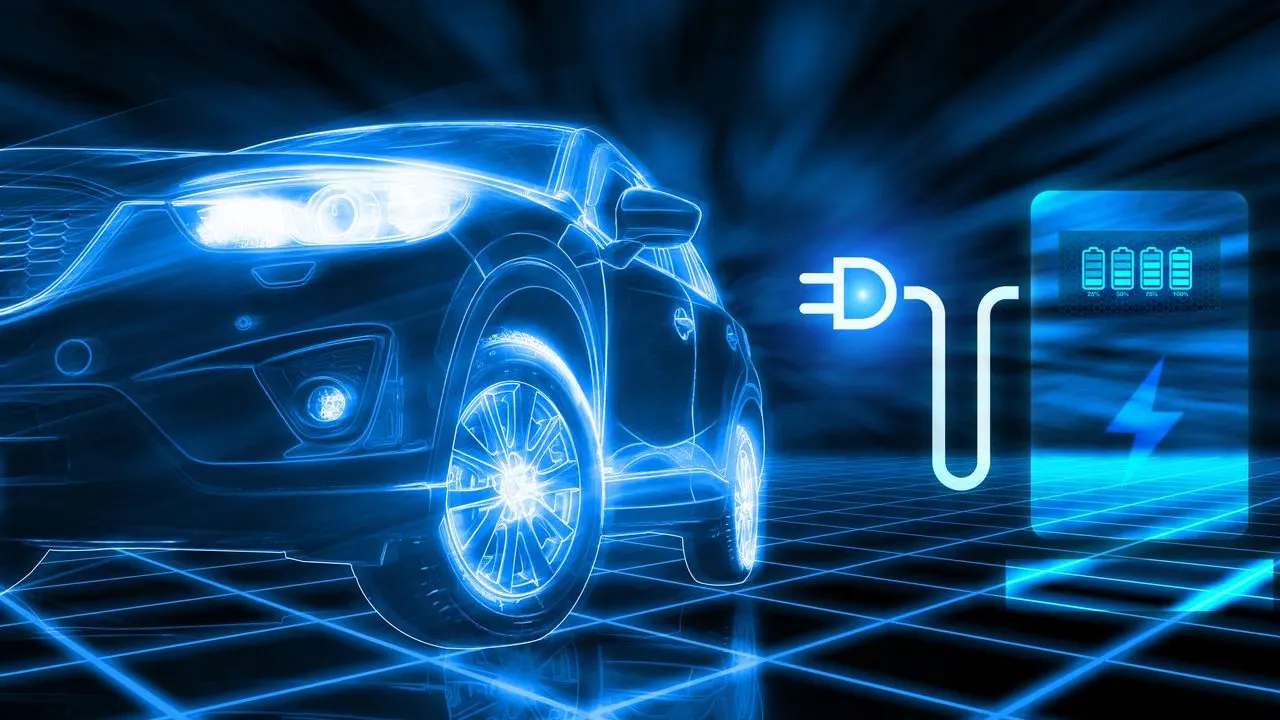
Advantages of Electric Cars: Sustainability & Zero Emissions
Advantages of Electric Cars over Internal Combustion Engine Vehicles
Electric cars have gained significant attention in recent years due to their numerous advantages over traditional internal combustion engine (ICE) vehicles. As the world becomes more focused on sustainability and reducing carbon emissions, electric cars have emerged as a promising solution. In this article, we will explore some of the key advantages of electric cars, including zero tailpipe emissions and the utilization of renewable resources.
Sustainability
One of the most significant advantages of electric cars is their contribution to sustainability. Unlike ICE vehicles that rely on fossil fuels, electric cars are powered by electricity, which can be generated from renewable energy sources such as solar, wind, or hydro power. By utilizing these renewable resources, electric cars help reduce our dependence on finite fossil fuels, which are not only harmful to the environment but also subject to price fluctuations.
Furthermore, the sustainability of electric cars extends beyond their energy source. The production of electric vehicles (EVs) typically involves fewer harmful emissions compared to the manufacturing of ICE vehicles. This is because EVs have fewer moving parts and do not require complex systems like exhaust systems and transmissions. As a result, the overall carbon footprint of electric cars is lower, making them a greener alternative.
Zero Tailpipe Emissions
Another advantage of electric cars is their zero tailpipe emissions. ICE vehicles emit various pollutants, including carbon dioxide, nitrogen oxides, and particulate matter, which contribute to air pollution and climate change. On the other hand, electric cars produce zero tailpipe emissions, as they do not burn any fuel.
By eliminating tailpipe emissions, electric cars help improve air quality and reduce the negative health effects associated with pollution. This is especially important in urban areas where air pollution is a major concern. Electric cars offer a cleaner and healthier transportation option, benefiting both individuals and communities.
Utilization of Renewable Resources
Electric cars have the advantage of utilizing renewable resources for their energy needs. As mentioned earlier, electricity can be generated from renewable sources, which are abundant and sustainable. By tapping into these resources, electric cars contribute to a more sustainable energy ecosystem.
Moreover, the use of renewable resources for electric car charging can also help reduce the overall carbon footprint. For example, if an electric car is charged using electricity generated from solar panels installed on a home or a solar-powered charging station, the entire charging process becomes carbon-neutral. This means that electric cars can be powered by clean energy, further reducing their environmental impact.
Conclusion
Electric cars offer several advantages over traditional ICE vehicles. Their sustainability, zero tailpipe emissions, and utilization of renewable resources make them a promising solution for a greener future. As we continue to prioritize environmental protection and reduce our carbon footprint, electric cars will play a crucial role in transitioning to a more sustainable transportation system.