
Advancements in Electric Vehicle Battery Technology
Battery Technology and Advancements in Electric Vehicles
As the world continues to shift towards sustainable transportation, battery technology plays a crucial role in the advancement of electric vehicles (EVs). The energy density, charging infrastructure, and lithium-ion batteries are key areas of focus for researchers and manufacturers in their quest to improve EV performance and accessibility.
Energy Density: Powering the Future of Electric Vehicles
Energy density refers to the amount of energy that can be stored in a given volume or mass of a battery. In the context of electric vehicles, higher energy density means longer driving ranges and improved overall performance. Manufacturers are constantly striving to develop batteries with higher energy density to address the limited range anxiety often associated with EVs.
Lithium-ion batteries have emerged as the leading technology in the EV industry due to their high energy density. These batteries use lithium ions to store and release energy, making them lightweight and efficient. However, researchers are actively exploring alternative materials and designs to further enhance energy density and overcome the limitations of current lithium-ion technology.
Advancements in Charging Infrastructure
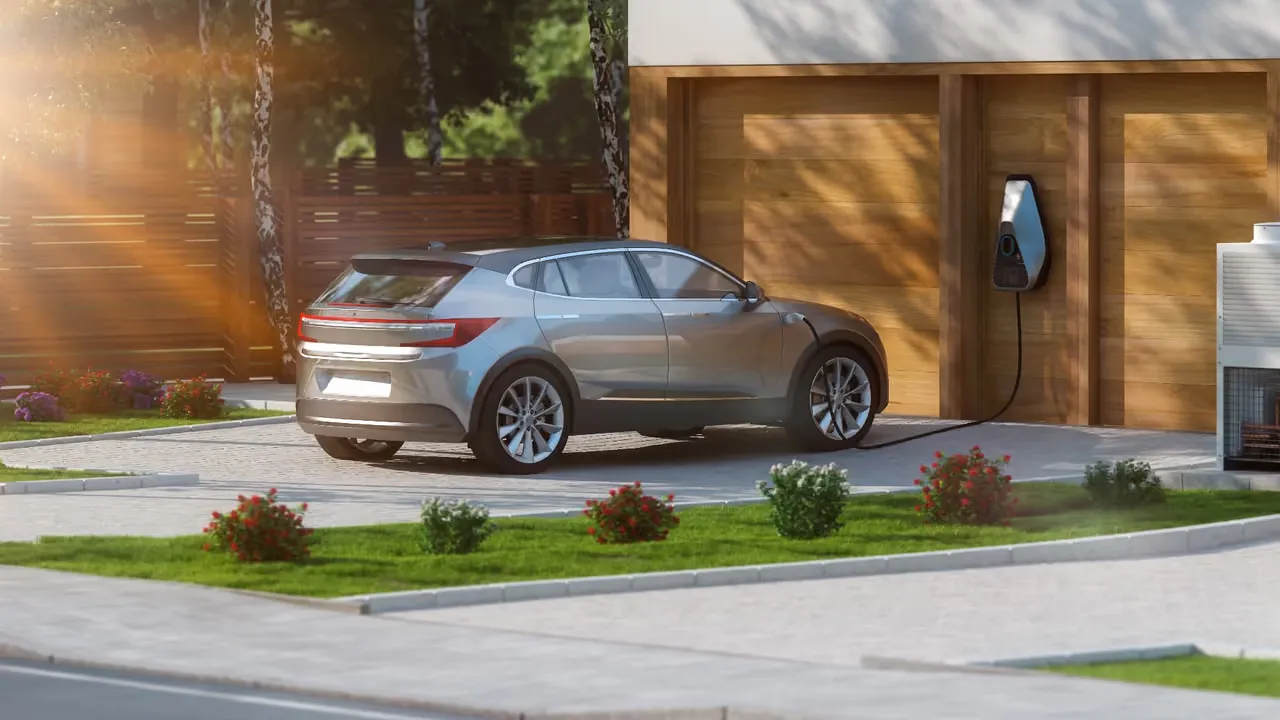
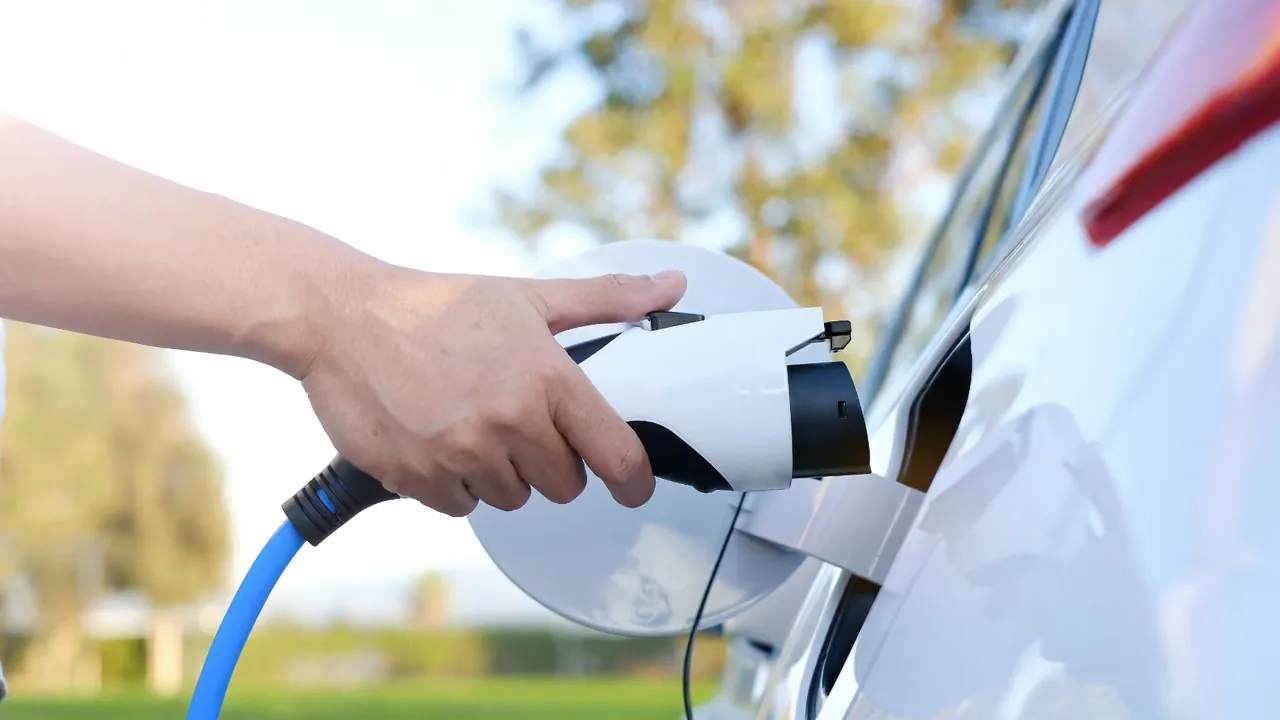
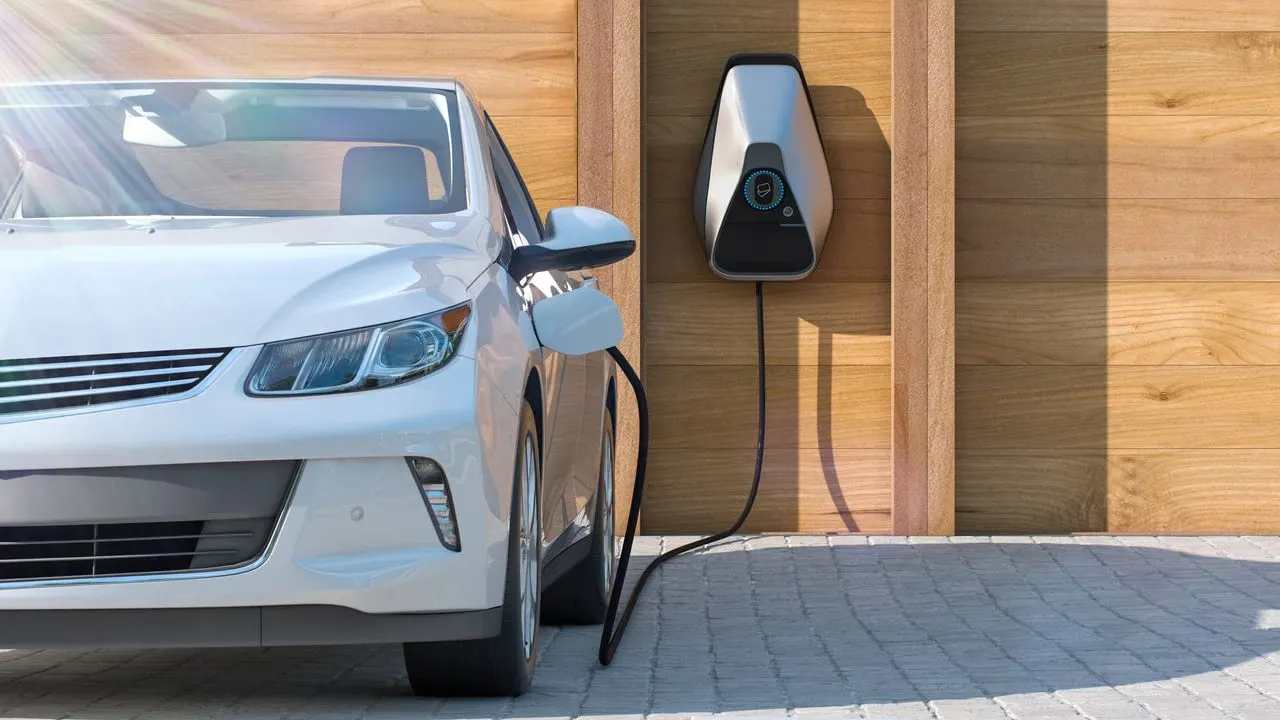
One of the major challenges for widespread EV adoption is the availability of a reliable and efficient charging infrastructure. To address this issue, governments, private companies, and researchers are working together to develop a robust charging network that can support the growing number of electric vehicles on the road.
Fast-charging stations, capable of delivering high power in a short amount of time, are being deployed along major highways and in urban areas to enable long-distance travel and reduce charging times. These stations utilize advanced power electronics and cooling systems to ensure the batteries can handle the high charging rates without compromising their lifespan or safety.
Furthermore, wireless charging technology is being explored as a convenient and hassle-free solution for EV owners. Wireless charging eliminates the need for physical connections, allowing vehicles to charge simply by parking over a charging pad embedded in the ground. This technology is still in its early stages but holds great promise for the future of EV charging.
Lithium-Ion Batteries: The Driving Force Behind Electric Vehicles
Lithium-ion batteries have revolutionized the electric vehicle industry, offering a combination of high energy density, long cycle life, and relatively low maintenance requirements. These batteries consist of positive and negative electrodes separated by an electrolyte, allowing the flow of lithium ions during charge and discharge cycles.
Researchers are continuously working to improve lithium-ion battery technology. One area of focus is the development of solid-state batteries, which replace the liquid electrolyte with a solid material. Solid-state batteries offer higher energy density, improved safety, and longer lifespan compared to traditional lithium-ion batteries.
Additionally, advancements in battery management systems (BMS) are enhancing the performance and longevity of lithium-ion batteries. BMS monitors the battery’s temperature, voltage, and current, ensuring optimal charging and discharging processes. This technology helps prevent overcharging, overheating, and other issues that can degrade battery performance over time.
Conclusion
Battery technology is at the forefront of the electric vehicle revolution. Advancements in energy density, charging infrastructure, and lithium-ion batteries are driving the growth and accessibility of EVs. As research and development continue, we can expect even more exciting breakthroughs that will further propel the electric vehicle industry towards a sustainable and cleaner future.