
Will EVs Make Cities Greener
Walking down a city street in the near future, you might notice something strange: the usual roar of engines is replaced by a soft hum or complete silence. Electric cars, once just a niche choice for eco-conscious drivers, are quietly reshaping not just how we move but how our cities look and feel. This shift goes far beyond cleaner air and quieter roads. It’s pushing urban planners and architects to rethink streets, parking, and public spaces in ways that could make cities more livable, green, and connected.
The impact of EVs on street noise and public spaces
Internal combustion engines have long dictated the urban soundscape—loud, unpredictable, and often intrusive. Electric vehicles (EVs), by contrast, are whisper quiet at low speeds. This subtle change has enormous implications. Without the constant drone of engines, streets can become calmer, more inviting places. The reduction in noise pollution can transform sidewalks and plazas into genuine public spaces where people feel comfortable lingering.
Imagine a city block where children play outside without the usual cacophony of traffic, or where outdoor cafes no longer have to compete with the roar of passing cars. The subtle hum of EVs allows for urban life that is less stressed and more communal. In this quieter environment, informal social interactions could flourish, and cities might see a renaissance of street life that’s been stifled by noise.
Redesigning urban parking and charging infrastructure
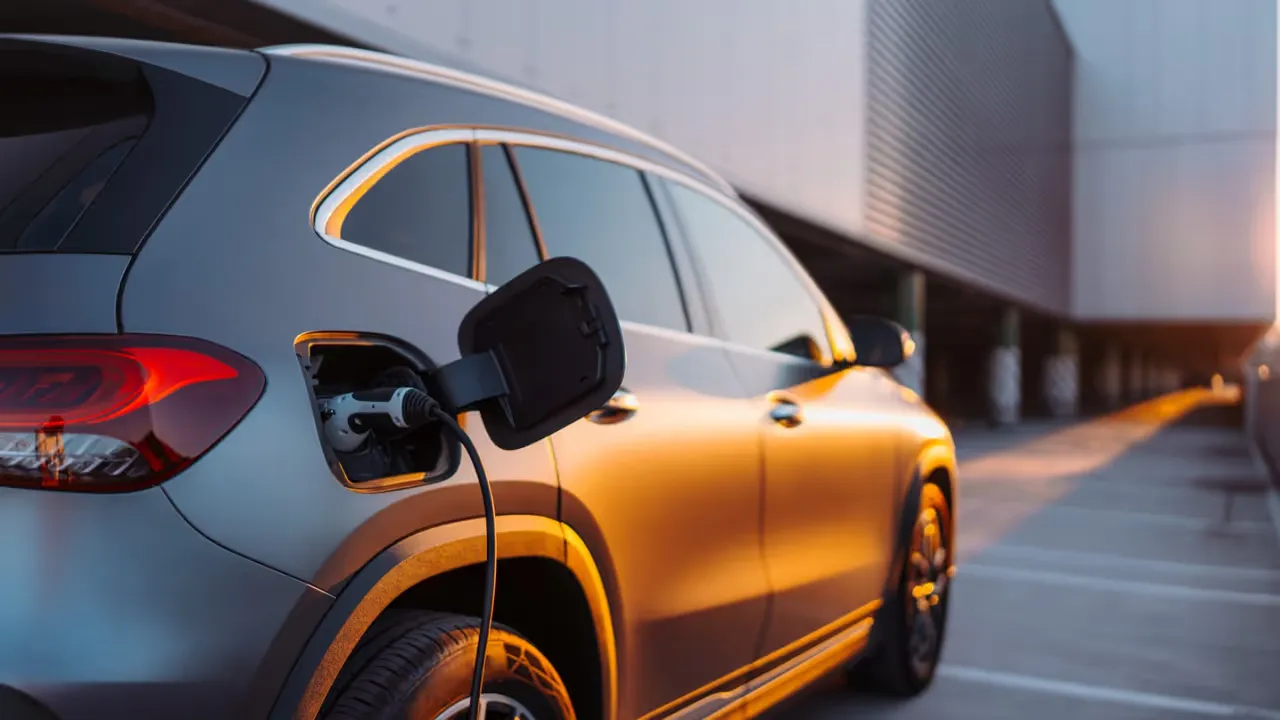
Electric cars demand a different kind of urban infrastructure. Traditional parking lots, designed for quick combustion engine refills, don’t fit the bill anymore. Charging stations need to be integrated thoughtfully into the urban fabric, and this necessity opens up a world of design possibilities.
For starters, charging points take more time than a gas station stop, nudging cities to rethink the very purpose of parking. Instead of simply storing cars, parking spots can become multifunctional spaces. Consider: while your car charges, you might read on a bench, visit a nearby shop, or enjoy a green pocket park.
Furthermore, the architecture of parking garages can evolve. They no longer need massive ventilation systems to deal with exhaust fumes, allowing for more open, airy designs. Some cities are already experimenting with “smart parking” that communicates with EVs to optimize charging and space use, minimizing the footprint of these structures. As EV adoption grows, the demand for curbside charging will force cities to weave these points seamlessly into sidewalks and street corners, blending technology and urban life.
From parking lots to community connectors
- Mixed-use charging hubs: Spaces combining EV charging with cafes, co-working spots, or small markets.
- Dynamic curb management: Flexible parking zones that serve as charging stations during certain hours and public spaces at others.
- Invisible infrastructure: Wireless or induction charging embedded in roads and parking spaces, freeing urban design from bulky stations.
Integrating EV-related green spaces and community hubs
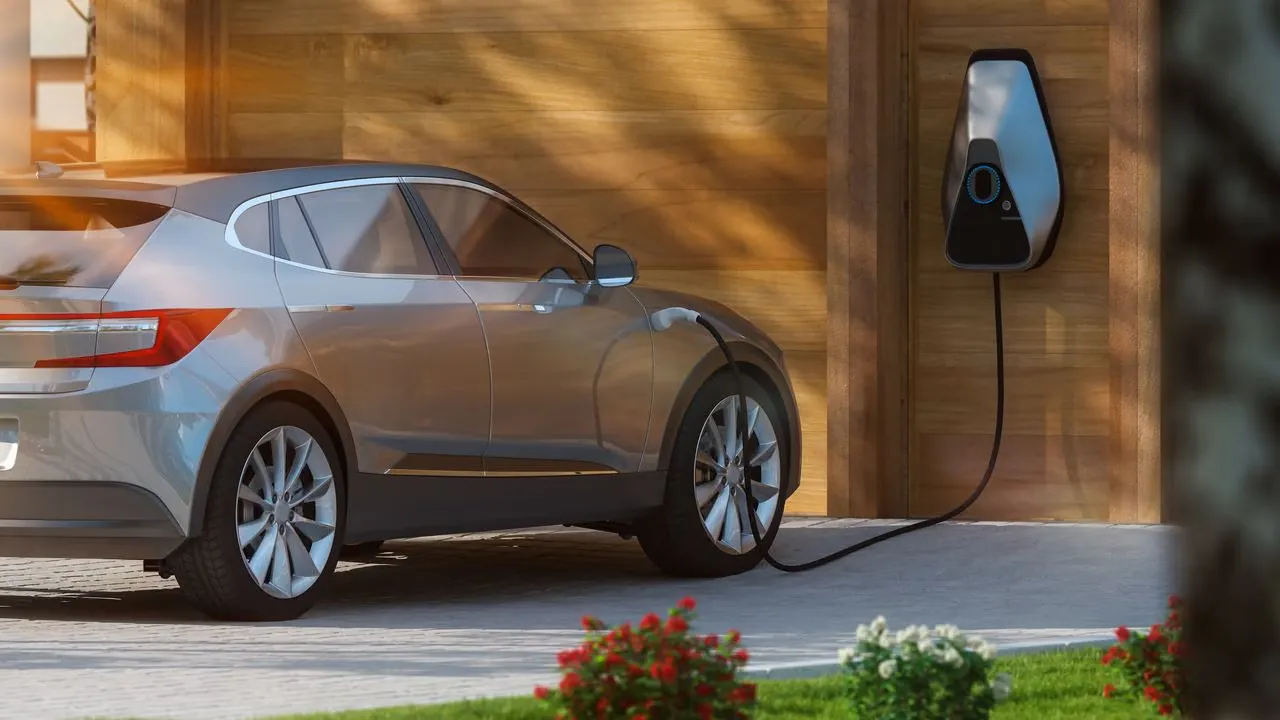
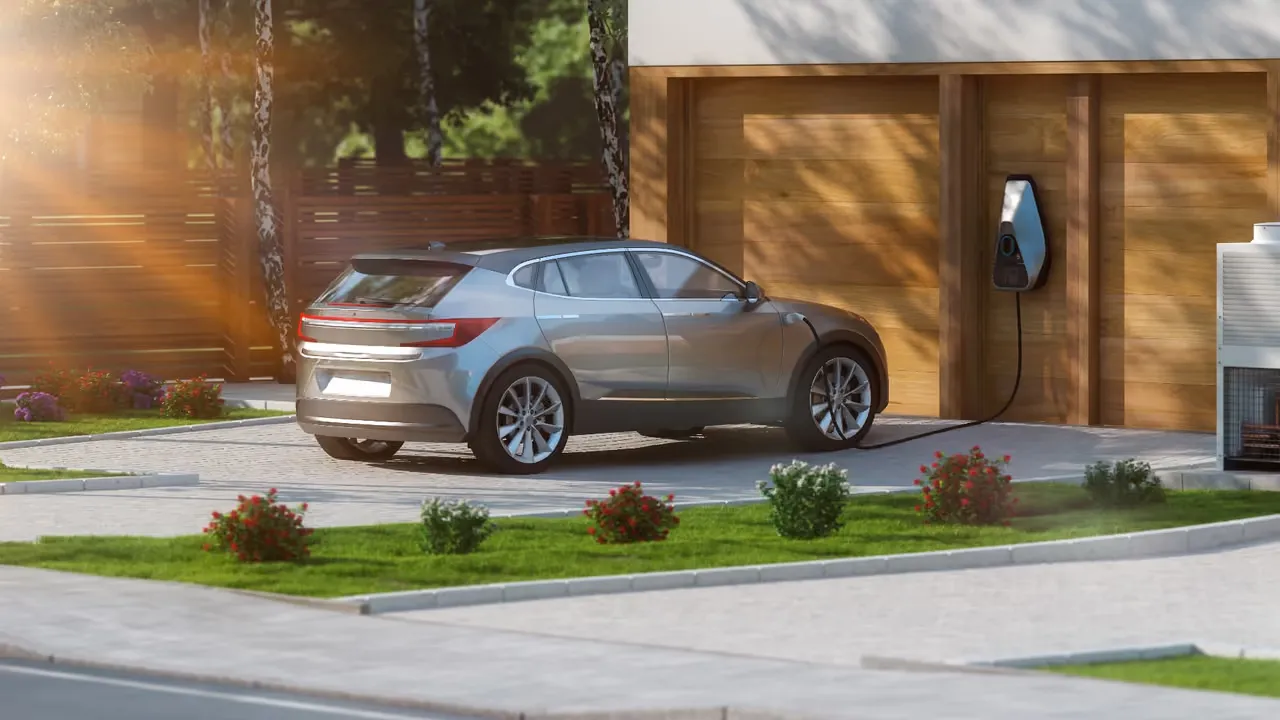
Electric mobility doesn’t exist in isolation—it can be a catalyst for greener, more social urban environments. Charging stations themselves can be reimagined as mini parks or community hubs. Imagine a charging spot shaded by trees with seating areas, bike racks, and even urban gardens.
Greenery not only softens the urban landscape but also helps mitigate the heat island effect common in cities, making waiting for your car to charge more pleasant. These green pockets can serve as meeting points, encouraging interaction among residents and fostering a sense of neighborhood.
Some forward-thinking cities are already piloting “EV plazas” where charging infrastructure coexists with public art installations, playgrounds, and performance spaces—places where technology and community life overlap organically. This blend hints at a future where charging your car is not a mundane task but a moment to relax and connect.
Future visions cities planned around electric mobility
Looking further ahead, urban planners are contemplating entire neighborhoods designed with electric vehicles at their core. Without the need for large fuel stations or noisy garages, streets can be narrower, or repurposed for pedestrian and cycling paths. Parking spaces could shrink as shared EV fleets and autonomous electric shuttles become common, reducing the number of vehicles stored on-site.
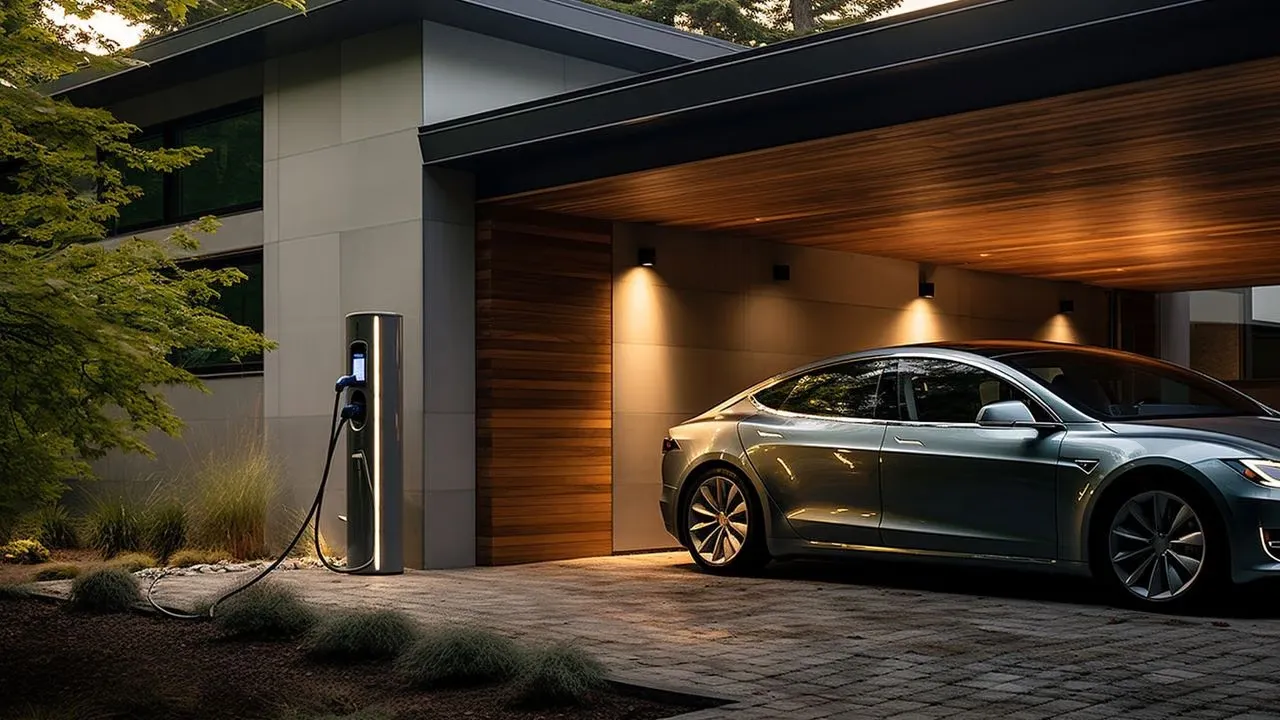
In these future cities, the boundary between mobility and urban life blurs. Roads might incorporate embedded charging lanes that power vehicles as they move, eliminating the need for frequent stops. Buildings could include integrated EV charging as part of their design, with solar panels supplying clean energy directly to parked cars.
Urban design might also prioritize “mobility hubs”—centralized locations combining EV rentals, public transit, and community spaces. These hubs could become the new hearts of neighborhoods, fostering sustainable travel and social cohesion simultaneously.
The ripple effects of electric vehicles extend beyond transportation. They challenge us to rethink how cities breathe, how people gather, and what streets are for. The quiet revolution of electric cars could turn concrete jungles into more human-centered habitats, where technology supports not just movement but connection.