
Why EV Chargers Are Changing Home Values
What does the rising demand for electric vehicle charging mean for the places we live and work?
The Growing Demand for EV Charging in Residential and Commercial Properties
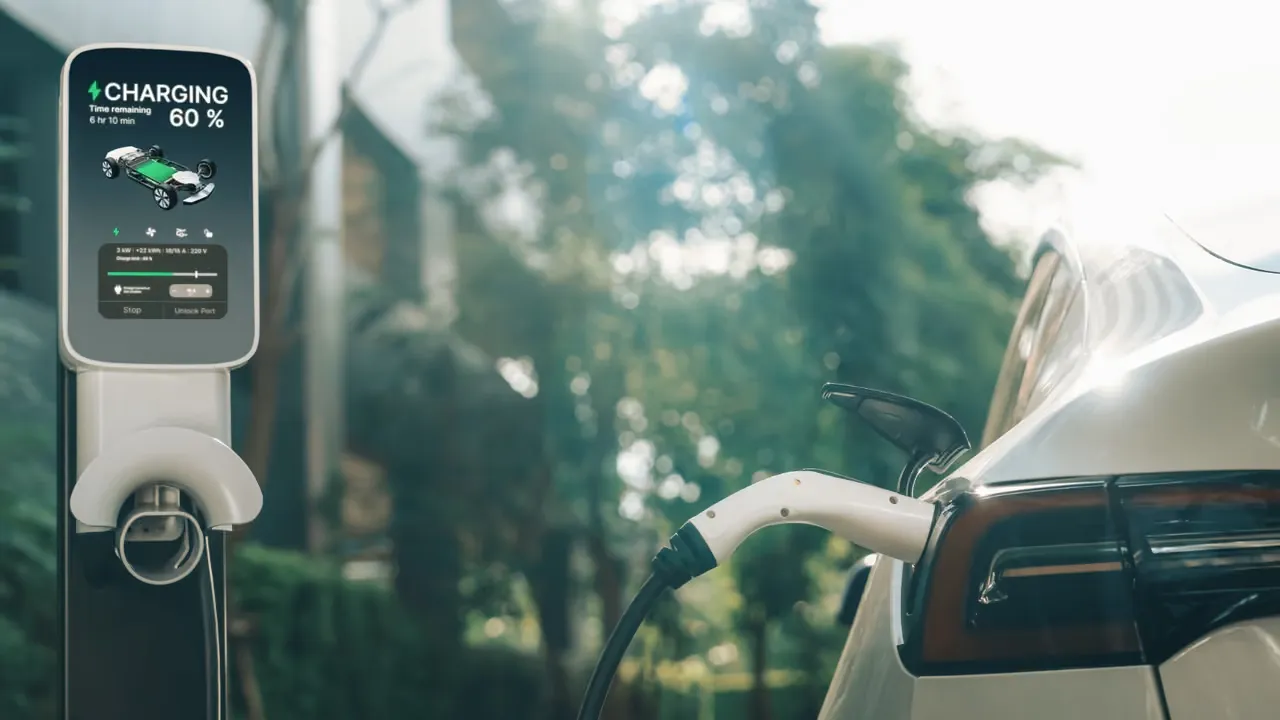
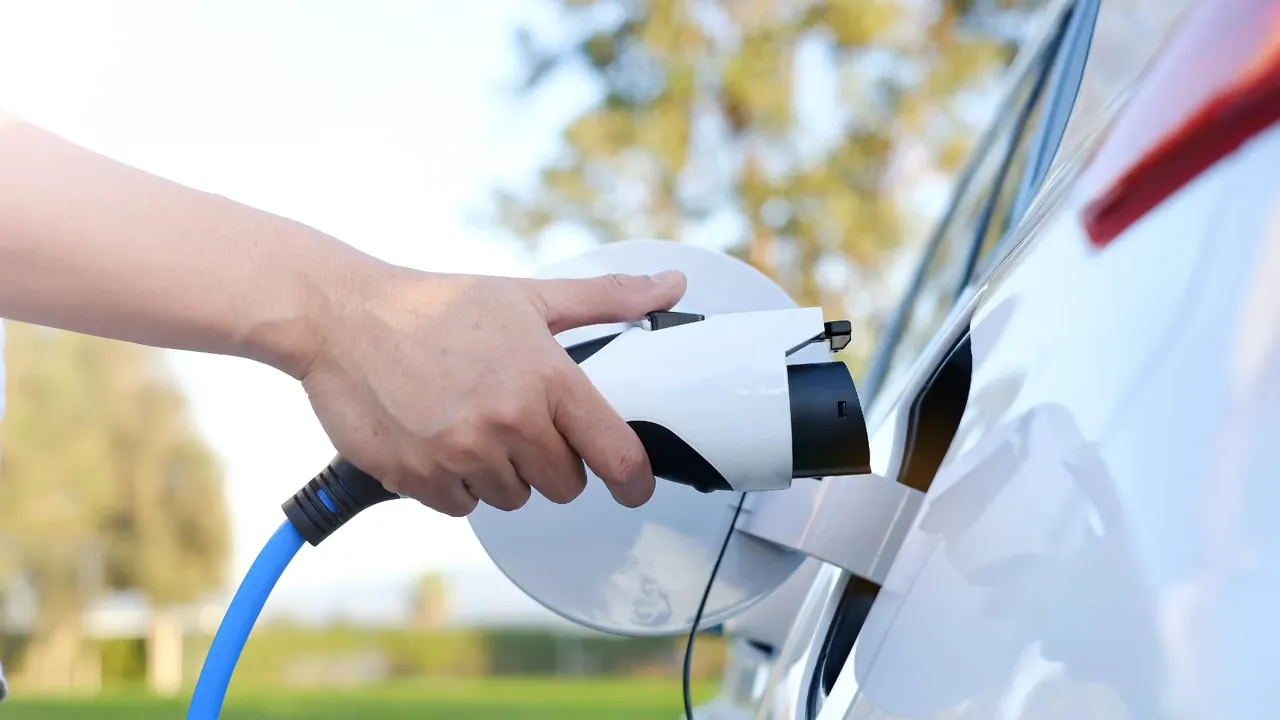
Electric vehicles (EVs) are no longer a niche market. Governments push for greener transportation, and more consumers want sustainable options. The number of EVs on the road has surged. This shift creates a strong need for charging stations in both homes and workplaces.
For homeowners, having an EV charger in the garage or driveway is no longer a luxury. It is quickly becoming a must-have. Apartment and condo residents face bigger challenges. Many older buildings lack easy access to charging points. At the same time, businesses and landlords see the value in offering EV charging. It helps attract tenants, employees, and customers who drive electric cars.
In some cities, local governments are encouraging or even requiring new residential and commercial buildings to include EV charging infrastructure. This push is changing how developers plan and build properties. The demand is growing fast, and the real estate market must catch up.
How the Presence of EV Chargers Affects Property Values and Buyer Preferences
Real estate markets are adjusting to this new reality. Properties with EV charging stations often have an edge. Buyers and renters now consider the availability of charging as a key factor when choosing a home or office.
Residential Impact
Studies show homes with EV chargers sell faster and at higher prices, especially in areas where many people own electric cars. For buyers, having a charger at home eases “range anxiety”—the fear of running out of battery far from a charger. It also adds future value, as EVs become more common.
In neighborhoods where EV adoption is high, homes without charging options risk falling behind. Some buyers may even skip properties that lack easy access to charging.
Commercial Impact
For offices, retail spaces, and apartment complexes, EV chargers are becoming expected amenities. Businesses that install chargers can stand out in a crowded market. They attract eco-conscious tenants and customers, boosting foot traffic and loyalty.
Multifamily buildings without EV charging risk losing tenants to competitors who offer better infrastructure. For many renters, the ability to charge an electric car is as important as having a washer and dryer.
Challenges and Opportunities for Developers Integrating EV Charging Solutions
Developers face a tricky path when adding EV charging. Retrofitting old buildings can be expensive and complicated. Electrical systems often need upgrades to handle the extra power demand.
New construction projects have a clear advantage. They can plan EV infrastructure from the start. This includes dedicated parking spots with chargers, shared charging hubs, and smart systems that manage energy use efficiently.
Challenges include:
- High upfront installation costs, which can run into tens of thousands of dollars per charger
- Electrical capacity limits in older buildings that require costly upgrades
- Regulatory hurdles and delays in obtaining permits
- Uncertainty about future technology standards and charger compatibility
Opportunities lie in:
- Attracting forward-thinking buyers and tenants who value sustainability
- Using government incentives and subsidies to offset installation costs
- Pairing chargers with renewable energy sources like solar panels to reduce operating costs
- Creating amenities that increase property appeal and justify higher rents or sale prices
Some developers are experimenting with smart charging networks that balance energy demand and reduce strain on the grid. These systems can schedule charging during off-peak hours or when solar power is abundant, cutting costs and emissions.
Future Outlook EV Charging as a Key Factor in Urban Planning and Real Estate Investment
The trend is clear: EV charging is becoming a core part of real estate strategy. Urban planners now often require new developments to include EV-ready parking spaces. Some cities have set minimum charging capacity rules for commercial and residential projects.
Investors and developers who ignore this risk falling behind in a market shaped by sustainability and technology. Those who embrace EV infrastructure can tap into rising demand and position their properties as leaders in the green transition.
EV charging will also reshape how future developments look and function. Parking garages may turn into energy hubs, combining vehicle charging with energy storage and smart grid connections. Mixed-use projects will need to balance charging needs for residents, workers, and visitors alike.
In this changing landscape, the quality and availability of EV charging will strongly influence property desirability, investment returns, and urban life quality.