
Save Money Charging Your Electric Car at Home
Ever wondered how you can cut down your electricity bills while charging your electric car at home and also shrink your carbon footprint? As electric vehicles (EVs) become more common, the way we manage home energy use is evolving. Integrating EV charging with smart home systems offers a practical path to save money and reduce environmental impact without sacrificing convenience.
Understanding the Basics of EV Charging and Home Energy Consumption
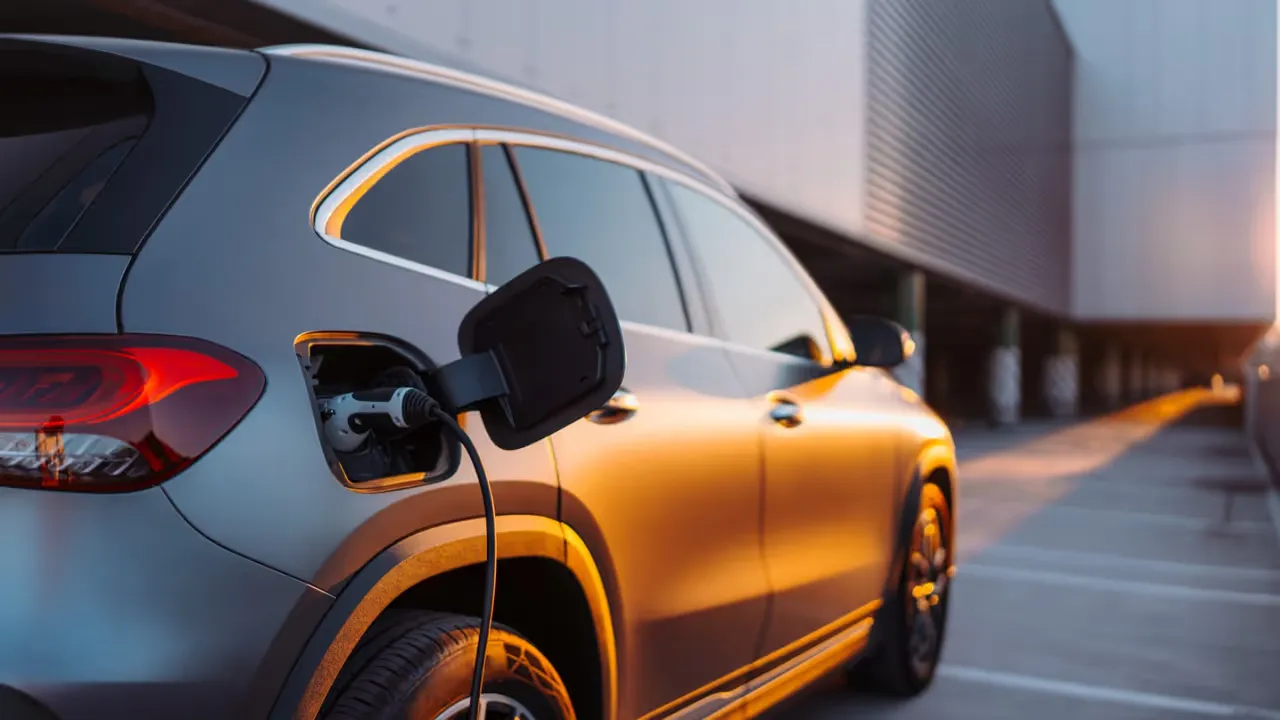
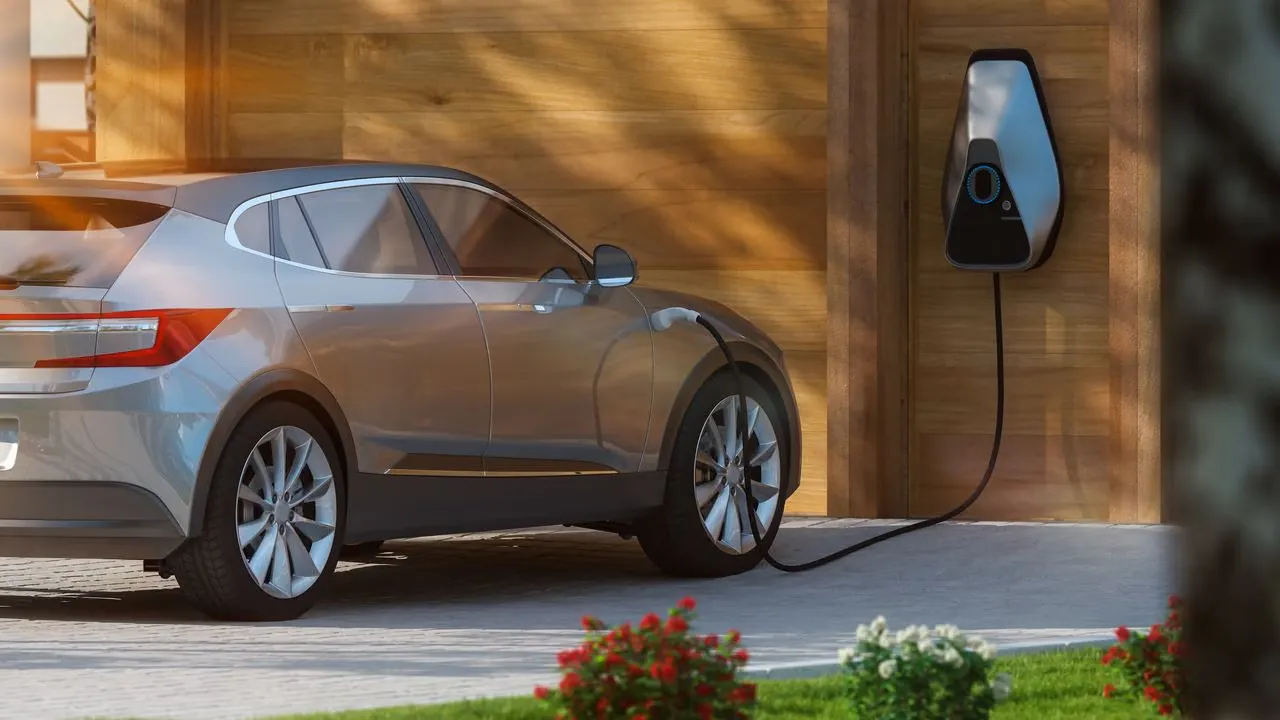
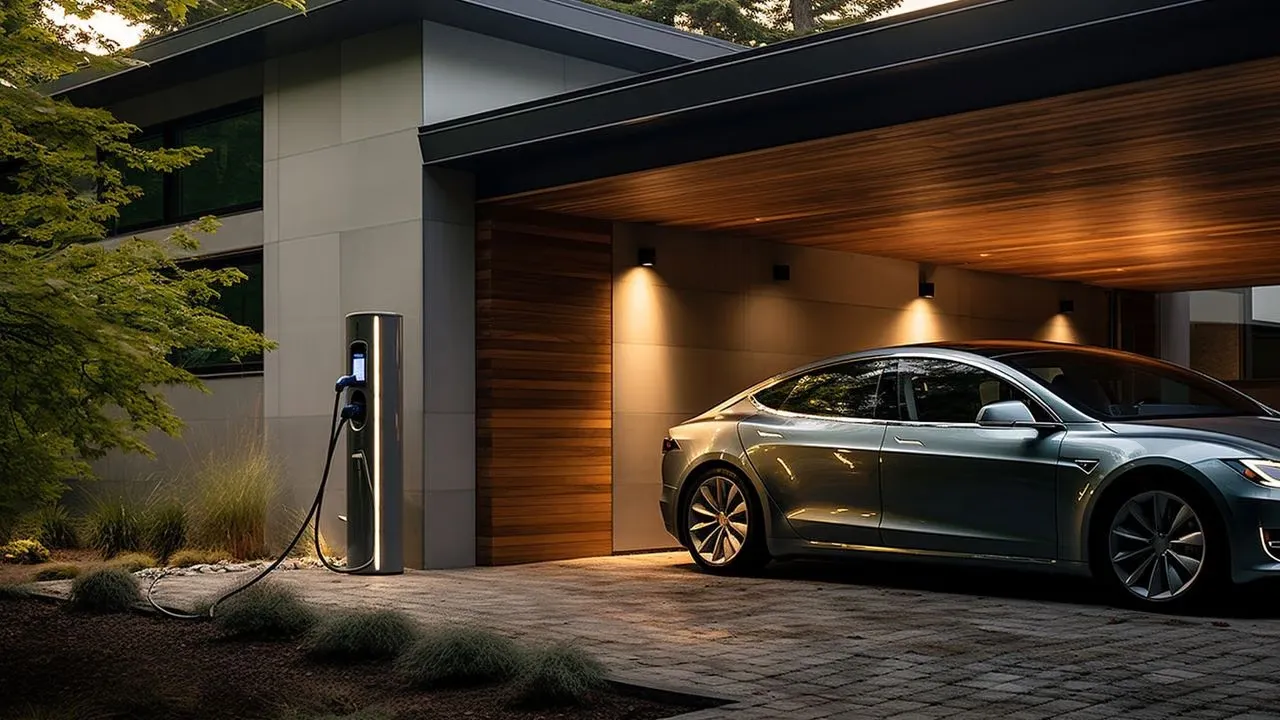
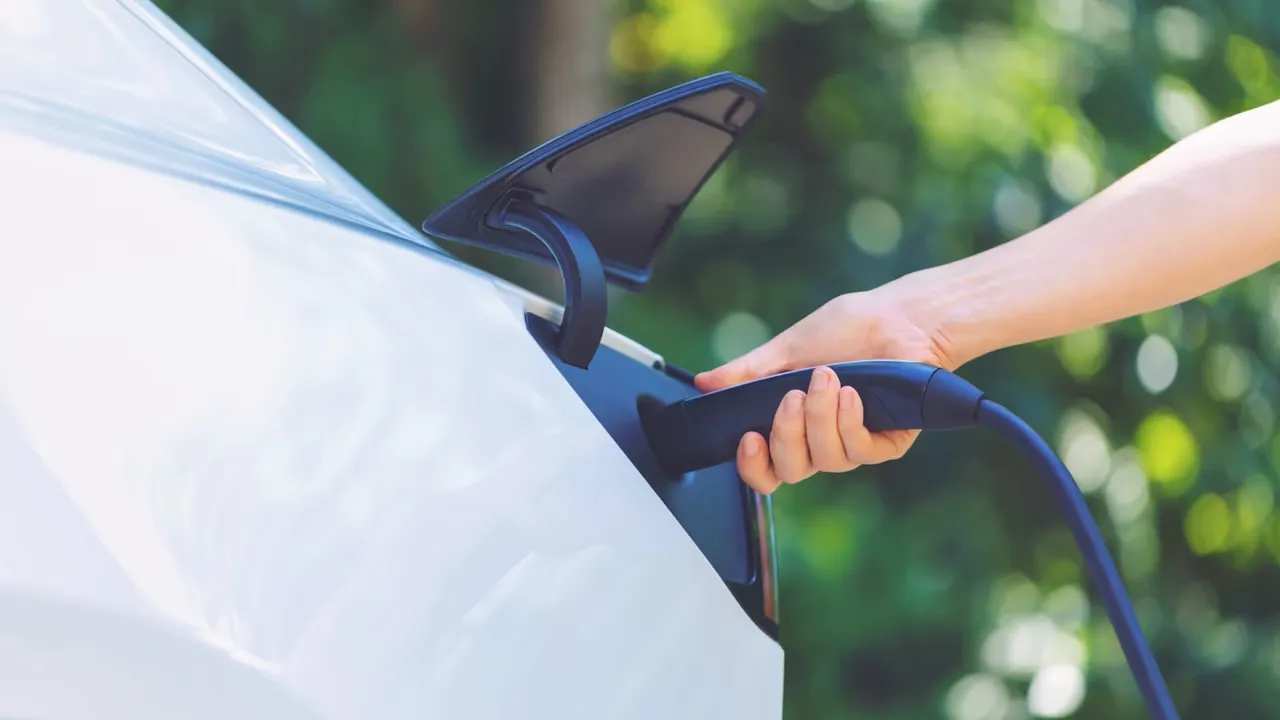
Charging an electric car at home typically involves a dedicated charging station or a simple power outlet. However, EV charging can consume a significant chunk of your household electricity, especially if you charge during peak hours when rates and demand are high. Without any control, this can lead to unexpectedly large bills and increased strain on the grid, which often relies on fossil fuels during those peak times.
Home energy consumption varies throughout the day, influenced by appliances, heating or cooling systems, lighting, and now, EV charging. Smart home systems monitor and sometimes control these loads to optimize energy use. The key is understanding that EV charging doesn't have to happen immediately after plugging in. Most EVs can be scheduled to charge during off-peak hours when electricity is cheaper and cleaner.
Benefits of Integrating EV Charging with Smart Home Energy Management
Linking your EV charger with a smart home energy management system turns your car into a flexible energy user rather than a fixed, high-demand appliance. Here’s why it matters:
- Cost Savings: Smart systems can schedule EV charging during off-peak hours or when renewable energy generation at home (like solar panels) is at its peak, reducing your electricity costs.
- Environmental Impact: Charging during periods of low grid demand often means cleaner energy sources are in use, lowering your carbon footprint.
- Load Balancing: Smart management prevents overloading your home’s electrical system by coordinating EV charging with other high-consumption devices.
- Convenience: Automated scheduling means you don’t have to manually manage charging times or worry about forgetting to plug in during the cheapest hours.
Practical Steps to Set Up and Optimize Smart EV Charging at Home
- Choose a Compatible EV Charger – Select a smart EV charger that supports scheduling, remote control, and integration with home automation platforms like Google Home, Amazon Alexa, or Apple HomeKit.
- Install a Home Energy Management System (HEMS) – A HEMS monitors overall energy use, solar generation (if applicable), and interacts with the smart charger to optimize charging times. Some EV chargers come with built-in energy management features.
- Connect Your Solar Panels – If you have rooftop solar, link the system to your HEMS and EV charger. This allows charging when solar output is high, maximizing the use of clean energy.
- Set Charging Schedules – Program your charger to run primarily during off-peak hours or when local utilities offer lower rates. Many utilities provide time-of-use pricing schedules online.
- Use Load Management Features – To avoid tripping breakers or surging your electrical panel, enable load balancing to limit charging power if other appliances demand energy simultaneously.
- Monitor and Adjust – Use apps or dashboards to track charging patterns, energy consumption, and savings. Adjust schedules or settings based on seasonal changes or driving habits.
Real-World Examples of Cost Savings and Environmental Benefits
Consider Jane, a homeowner with a solar-equipped smart home in California. By integrating her EV charging station with her home energy system, she schedules charging to coincide with midday solar production. This strategy covers 70% of her EV’s charging needs with solar power, cutting her electricity bills by around $30 per month and reducing her vehicle’s carbon emissions by roughly 1.5 tons annually.
Meanwhile, Mark in New York uses a smart charger linked to his utility’s time-of-use rates. By charging his EV overnight when electricity is cheapest and cleanest, he saves nearly $400 yearly compared to charging at random times. The smart system also prevents his home’s electrical panel from overload by adjusting charging rates dynamically.
These examples show that integrating EV charging with smart home energy management is more than a convenience—it’s a smart financial and environmental choice. With relatively simple setup and ongoing adjustments, EV owners can turn their homes into efficient, eco-friendly energy hubs.