

Quiet Cars Call for Smarter Roads
Walking through many cities today, you might notice a subtle but significant transformation underway. The familiar sights of gas stations are shifting into something new, the layout of streets is changing, and the hum of combustion engines is gradually replaced by the quieter whir of electric motors. This global embrace of electric cars is doing more than just altering what we drive; it’s reshaping the very fabric of urban design and infrastructure planning worldwide.
Reimagining Parking From Gas Stations to Charging Hubs
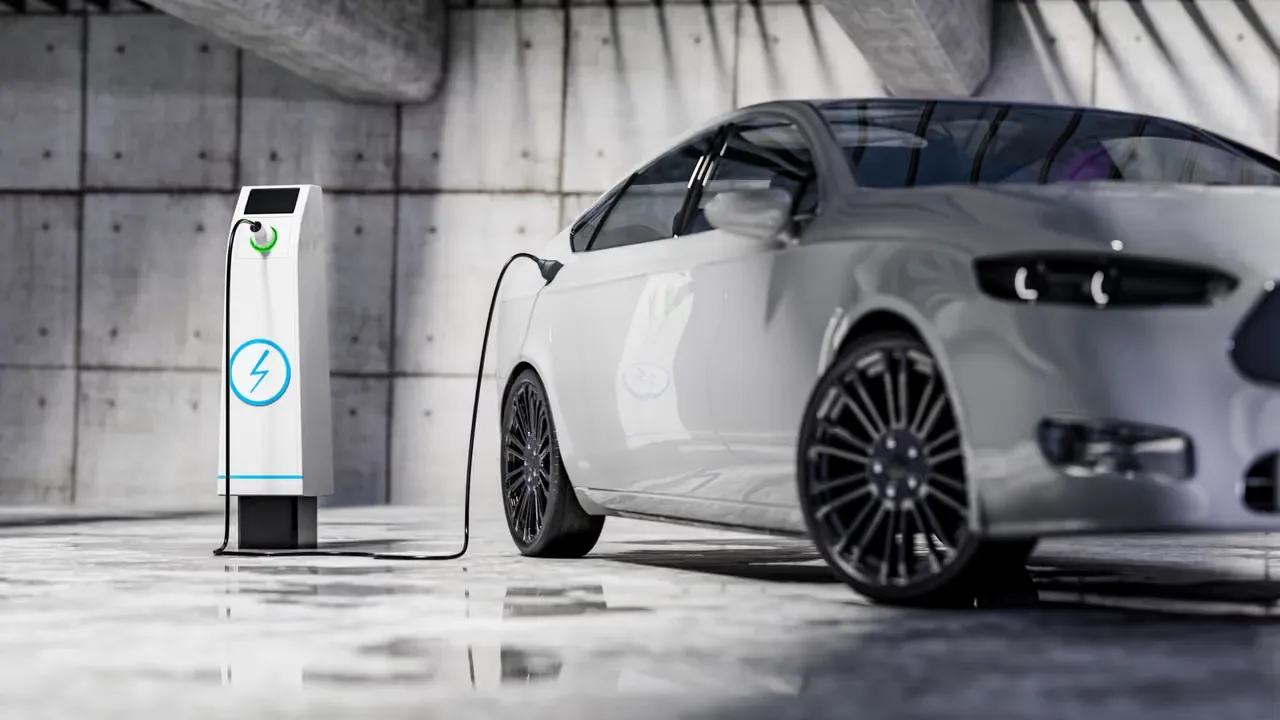
Gone are the days when gas stations ruled the roadside landscape. With electric vehicles (EVs) taking center stage, urban planners and city officials face the challenge of transforming these traditional spaces. Instead of quick fuel stops, EV owners need access to charging points that often require longer dwell times. This shift calls for a rethinking of parking areas, turning them into multi-functional hubs equipped with charging stations.
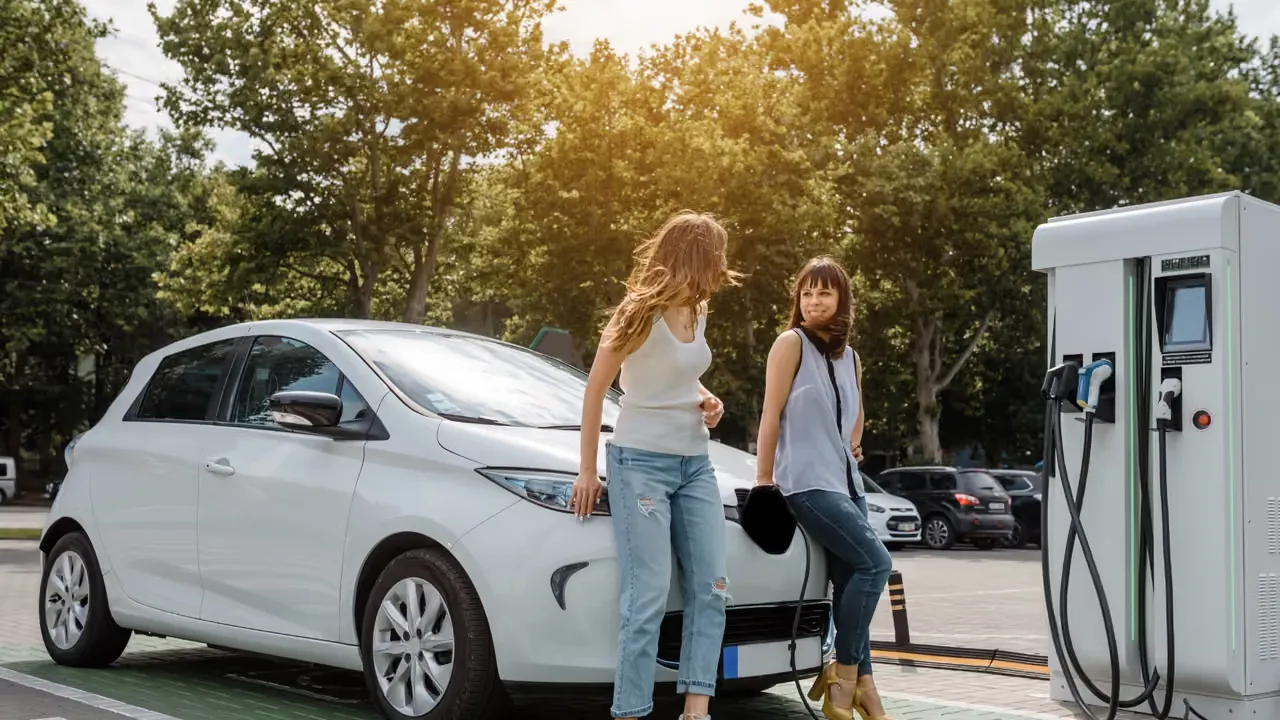
In cities like Amsterdam and Los Angeles, parking lots are being retrofitted with fast chargers, offering drivers a place to recharge while they shop, work, or dine. This evolution requires planners to consider not only the number of chargers but also their placement to ensure ease of access and minimize congestion. The emphasis moves from rapid refueling to convenient, sometimes leisurely, recharging sessions.
Moreover, the design of these hubs often integrates digital management systems, allowing users to reserve spots and monitor charging status via apps. This smart approach optimizes usage and reduces wait times, making EV ownership more practical in dense urban environments.
Redesigning Roads for Electric Mobility and Safety
Electric cars, often quieter and quicker in acceleration, have prompted cities to rethink road design and traffic management. The reduced noise pollution changes the auditory landscape, which can pose new safety challenges for pedestrians and cyclists who rely on hearing approaching vehicles.
To address this, some cities are experimenting with enhanced crosswalk signals, tactile paving, and even auditory alerts synchronized with traffic lights. These measures aim to compensate for the decreased sound of EVs and protect vulnerable road users.
In addition, the rise of electric scooters, bikes, and other micro-mobility options is pushing urban planners to redesign lanes and pathways. Dedicated EV lanes and expanded bike paths improve safety and encourage more sustainable forms of transportation. Road surfaces are also being reconsidered, with materials selected for durability and reduced noise generation, complementing the quietness of electric motors.
Smart Traffic Management
Electric mobility also dovetails with smart city initiatives. Sensors embedded in roads and traffic signals can detect EV presence and adjust traffic flows accordingly. This technology helps reduce congestion and lowers emissions further by optimizing vehicle movement.
Integrating Renewable Energy into Urban EV Infrastructure
Electric cars only fulfill their green promise when powered by clean energy. For this reason, cities are increasingly focusing on linking EV infrastructure with renewable energy sources.
Solar panels atop parking garages and charging stations are becoming more common, providing a self-sustaining source of electricity. In some urban areas, local grids are being upgraded to handle the fluctuating demands of EV charging, often incorporating battery storage systems to balance supply and demand.
Innovations such as vehicle-to-grid (V2G) technology allow electric cars to feed energy back into the grid during peak times, effectively turning them into mobile power plants. This bi-directional flow supports grid stability and maximizes the use of renewables.
Strategic placement of charging stations near renewable energy installations also minimizes transmission losses and reduces the carbon footprint of urban transportation.
Challenges and Opportunities in Retrofitting Existing Cities
While new urban developments can be designed with electric mobility in mind from the start, existing cities face tougher challenges. Retrofitting old infrastructure requires balancing space constraints, historic preservation, and budget limitations.
- Space Scarcity: Narrow streets and dense buildings limit available parking and charging spots, requiring creative solutions like curbside chargers or shared charging facilities.
- Power Grid Limitations: Older electrical systems may struggle to support widespread EV charging without significant upgrades, which can be costly and disruptive.
- Equity Concerns: Ensuring that EV infrastructure investments benefit all neighborhoods, not just affluent areas, is crucial to avoid deepening urban inequalities.
Despite these hurdles, retrofitting offers opportunities to rethink urban spaces holistically. For example, removing gas stations frees up valuable real estate that can be transformed into parks, plazas, or mixed-use developments, enhancing urban livability.
Additionally, integrating EV infrastructure with public transit hubs encourages multimodal travel, reducing reliance on private vehicles altogether. Pilot projects in cities like Oslo and Shenzhen demonstrate how coordinated planning can accelerate the transition to electric mobility while improving urban quality of life.
The shift to electric cars is not merely about swapping engines but about reimagining how cities function. From the ground beneath our wheels to the power that drives them, urban design and infrastructure are evolving to meet the demands of a cleaner, quieter, and smarter transportation future.