
Five Ways EVs Reshape Urban Mobility
Walk through any modern city, and you’ll notice subtle but significant shifts in the way urban spaces accommodate vehicles. The rise of electric cars is not just an environmental milestone; it’s quietly reshaping the very fabric of city design. From changing how parking lots are laid out to influencing traffic flow and redefining public spaces, electric vehicles (EVs) are prompting cities to rethink their approach to mobility and infrastructure.
Redefining Parking From Gas Stations to EV-Optimized Spaces
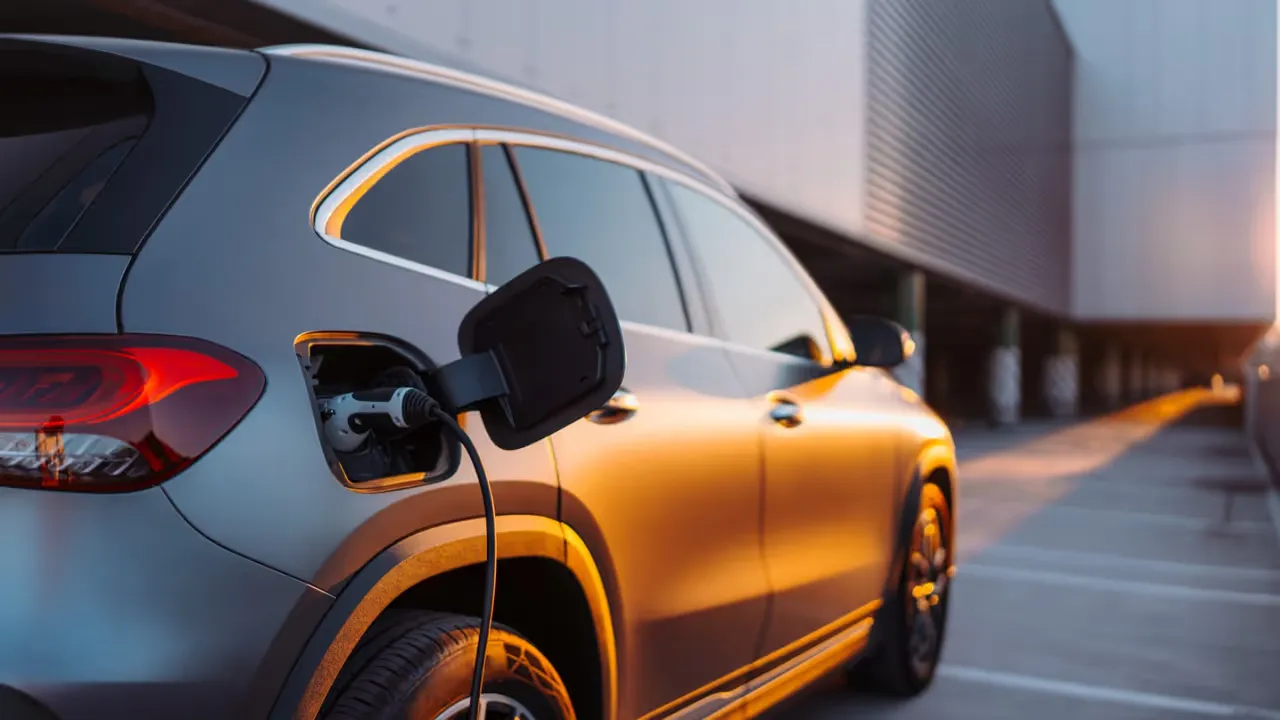
Traditional parking and refueling infrastructure have long been built around the needs of gasoline-powered cars. Gas stations occupy prime real estate, often at busy intersections or along highways, serving as both refuel points and convenience stops. But electric cars don’t need gas stations. Instead, they require charging stations, which can be integrated into parking areas rather than standalone facilities.
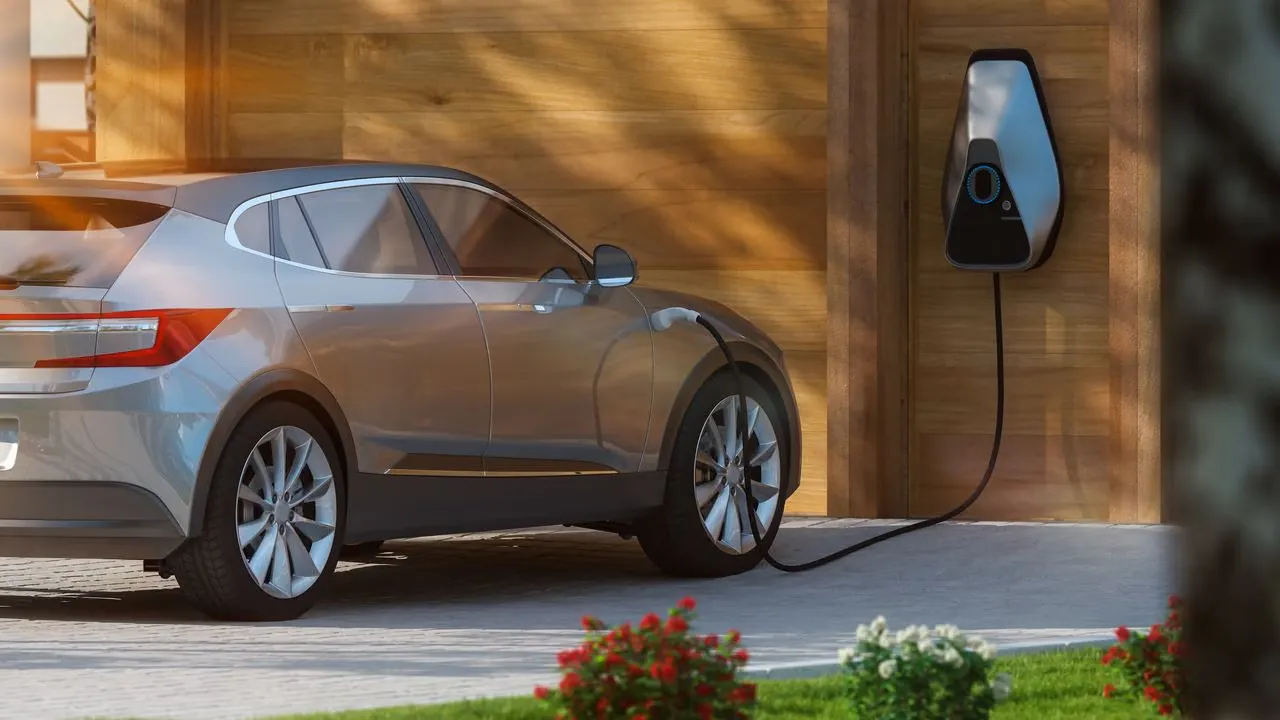
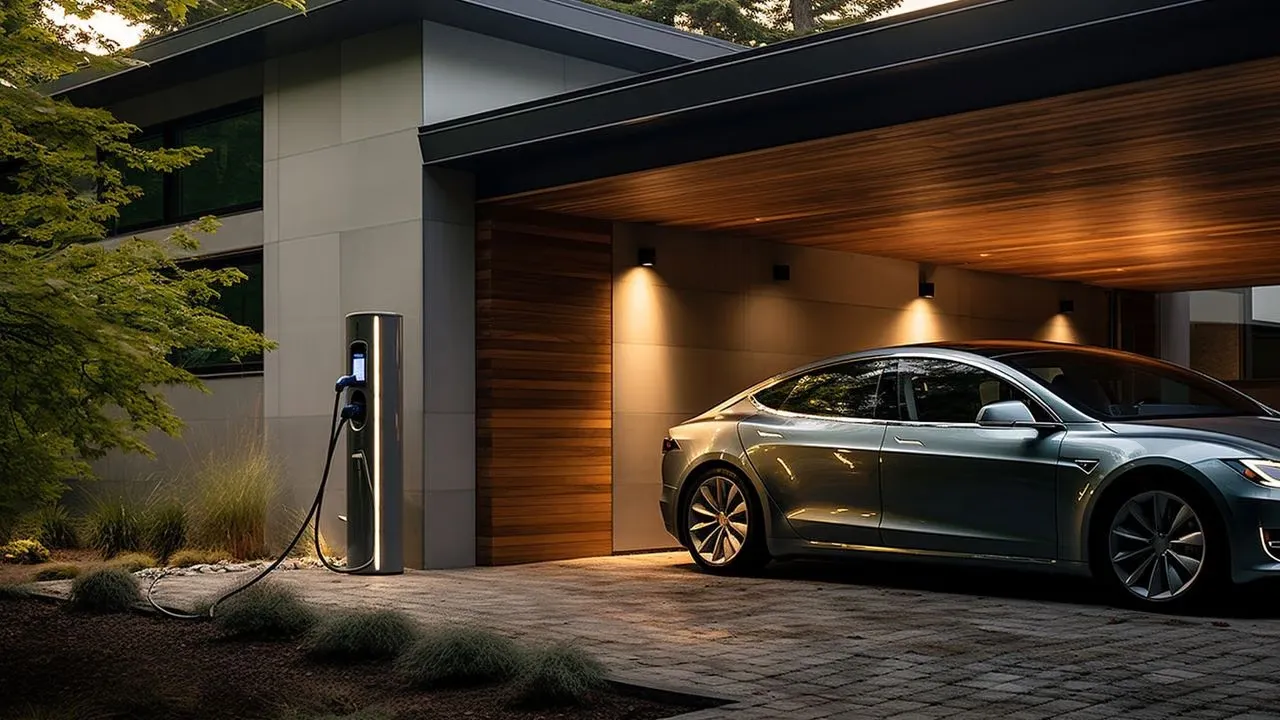
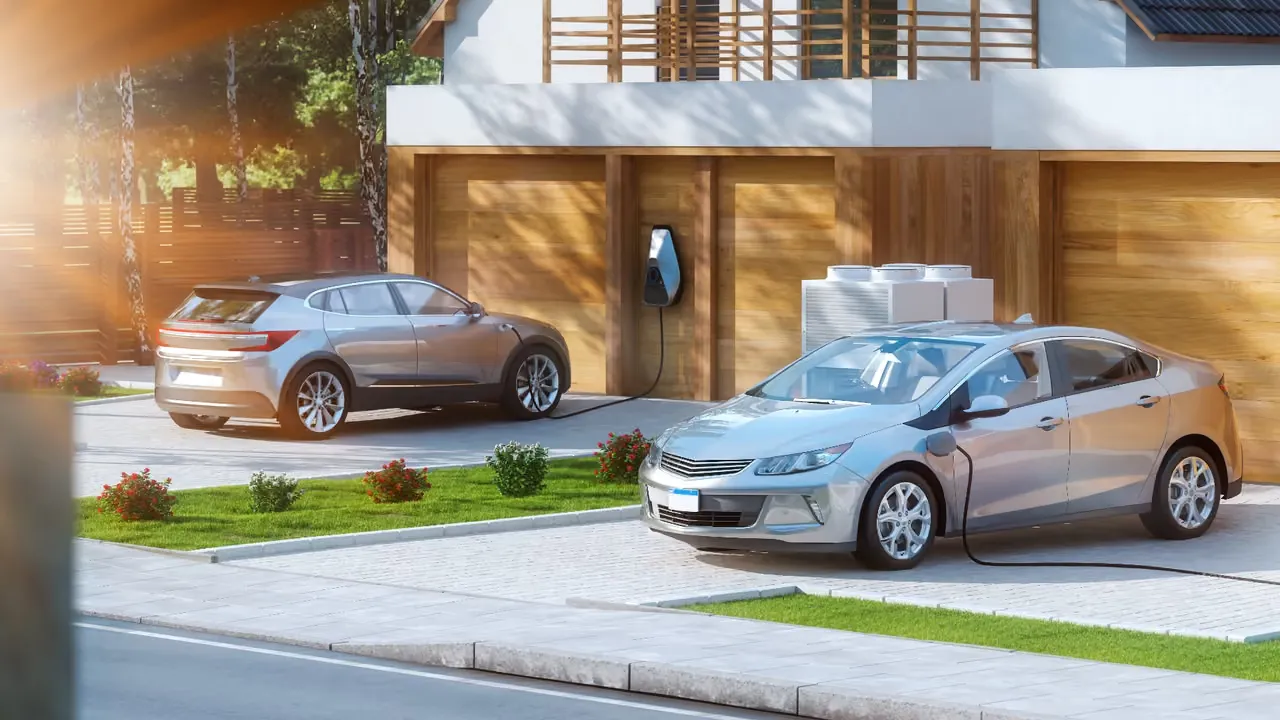
This shift is leading to a transformation in parking design. Parking lots and garages are increasingly equipped with EV chargers, turning spaces into hubs for vehicle recharging. These chargers vary from slow, overnight options to fast chargers that can juice up a car in less than an hour. The presence of charging infrastructure influences the length of time cars remain parked, encouraging longer stays in some areas and quick turnover in others.
Urban planners are seizing this opportunity to rethink parking layouts. Instead of large, sprawling gas stations, cities are moving toward distributed charging points embedded in everyday parking spaces. This means less dedicated land for refueling and more flexibility in how parking areas are used. Some cities are experimenting with dynamic pricing for EV parking spots, prioritizing access for cars actively charging rather than those simply parked.
Impact on Road Usage Increased Efficiency and New Traffic Patterns
Electric cars influence road usage beyond just their quieter engines and lack of tailpipe emissions. Their typically smoother acceleration and the integration of advanced driver-assistance systems (ADAS) can contribute to more efficient traffic flow. Many EVs come equipped with technology that supports features like adaptive cruise control and lane keeping, which can reduce stop-and-go conditions and ease congestion.
Moreover, as EV adoption grows, the demand for certain types of trips changes. For example, drivers may plan routes around charging availability, affecting traffic distribution throughout the day. Unlike gas-powered cars that refuel quickly, EVs require longer charging times, encouraging drivers to combine charging stops with other activities such as shopping or dining.
This behavioral shift can lead to new traffic patterns. Some areas might see reduced peak-hour congestion because EV drivers spread out their trips or pause longer at charging hubs. Others could experience increased activity near fast-charging stations, prompting cities to adapt traffic signals and road layouts to accommodate these emerging hotspots.
Transforming Public Spaces Integrating Charging Infrastructure Seamlessly
One of the most fascinating changes is how electric cars are integrating with public spaces. Charging stations no longer need to be isolated or purely utilitarian. Instead, they’re becoming part of streetscapes, parks, and plazas. Urban designers are incorporating chargers into sidewalks, lamp posts, and benches, making them less of an eyesore and more of a feature.
These integrations do more than just provide power—they encourage social interaction and community use. Imagine a park bench where you can charge your vehicle while enjoying greenery, or a public plaza with charging points surrounded by cafes and shops. Such designs turn charging from a chore into a pleasant experience.
This approach also helps cities maximize limited space. Rather than dedicating large areas solely to vehicle needs, cities blend charging infrastructure with pedestrian-friendly environments. This coexistence supports a more sustainable urban lifestyle, where driving electric cars complements walking, cycling, and public transit.
Future Urban Planning Designing Cities Around Electric Mobility
The influence of electric cars on urban design goes beyond immediate changes. It’s driving long-term planning strategies that envision cities fundamentally shaped by electric mobility. Planners are now considering how to optimize land use, reduce emissions, and improve quality of life with EVs in mind.
- Mixed-use developments are being designed to include ample EV charging integrated with residential, commercial, and recreational spaces.
- Smart grids and energy systems are being developed to support the increased electricity demand and enable vehicle-to-grid technologies, turning parked EVs into energy resources.
- Street design is evolving to prioritize electric micro-mobility options alongside cars, encouraging a shift away from fossil-fueled transportation entirely.
- Regulations are adapting to mandate EV-ready infrastructure in new buildings and retrofitting existing structures to accommodate charging needs.
In essence, cities are no longer just accommodating electric cars—they’re planning for them to be a central element of urban life. This means reimagining everything from curbside management and parking policies to energy distribution and public realm design.