
EV Stations Are Shaping Urban Spaces
What if the humble EV charging station became the new cornerstone of urban life instead of just a roadside necessity? As electric vehicles surge in popularity, cities are scrambling to reimagine how these stations fit into the urban fabric. This isn’t just about plugging in a car; it’s about reshaping streets, parking lots, and neighborhoods into greener, more vibrant community spaces.
The integration of EV charging stations into urban design
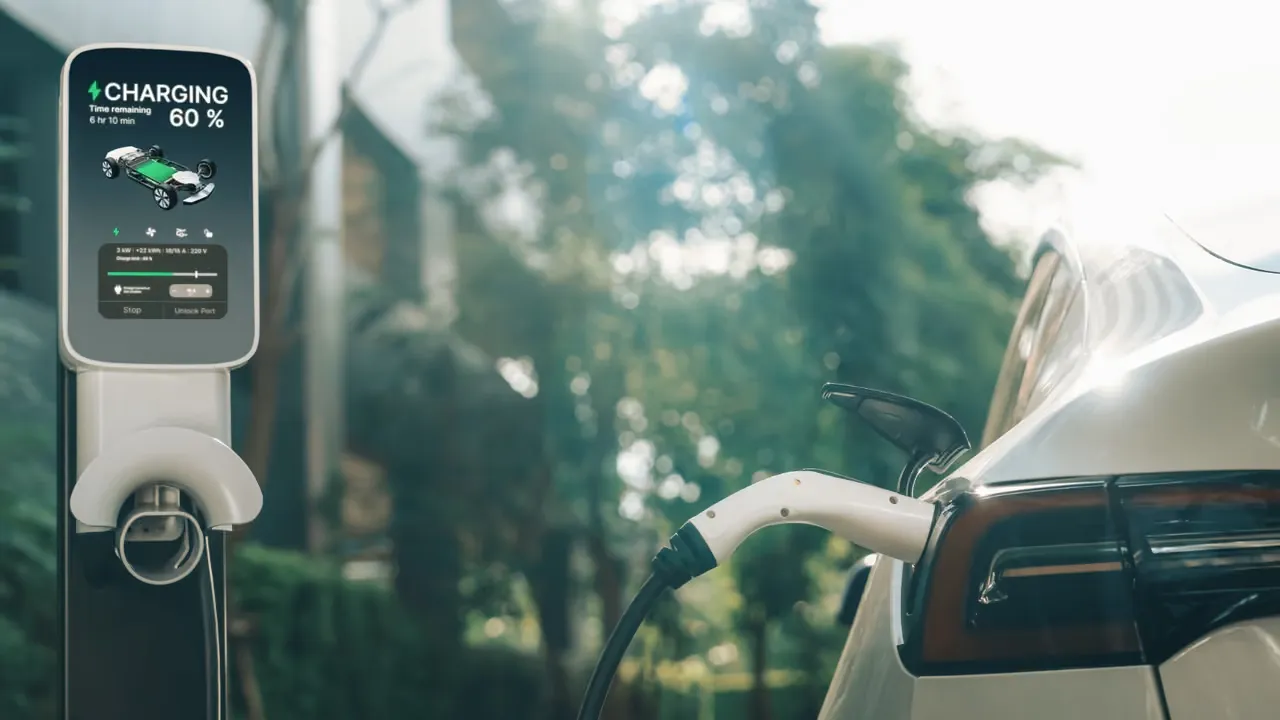
EV charging infrastructure has come a long way from the early days of standalone chargers tucked away in obscure corners. Today, designers and city planners are weaving charging stations directly into the urban landscape. Think beyond the typical curbside charger. Now, these spaces are integrated into sidewalks, parks, and even building facades, blending functionality with aesthetic appeal.
For example, some cities are incorporating solar canopies over EV parking spots, which not only generate clean energy but also provide shade and shelter. Others embed chargers into street furniture—benches, light poles, and kiosks—making the charging experience more intuitive and less intrusive. This seamless integration is crucial because it helps normalize EV charging as a natural part of city life rather than a cumbersome add-on.
Transforming parking lots into multi-use community hubs
Parking lots, once seen as dull, utilitarian spaces, are undergoing a renaissance thanks to EV charging. Rather than just rows of parked cars, these areas are morphing into multi-use hubs that serve both drivers and local communities.
Imagine a parking lot with fast chargers surrounded by green spaces, pop-up markets, and seating areas where people can relax or work while their vehicles power up. Some developers are even adding cafes, art installations, and playgrounds to these charging hubs. This transformation turns a mundane necessity—waiting for your car to charge—into an opportunity for social interaction and community building.
These hubs also serve as catalysts for local businesses. Drivers spending 20 to 40 minutes charging are more likely to grab a coffee, visit a nearby shop, or engage in neighborhood events. This symbiotic relationship between EV infrastructure and community spaces could redefine how urban spaces function.
Challenges and opportunities in retrofitting existing neighborhoods
Not all parts of the city are eager or ready for this EV-driven revolution. Older neighborhoods with narrow streets, limited parking, and outdated electrical grids pose significant challenges for installing modern charging infrastructure.
Retrofitting these areas requires careful balancing acts. Planners must consider the historical character of neighborhoods while upgrading them for the future. Creative solutions are emerging, such as shared community charging points, wireless charging embedded in roads or curbs, and micro-mobility hubs that combine bike, scooter, and EV charging.
One major hurdle is the electrical demand. Many existing grids weren’t designed for the power surge associated with widespread EV charging. Upgrading these systems is costly and disruptive, but it also presents an opportunity to modernize urban infrastructure with smart grid technology and renewable energy integration.
Community engagement is another critical factor. Residents often worry about losing parking or having their streets turned into commercial zones. Successful projects are those that involve locals early on, ensuring the new infrastructure serves their needs and enhances neighborhood life instead of detracting from it.
The future of EV charging as a catalyst for greener more connected cities
Looking ahead, EV charging infrastructure is poised to be more than just a utility—it could become a linchpin in the quest for sustainable, connected urban living. Smart chargers that communicate with vehicles and the grid enable load balancing, reducing strain during peak demand and optimizing energy use.
Moreover, as autonomous vehicles enter the scene, EV charging hubs might evolve into dynamic nodes where cars recharge, get serviced, or even swap batteries without human intervention. This could free up valuable urban space currently dedicated to parking and usher in new forms of mobility and urban interaction.
EV charging also dovetails with broader environmental goals. Incorporating renewable energy sources, like solar and wind, into charging networks helps cities cut emissions and reduce reliance on fossil fuels. The physical design of charging stations can support biodiversity through green roofs and permeable surfaces, contributing to urban resilience.
In this vision, EV charging points are not isolated installations but integral parts of smart city ecosystems—interconnected with public transport, energy management systems, and digital platforms that enhance citizen experience.