
Electric Cars Could Stabilize Power Grids
What if your electric car could do more than just take you from point A to point B? Imagine it also helping to power your home or even your entire neighborhood during peak hours. This is not science fiction—it's the promise of vehicle-to-grid (V2G) technology, an emerging innovation that could reshape how we think about energy and transportation.
What is Vehicle-to-Grid (V2G) Technology?
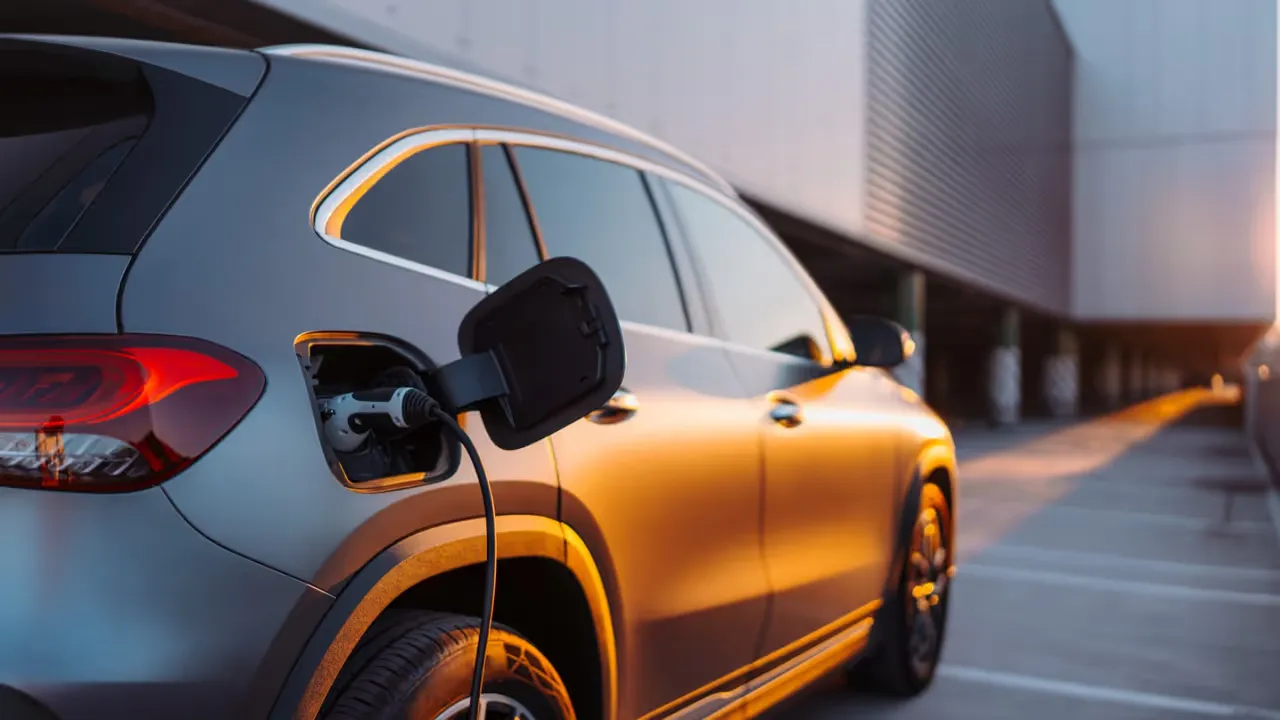
Vehicle-to-grid technology enables electric vehicles (EVs) to communicate with the power grid and send electricity back when it's needed most. Instead of EVs being passive energy consumers, they become active participants in energy management. Essentially, your car’s battery can act as a mobile energy storage system.
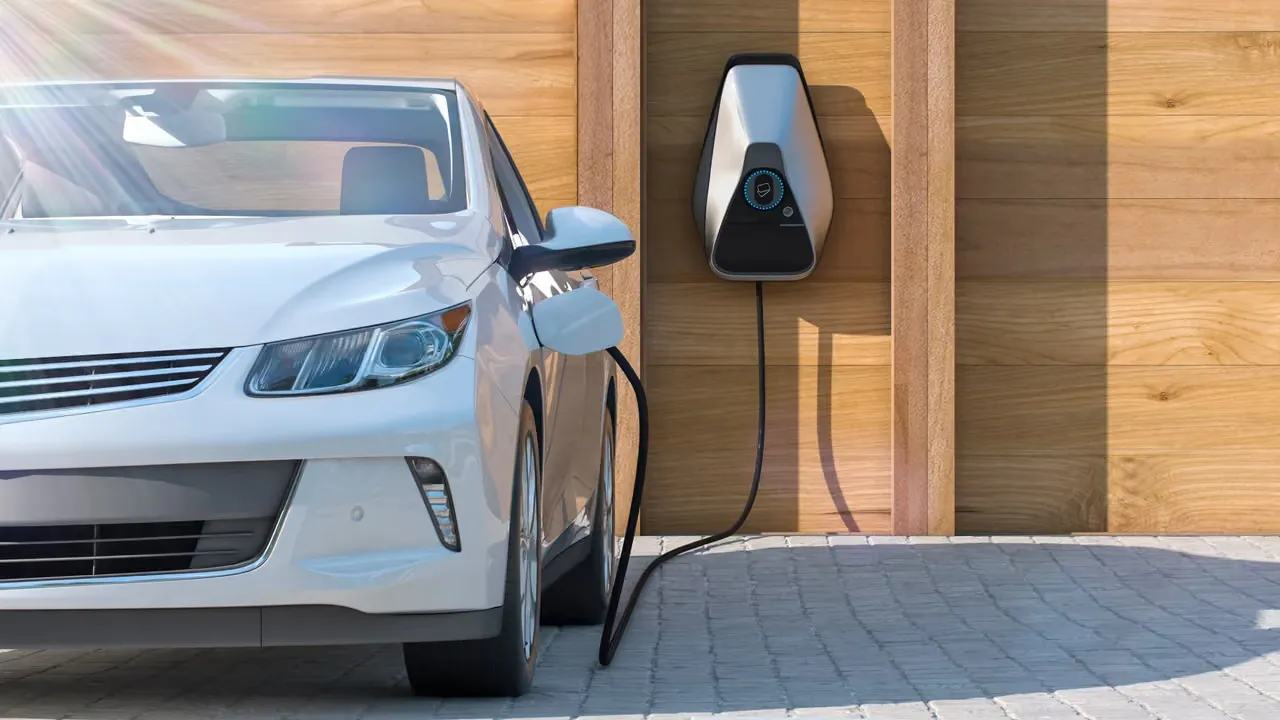
When plugged in, a V2G-enabled EV can draw power to charge its battery during off-peak hours, typically when electricity demand and prices are low. Later, during peak demand periods, the car can discharge electricity back to the grid, helping to balance supply and demand.
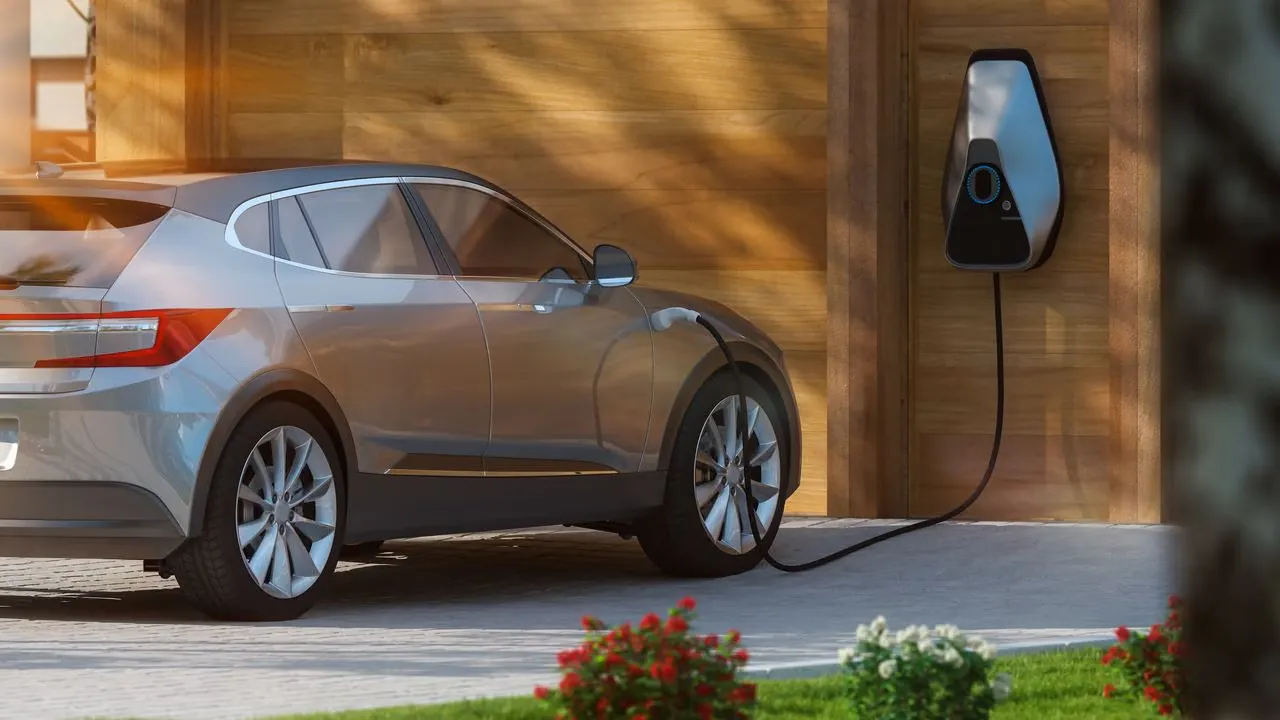
This two-way flow of electricity turns EVs into distributed energy resources, supplementing traditional power plants and renewable energy sources like solar and wind. It’s a smart approach to managing energy that leverages assets already sitting in millions of driveways.
How Electric Cars Can Support Grid Stability
Electric grids face daily challenges: demand fluctuates, renewable sources are intermittent, and infrastructure can be strained. V2G offers a decentralized solution to these problems by tapping into the collective capacity of EV batteries.
- Peak Shaving: During times of high electricity demand, the grid can pull energy from EVs to reduce strain and avoid blackouts.
- Frequency Regulation: V2G systems can provide rapid response to small imbalances in grid frequency, helping maintain power quality.
- Renewable Integration: By storing excess solar or wind power during sunny or windy periods, EVs can feed that energy back when natural generation dips.
This dynamic interaction means the grid becomes more resilient and less dependent on fossil fuel peaker plants, which are expensive and polluting. It’s a shift towards a smarter, cleaner energy system where consumers are also contributors.
Economic Benefits for EV Owners Using V2G
Driving an electric car already saves money on fuel and maintenance, but V2G can unlock additional income streams for owners willing to participate.
- Energy Arbitrage: Owners can charge their cars when electricity is cheap and sell it back during expensive peak hours, offsetting their energy costs.
- Grid Service Payments: Utilities and grid operators often pay for services like frequency regulation or demand response. EV owners can monetize their battery capacity by enrolling in these programs.
- Reduced Infrastructure Costs: By alleviating grid stress, V2G can help reduce the need for costly grid upgrades, indirectly benefiting consumers through lower rates.
Though the financial benefits vary depending on location, electricity market structures, and vehicle usage patterns, early adopters in pilot programs have reported meaningful savings and earnings. It’s an incentive that turns your car into a small power plant on wheels.
Challenges and Future Prospects of V2G Integration
Despite its promise, V2G technology faces hurdles before it becomes mainstream.
- Battery Degradation Concerns: Frequent charging and discharging might accelerate battery wear. However, recent studies suggest that with smart management, the impact can be minimal.
- Infrastructure Requirements: V2G demands compatible chargers and sophisticated communication protocols, which are not yet standard in most EVs or charging stations.
- Regulatory and Market Barriers: Many electricity markets lack the rules and incentives to properly compensate EV owners for grid services.
- User Convenience: Owners may worry about having enough charge for driving needs, especially with unpredictable schedules.
Despite these challenges, automakers, utilities, and governments are investing heavily in V2G research and pilot projects worldwide. As battery technology improves and smart grid systems expand, V2G could become a key pillar of sustainable urban energy ecosystems.
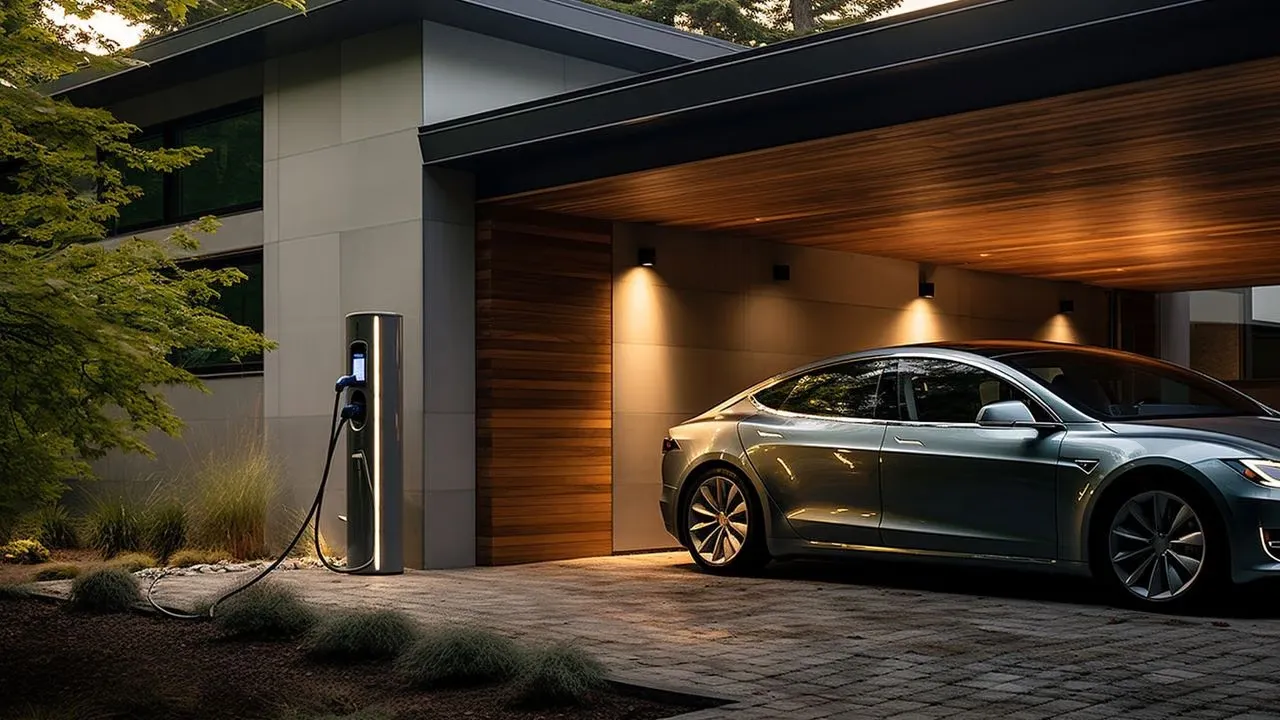
In the near future, your electric car might not just be a mode of transport but a vital component of a decentralized, resilient, and green energy grid—turning every driveway into a potential power hub.