
Can Your EV Charger Think for Itself
It’s no secret that electric vehicles (EVs) are reshaping transportation, but the way we charge them is undergoing a quiet revolution that many drivers may not fully appreciate yet. The rise of smart charging technology is transforming both the efficiency and the convenience of powering up EVs, whether at home or at public stations. This shift is about more than just plugging in; it’s about a smarter interaction between vehicles, users, and the grid.
Understanding smart charging What it is and how it works
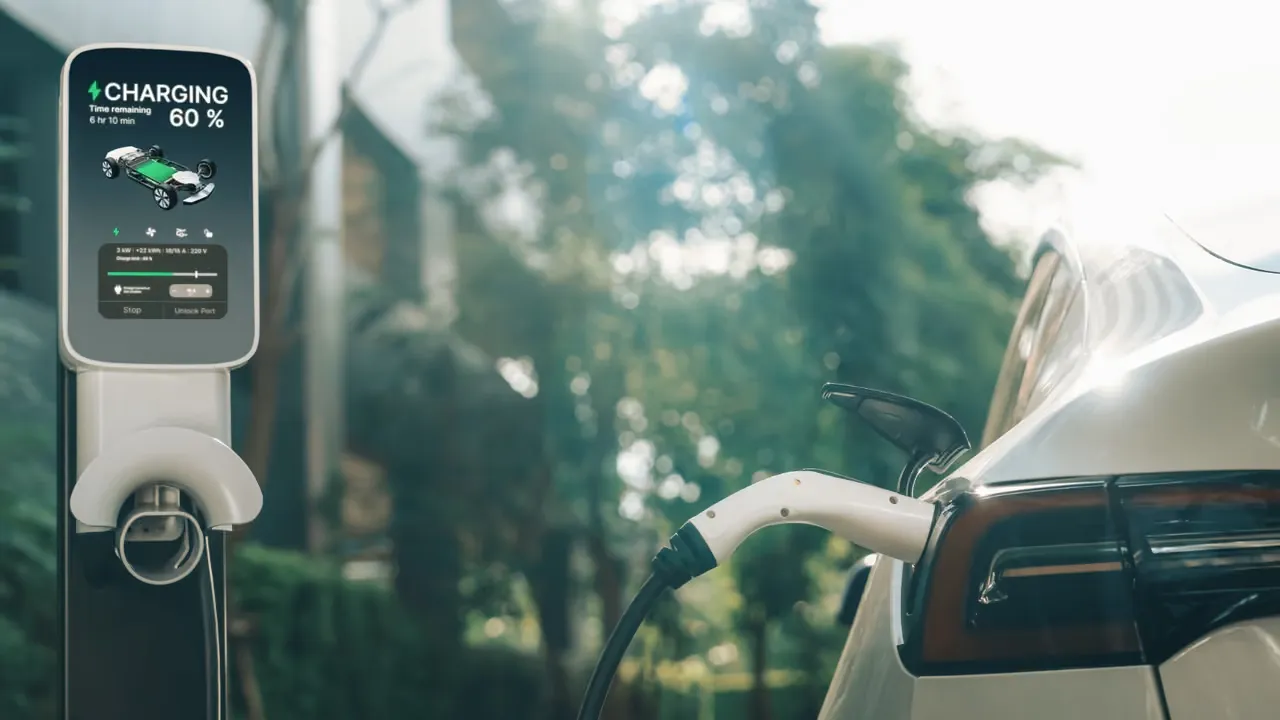
Smart charging refers to EV charging systems equipped with communication capabilities and intelligent management software. Unlike traditional chargers that simply deliver power whenever plugged in, smart chargers actively monitor and control the charging process. They can adjust charging speed, timing, and energy source based on various factors such as electricity rates, grid demand, and user preferences.
At its core, smart charging uses a combination of hardware and software. The charger communicates with the vehicle, the home energy management system, and the grid operator. This two-way communication enables dynamic adjustments. For example, a smart charger can delay charging during peak electricity demand periods or speed up charging when renewable energy sources like solar or wind are abundant.
Benefits of smart charging for EV owners and the grid
For EV owners, smart charging often means lower costs and greater convenience. Charging during off-peak hours when electricity is cheaper can significantly reduce the cost of driving electric. Additionally, smart chargers can integrate with home solar panels or battery storage to maximize the use of clean energy, further lowering energy bills and carbon footprints.
Beyond cost, smart charging improves convenience by allowing users to set charging schedules or remotely control their chargers via smartphone apps. This flexibility helps ensure the vehicle is ready when needed without wasting energy or money.
From the grid’s perspective, smart charging is a game-changer. The growing number of EVs presents challenges for electricity grids, which must handle increased demand without risking overloads or blackouts. Smart charging helps smooth out demand spikes by shifting charging loads to times when the grid is under less stress. This load balancing reduces the need for costly infrastructure upgrades and makes better use of existing power plants and renewable energy resources.
Comparing traditional charging stations with smart chargers
- Traditional charging stations are generally simple devices that provide a steady flow of electricity once a vehicle is connected. They lack communication capabilities and cannot adjust charging patterns based on external conditions.
- Smart chargers incorporate sensors, communication modules, and software that enable real-time control and data exchange. This allows them to:
- Schedule charging times to coincide with low electricity rates or high renewable energy availability.
- Modulate charging power to avoid grid overloads or reduce peak demand charges.
- Provide feedback to users on energy consumption, costs, and environmental impact.
- Integrate with home energy systems, including solar panels and battery storage.
- Enable vehicle-to-grid (V2G) capabilities where EVs can feed electricity back to the grid during peak demand.
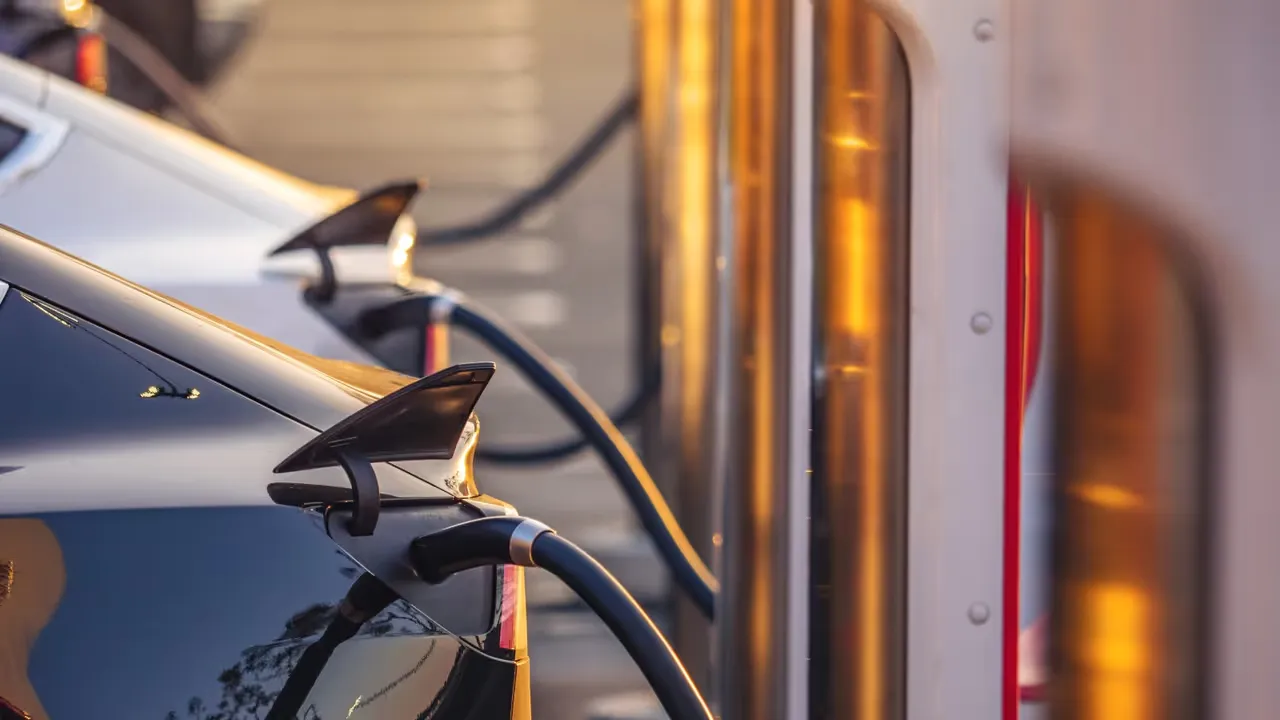
In public charging stations, smart technology also improves the user experience by allowing features like reservation systems, dynamic pricing, and remote monitoring of charger availability and status.
Future trends in smart charging technology and infrastructure
The evolution of smart charging is accelerating alongside advances in EV technology and renewable energy integration. Here are some trends shaping the future:
- Vehicle-to-Grid Integration Smart chargers are increasingly enabling V2G technology, turning EVs into mobile energy storage units. This allows vehicles to supply power back to the grid during peak times, helping balance load and even generating income for owners.
- Artificial Intelligence and Machine Learning Charging systems will become more predictive and adaptive, learning user habits and grid conditions to optimize charging schedules and energy use automatically.
- Enhanced Interoperability Future infrastructure will emphasize standardization, making it easier for EVs to interact with various chargers, grid operators, and energy providers seamlessly.
- Integration with Smart Homes and Cities Smart chargers will be part of broader energy ecosystems, interacting with smart appliances, energy storage, and urban energy management platforms to create more sustainable and efficient communities.
- Faster and More Accessible Charging Advances in charging speeds combined with smart management will reduce wait times and improve the availability of public chargers, encouraging wider EV adoption.